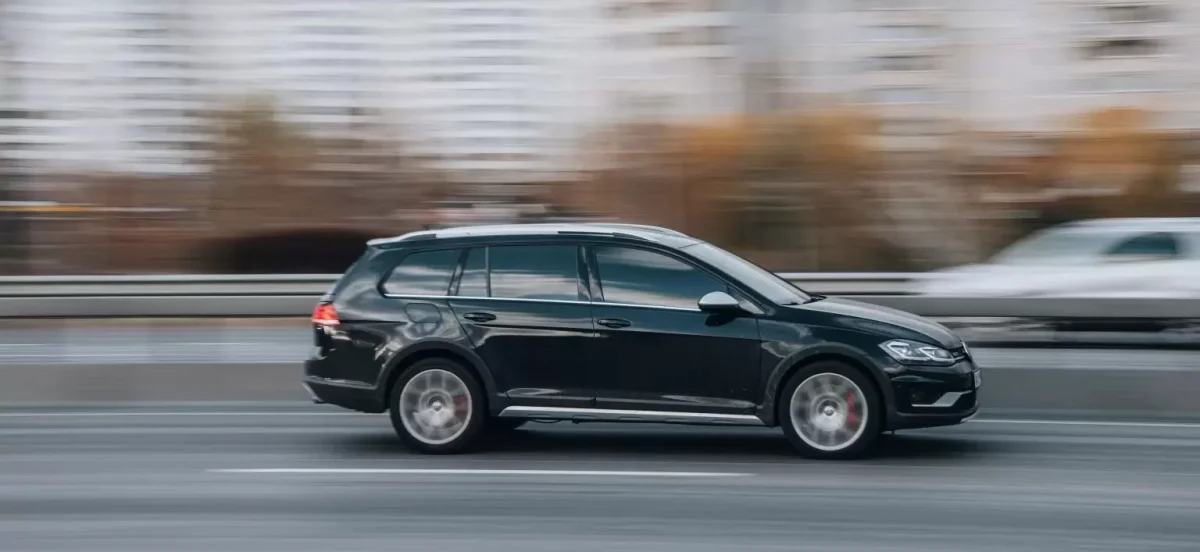
This just came out – Stellantis, the company that owns Jeep, issued a recall and warning to owners of more than 32,000 hybrid Jeep Wrangler SUVs due to a potential fire risk when the vehicle is charging.

Affected are 2021-2024 Jeep Wrangler 4xe SUVs. So far.

First and foremost: Stellantis is advising owners to park outside, away from buildings and not to charge the battery – or even plug it in.

As the SUVs are hybrids, Stellantis says owners may still drive the vehicles but, again, are not to charge them and should “keep them away from structures or buildings.” You would not be alone in noting that the advice is not only conflicting but hardly conducive to normal use and enjoyment of your vehicle.

Stay Informed of Chevy Silverado Recalls

More on the Defect

During a company review of “customer data” – no, we have no idea what that really means - Stellantis discovered that eight Jeep Wrangler SUVs caught fire while parked and turned off.

Six of the SUVs were charging when they caught fire.

Stellantis’ statement: “The vehicles may be driven. However, the company is advising owners to refrain from recharging these hybrid vehicles, and to park them away from structures and other vehicles, until they are remedied.”

The vehicle is the Jeep Wrangler Unlimited 4xe equipped with a 2.0-liter turbocharged inline-four engine that works in conjunction with a motor generator unit integrated into the eight-speed automatic transmission.

In the third quarter of 2023, the Wrangler 4xe was the top-selling plug-in hybrid passenger car in the United States, selling more than the combined sales of Toyota and Lexus PHEVs.

A Tough Year for Jeep

This is the second major recall issued from Jeep in just the last seven months. In March it announced a recall of more than 69,000 of its manual-transmission-equipped Wrangler SUVs and Gladiator pickup trucks over a clutch pressure plate that may overheat.

Affected vehicles were: 2018-23 Wranglers and 2020-23 Gladiators equipped with manual transmissions.

The problem: Friction could cause the clutch pressure plate to overheat and fracture, resulting in cracks or holes in the transmission case. Heated debris could then be released from the damaged transmission bellhousing causing a fire if it came in contact with an ignition source. There is a risk of injury both to vehicle occupants and those nearby.

What to Do If You Think You Have a Lemon

Document everything . . . and call Gayle Law Group PC—your lemon law experts for Californians, based out of LA.

You are the only one who can document what you are going through with your vehicle. You will not get help from the dealership or manufacturer. You must be proactive; ask the dealership for the documentation you are entitled to on every visit.

Get the repair order and invoice every time you take your vehicle in and pick it up. Even if they have not or cannot fix the problem ‘that day,’ ask for the invoice.

Never allow them to leave your ticket “open” while a part is being ordered. Get an invoice then and when the part comes in and the work is done. Remember, every visit counts as a ‘reasonable attempt.’ Again, it’s up to you to get and keep accurate documents.

Gayle Law Group, Your California Lemon Law Firm

We care about every one of our clients and work hard to get impressive results for them. We are as dependent on our vehicles as any Californian – we know how it feels to have a vehicle that won’t operate the way it should.

We pride ourselves on keeping our clients advised every step of the way. You will never be in the dark wondering what’s happening in your case. You’ll know every step of the way.

Our goal is to get you out of your lemon vehicle so you can get a safe and reliable one as quickly as possible. We know how important it is to you, how you are hamstrung without a reliable vehicle.

Contact

Based in Los Angeles and serving all of California, The Gayle Law Group has successfully represented numerous clients throughout the state over the years. Our experience spans across various vehicle-related cases, including those involving cars, electric and hybrid vehicles, trucks, SUVs, motorcycles, RVs, and more. No matter where you reside in California, we are here to provide the necessary legal support.

    Send Us A Message

    Free Consultation - No Legal Fees, Serving all California.

    ======================

    More vehicles are now being sold directly to the public than ever before, in one way or another bypassing the dealership system. Tesla, of course, has always sold their vehicles directly to customers, others are now copying their distribution system. Or at least peeling back the contact customers have with dealers.

    This places more emphasis on contracts and agreements. As a matter of fact, agreements at every stage of the buying process guide the entire transaction.

    Like Tesla, one clause or side agreement – that has become increasingly popular is the arbitration clause – meaning that owners who experience problems must bring claims to an arbitration hearing and not the court system. In California, that means losing some of the protections of our Lemon Law.

    Arbitration Clauses, Opt-Outs

    First, What is Arbitration?

    Arbitration is a private process where a third party renders a decision for the parties. The decision is binding and final. Arbitration is like taking the dispute to a private court, with the arbitrator as judge.

    Arbitration moves faster than litigation. The process is certainly less rigid and the time and place is dictated by the parties, not by the exigencies of a crammed court docket.

    That may look attractive but the reality is that final decision cannot be appealed. Also, there is no jury of your peers to hear your story and make the decision as there would be in court. There are other downsides to binding arbitration, not the least of which could be you’re being forced to attend a hearing nowhere near your home.

    It goes without saying that an arbitrator may apply California Lemon Law differently than a judge in court would. That is a distinct handicap for every consumer.

    The U.S. Senate recently [finally] took note of Tesla’s arbitration policies:

    We are incredibly troubled by Tesla’s reported use of forced arbitration clauses in consumer and employee contracts. Such provisions deny consumers their right to bring cases in court and shield Tesla from public scrutiny and accountability. Several recent reports and lawsuits have described a culture of “severe and pervasive harassment” faced by workers at Tesla, and on February 15, the National Highway Traffic Safety Administration (NHTSA) found Tesla’s Full Self-Driving Beta software could “infringe upon local traffics laws or customs” and increase the vehicle’s crash risk . . . We are deeply concerned that the arbitration agreements you impose on your workers and consumers have kept . . . potential safety flaws from the public eye and limited regulatory authorities’

    Understand, Tesla’s and this new generation of arbitration clauses and agreements mean you will not be able to file a lawsuit even if you discover dangerous, illegal, or life-threatening issues after you buy or lease - even if the vehicle has a deadly defect or you realize the manufacturer has done something illegal, such as engaging in false advertising. The only choice – if you sign the agreement and do nothing else – is to go to arbitration.

    This is not advantageous for the consumer. It certainly is not good for the public; vehicle defect matters that go to arbitration (private) instead of through the court system (public) means there is no way for any of us to get accurate statistics concerning a manufacturer’s quality issues.

    A Possible Solution

    First and most obviously, READ YOUR CONTRACTS. At the very least, flip through and scan every heading. If, as with Tesla, the arbitration clause is in the body of the contract and you therefore have no choice but to sign, note that there is an opt-out clause. The first thing you do after you drive home is follow the opt-out directions to the letter. Keep a copy.

    If the arbitration agreement is separate, as in the image above from Stellantis, don’t sign if you do not have to. If you really believe you aren’t leaving with the new vehicle unless you, follow the opt-out instructions as soon as possible. Keep a copy.

    We strongly believe it is in the best interests of the consumer and the public to opt out of Tesla and Stellantis’s arbitration agreements.

    We Work Hard on Your Behalf

    The Gayle Law Group has represented many Los Angeles residents over the years. We've represented purchasers and lessees of cars, electric and hybrid vehicles, trucks, SUVs, motorcycles, RVs, and more in California. We will help you as well.

    We care about every one of our clients and work hard to get impressive results for them. We are as dependent on our vehicles as any Californian is – we know how it feels to have a vehicle that won’t operate the way it should.

    We pride ourselves on keeping our clients advised every step of the way. You will never be in the dark wondering what’s happening in your case. You’ll know every step of the way.

    Gayle Law Group, Your California Lemon Law Firm

    We care about every one of our clients and work hard to get impressive results for them. We are as dependent on our vehicles as any Californian – we know how it feels to have a vehicle that won’t operate the way it should.

    We pride ourselves on keeping our clients advised every step of the way. You will never be in the dark wondering what’s happening in your case. You’ll know every step of the way.

    Our goal is to get you out of your lemon vehicle so you can get a safe and reliable one as quickly as possible. We know how important it is to you, how you are hamstrung without a reliable vehicle.

    Contact

    Based in Los Angeles and serving all of California, The Gayle Law Group has successfully represented numerous clients throughout the state over the years. Our experience spans across various vehicle-related cases, including those involving cars, electric and hybrid vehicles, trucks, SUVs, motorcycles, RVs, and more. No matter where you reside in California, we are here to provide the necessary legal support.

      Send Us A Message

      Free Consultation - No Legal Fees, Serving all California.

      ======================

      Staying current on Chevy Silverado recalls is important for maintaining your truck's safety and reliability. At Lemon Car Lawyer, we want to provide a comprehensive overview of recent Silverado recalls, common problems, and steps to take if your vehicle is affected.

      Stay Informed of Chevy Silverado Recalls
      Credit : K.A - stock.adobe.com

      Breaking Down Recalls by Model Year

      The Silverado 1500 has seen over 20 total recalls between 2018 to 2023 models. Here is a detailed breakdown of the significant recalls organized by model year:

      2014-2018 Silverado 1500

      • Brake System Recall - Issues with brake vacuum pump, ABS, hydraulic brake boost, and fluid leaks

      2019 Silverado 1500

      • Brake System Recall - Software errors disabling ABS
      • Tire Recall - Improper tire liners lead to air loss
      • Seat Belt Recall - Loose anchor bolts prevent secure restraint

      2020 Silverado 1500

      • Brake System Recall - Brake fluid leak near electronic module poses fire risk
      • Tire Recall - Detaching the inner tire liner causes air loss
      • Airbag Recall - Risk of front airbag inflators exploding

      2021 Silverado 1500

      • Tire Recall - Tire liner adhesion issue causes air loss
      • Seat Belt Recall - A weak bracket can allow the seat belt to loosen
      • Airbag Recall - Risk of front driver airbag inflator explosion

      2022-2023 Silverado 1500

      • Airbag Recall - Front driver airbag inflator may explode
      • Exterior Lighting Recall - Daytime running lights may intermittently fail

      Staying informed on recalls requires regularly checking the NHTSA website as new actions are continuously updated. Promptly address any recalls affecting your specific Silverado's model and year.

      Watch For These Common Silverado Complaints

      In addition to official recalls, Silverado owners commonly report issues like:

      • Transmission Problems - Harsh shifting, slippage, neutral drops on models with 8-speed automatic
      • Excess Oil Consumption - Motors burn through oil quickly between changes
      • Power Steering Failure - Steering loss due to leaking power steering pumps
      • Electrical Issues - Power windows, radio, gauges malfunctioning from electrical faults

      Have any defects documented and addressed by a dealership. California's lemon law may provide options if problems go unresolved after multiple repair attempts.

      What To Do If Your Silverado Is Recalled

      Follow these steps if you receive a Silverado recall notice:

      • Contact your Chevy dealer immediately to schedule the recall repair
      • Stop driving the vehicle if the recall is related to brakes, airbags, or significant components
      • Save all recall notices and related repair documentation
      • Reach out to lemon law experts at Lemon Car Lawyer for advice if problems persist, including if there is no fix for the recall or if parts are not available to perform the recall work on your vehicle

      While common, recalls indicate serious safety issues that require prompt action. Please get in touch with us with any other Silverado recall questions or concerns.

      Gayle Law Group, Your California Lemon Law Firm

      We care about every one of our clients and work hard to get impressive results for them. We are as dependent on our vehicles as any Californian – we know how it feels to have a vehicle that won’t operate the way it should.

      We pride ourselves on keeping our clients advised every step of the way. You will never be in the dark wondering what’s happening in your case. You’ll know every step of the way.

      Our goal is to get you out of your lemon vehicle so you can get a safe and reliable one as quickly as possible. We know how important it is to you, how you are hamstrung without a reliable vehicle.

      Contact

      Based in Los Angeles and serving all of California, The Gayle Law Group has successfully represented numerous clients throughout the state over the years. Our experience spans across various vehicle-related cases, including those involving cars, electric and hybrid vehicles, trucks, SUVs, motorcycles, RVs, and more. No matter where you reside in California, we are here to provide the necessary legal support.

        Send Us A Message

        Free Consultation - No Legal Fees, Serving all California.

        ======================

        We’ve been here before. The National Highway Traffic Safety Administration just recalled 52 million airbags for having faulty inflators. This has happened before and, apparently, there are still many – many – questions about whether or not there is a fix.

        Tesla Arbitration Clause

        What Models are Affected?

        The defective airbags were manufactured by ARC Automotive and Delphi Automotive Systems and installed by twelve car manufacturers in dozens of models produced between 2010 and 2018.

        The manufacturers:

        • BMW
        • Ford
        • General Motors
        • Hyundai
        • Kia
        • Maserati
        • Mercedes-Benz
        • Porsche
        • Stellantis
        • Tesla
        • Toyota
        • Volkswagen

        Some of the affected models:

        • Acura: 2013-2016 ILX; 2013-2014 ILX Hybrid; 2007-2016 RDX.
        • BMW: 2008-2013 1 and 3 Series; 2013-2015 X1; 2007-2013 X5; 2008-2014 X6.
        • Chevrolet: 2007-2013 Avalanche; 2007-2014 Silverado HD & LD; 2007-2014 Suburban & Tahoe.
        • Chrysler: 2005-2015 300.
        • Ferrari: 2010-2015 458 Italia; 2014-2015 458 Speciale; 2015 458 Speciale A; 2012-2015 458 Spider; 2016-2017 488 GTB; 2016-2017 488 Spider; 2015-2017 California T; 2013-2017 F12; 2016-2017 F12 tdf; 2016 F60; 2012-2016 Ferrari FF; 2017 GTC4Lusso.
        • Ford: 2006-2012 Fusion; 2005-2014 Mustang.
        • Honda: 2010-2015 Crosstour; 2011-2015 CR-Z; 2010-2014 FCX Clarity; 2013-2014 Fit EV; 2010-2014 Insight; 2003-2015 Pilot; 2006-2014 Ridgeline
        • Jaguar: 2009-2015 XF.
        • Lexus: 2010-2017 GX460; 2010-2015 IS250C/350C; 2008-2014 IS F.
        • Mercedes-Benz: 2005-2015 C-Class; 2011-2017 E-Class Cabrio; 2010-2017 E-Class Coupe; 2010-2015 GLK-Class; 2011-2015 SLS-Class.
        • Subaru: 2003-2014 Legacy; 2003-2014 Outback; 2006-2014 Tribeca; 2012-2014 WRX/STI. Tesla: 2012-2016 Model S
        • Toyota: 2010-2016 4Runner; 2011-2014 Sienna;
        • Volkswagen: 2009-2017 CC; 2010-2014 Eos; 2010-2014 Golf & Golf R; 2012-2014 Passat; 2017-2018 Tiguan. Jeep: 2007-2016 Wrangler.

        The Problem with the Airbags

        Airbags are designed, of course, to quickly explode on impact. There is, however, a fine line between the precise amount of force needed to protect passengers and too much force that results in great bodily harm to passengers even in what would otherwise be a minor collision.

        The recalled airbags were all designed by ARC (Delphi produces airbags using the ARC design) and may explode far more violently than intended when a vehicle’s airbags are deployed.

        Airbags are inflated by an explosive substance that is compacted into tablets stored in a metal cylinder. When a crash is severe enough, the tablets are supposed to create a controlled explosion that rapidly fills the airbags with gas.

        The National Highway Traffic Safety Administration said it found that ARC’s manufacturing process could leave bits of welding material, known as weld slag, inside the cylinder. When the airbags deploy, the weld slag could clog the exit opening and cause an explosion violent enough to blast shards of metal and plastic into the vehicle’s interior.

        So far, at least seven people have been injured and one killed in seven incidents in the United States as a direct result of the defective airbags.

        “An airbag inflator that fails by rupture not only does not perform its job as a safety device, but instead actively threatens injury or death, even in a crash where the vehicle occupants would otherwise have been unharmed,” the agency said in its announcement.

        Recalls . . . and a Problem

        G.M. has recalled nearly one million vehicles made from 2014 to 2017, saying they were doing so “out of an abundance of caution.”

        ARC, however, has declined to issue a recall, saying it did not believe a defect existed and that in its view NHTSA’s finding was not based on “any objective technical or engineering conclusion.”

        They added – and this should be of great concern to owners of the affected vehicles - that they had completely ruled out weld slag as the cause of several of the incidents noted by the agency, and that they could not definitively prove it to be the cause of the other five.

        Obviously, if they cannot definitively say what is causing the issue they can not fix it.

        Gayle Law Group, Your California Lemon Law Firm

        We care about every one of our clients and work hard to get impressive results for them. We are as dependent on our vehicles as any Californian – we know how it feels to have a vehicle that won’t operate the way it should.

        We pride ourselves on keeping our clients advised every step of the way. You will never be in the dark wondering what’s happening in your case. You’ll know every step of the way.

        Our goal is to get you out of your lemon vehicle so you can get a safe and reliable one as quickly as possible. We know how important it is to you, how you are hamstrung without a reliable vehicle.

        Contact

        Based in Los Angeles and serving all of California, The Gayle Law Group has successfully represented numerous clients throughout the state over the years. Our experience spans across various vehicle-related cases, including those involving cars, electric and hybrid vehicles, trucks, SUVs, motorcycles, RVs, and more. No matter where you reside in California, we are here to provide the necessary legal support.

          Send Us A Message

          Free Consultation - No Legal Fees, Serving all California.

          ======================

          Over 1.5 Million Vehicles Recalled in July

          In July 2023, 11 automotive manufacturers recalled 1,569,080 vehicles across 67 different models in the United States. According to data from the National Highway Traffic Safety Administration, numerous safety recalls were issued, impacting popular models from major brands. Vehicle owners should check if their car is included in these large-scale recalls issued last month.


          VEHICLE YEARS UNITS DEFECT
          BMW X5 sDrive40i,X5 xDrive40i, X5 2024 1,900 Knee Air Bag Manufactured Incorrectly
          Ford F150,Escape,Super Duty F-250, 2021-2023 38,695 Instrument Panel may Fail to Illuminate.
          Toyota Corolla Cross Hybird,Highland- 2023-2024 110,047 Crankshaft Position Sensor Failure.Engine May Shut Down
          Toyota RAV4 Prime and Lexus NX450h+ 2021-2022 43,442 Unintended Vechicle Movement from Brake Fluid Leak.
          Mazda Mazda3,cx-3 2014-2021 227,335 Rearview image May Not Display Properly


          ======================

          "If you want a Tesla, you are forced to sign a contract with an arbitration provision, but there is a way out."

          Tesla is not just another car manufacturer. They stand apart because they sell their vehicles – all their vehicles – directly to customers completely foregoing the dealership system. Direct sales means that Tesla and the buyer’s relationship is very much arm’s length. It’s guided by a series of agreements at every stage of the buying process.

          One clause requires all Tesla owners who experience problems to bring their claims to arbitration and not the court system.

          Tesla Arbitration Clause

          First, What is Arbitration?

          Arbitration is a private process where a third party renders a decision for the parties. The decision is binding and final. Arbitration is like taking the dispute to a private court, with the arbitrator as judge.

          Arbitration moves faster than litigation. The process is certainly less rigid and the time and place is dictated by the parties, not by the exigencies of a crammed court docket. That may look attractive but the reality is that final decision cannot be appealed. Also, there is no jury of your peers to hear your story and make the decision as there would be in court.There are other downsides to binding arbitration, not the least of which could be you’re being forced to attend a hearing nowhere near your home.

          It goes without saying that the California Lemon Law does not apply in a private arbitration hearing. That is a distinct handicap for every consumer.

          The U.S. Senate recently [finally] took note of Tesla’s arbitration policies:

          We are incredibly troubled by Tesla’s reported use of forced arbitration clauses in consumer and employee contracts. Such provisions deny consumers their right to bring cases in court and shield Tesla from public scrutiny and accountability. Several recent reports and lawsuits have described a culture of “severe and pervasive harassment” faced by workers at Tesla, and on February 15, the National Highway Traffic Safety Administration (NHTSA) found Tesla’s Full Self-Driving Beta software could “infringe upon local traffics laws or customs” and increase the vehicle’s crash risk . . . We are deeply concerned that the arbitration agreements you impose on your workers and consumers have kept . . . potential safety flaws from the public eye and limited regulatory authorities’

          Understand, the Tesla arbitration clause means that you will not be able to file a lawsuit even if you discover dangerous, illegal, or life-threatening issues after you buy or lease - even if the Tesla has a deadly defect or you realize the manufacturer has done something illegal, such as engaging in false advertising. The only choice – if you sign the agreement and do nothing else – is to go to arbitration.

          This is not advantageous for the consumer. It certainly is not good for the public, with Tesla matters going to arbitration (private) instead of through the court system (public) there is simply no way for any of us to get accurate statistics concerning Telsa quality issues.

          A Possible Solution

          Luckily, it’s in the contract that you may opt out of the arbitration clause:

          “You may opt out of arbitration within 30 days after signing this Agreement by sending a letter to: Tesla, Inc.; P.O. Box 15430; Fremont, CA 94539-7970, stating your name, Vehicle Identification Number, and intent to opt out of the arbitration provision. If you do not opt out, this agreement to arbitrate overrides any different arbitration agreement between us, including any arbitration agreement in a lease or finance contract.”

          While this seems simple, there is a ‘hitch’ – some Tesla customers sign the purchase agreement on-line well before the vehicle is delivered. That means they may not have the VIN, which is necessary (see above) to opt out.

          We strongly believe it is in the best interests of the consumer and the public to opt out of Tesla’s arbitration agreement.

          Gayle Law Group, Your California Lemon Law Firm

          We care about every one of our clients and work hard to get impressive results for them. We are as dependent on our vehicles as any Californian – we know how it feels to have a vehicle that won’t operate the way it should.

          We pride ourselves on keeping our clients advised every step of the way. You will never be in the dark wondering what’s happening in your case. You’ll know every step of the way.

          Our goal is to get you out of your lemon vehicle so you can get a safe and reliable one as quickly as possible. We know how important it is to you, how you are hamstrung without a reliable vehicle.

          Contact

          Based in Los Angeles and serving all of California, The Gayle Law Group has successfully represented numerous clients throughout the state over the years. Our experience spans across various vehicle-related cases, including those involving cars, electric and hybrid vehicles, trucks, SUVs, motorcycles, RVs, and more. No matter where you reside in California, we are here to provide the necessary legal support.

            Send Us A Message

            Free Consultation - No Legal Fees, Serving all California.

            ======================

            If you think you’ve seen this story before, you have. Unfortunately, this is not a repeat: General Motors (GM) just recalled nearly 1 million SUVs due to a potential, serious, airbag defect.

            The Future Will Be Here Early
            Credit : Mike Mareen - stock.adobe.com

            The airbag defect affects the following 2020 and 2021 General Motors model vehicles:


            • Cadillac Escalade
            • Cadillac Escalade ESV
            • Cadillac CT4
            • Cadillac CT5
            • Cadillac XT4
            • Chevrolet Silverado
            • Chevrolet Suburban
            • Chevrolet Tahoe
            • GMC Sierra
            • GMC Yukon
            • GMC Yukon XL

            2014 - 2017 General Motors Model Vehicles

            • 2014-2017 Buick Enclave
            • 2014-2017 Chevrolet Traverse
            • 2014-2017 GMC Acadia

            Please note, there are reasons to suspect that additional GM are affected as well, Gayle Law Group will update as new information comes in.

            The Problem with the Airbags

            As in past airbag recalls, the issue is that the airbags in these vehicles may deploy unexpectedly possibly causing severe injury or death. Each has a front-driver airbag module with an ARC inflator installed as original equipment. The driver's airbag inflator may explode during deployment, due to a manufacturing defect.

            The explosion can result in flying metal fragments which can potentially injure or, in extreme cases, kill vehicle occupants.

            The Recall

            Owners of the affected vehicles are to be notified by letter starting June 25, but no fix is available yet. Let’s reiterate that: there is no current fix for this issue. If and when there is, GM will send another letter when a remedy is available. In the meantime, GM says it will offer “courtesy transportation” on a case-by-case basis to owners who fear driving vehicles that are part of the recall.

            It's important to note that the GM recall is part of a much larger request from NHTSA that the inflator manufacturer recall 67 million airbag inflators because of the risk that they may explode. ARC denied the request and the matter is most likely headed to court.

            ARC airbag inflators are also found in vehicles manufactured by Stellantis, BMW, and Hyundai Motor Group, Chrysler, Kia, and Volkswagen.

            Also note that it not only appears that GM was aware of this issue long before it issued the recall, but they also argued against the recall claiming the airbag inflators are safe. They finally gave in late May, the recall will reportedly cost General Motors an estimated $1.2 Billion.

            What to Do Now

            There is no current fix for this issue. For many GM (and other makes) owners, this is not the first time they have gone through similar issues and recalls. Regardless, call Gayle Law Group as soon as possible. You may well be able to seek recourse under the California Lemon Law.

            What is California Lemon Law?

            The Lemon Law is the California legislation put into place in 1970 to protect motor vehicle owners when their cars and trucks are defective – when they are "lemons."

            The California Lemon Law applies to cars, trucks, vans, SUVs, RVs, motorcycles, some business-owned vehicles, and boats. For the most part, the car must be under warranty. (The vehicle might qualify out of warranty if it had an ongoing problem that required it to be in the shop several times before the warranty expiration).

            It applies to purchased or leased new vehicles. It also pertains to used cars certified pre-owned and still under a manufacturer's warranty.

            In other words, your vehicle is considered a lemon if the defects substantially affect its use, safety, or value, and an authorized repair facility cannot fix the issues within a reasonable number of repair attempts.

            About the Warranty Requirement

            The vehicle must be under a manufacturer's warranty to be eligible for relief. Although there is always some confusion over this requirement., cars, trucks, and the powertrain portions of motorhomes are covered by the Lemon Law if:

            • The vehicle is new, used, pre-owned, or certified.
            • You bought or leased it.
            • When you bought or leased the vehicle, it was covered by the manufacturer's warranty (or portion of) or a manufacturer's extended warranty.
            • The vehicle might qualify out of warranty if it had an ongoing problem that required it to be in the shop several times before the warranty expired.
            • The manufacturer has had a reasonable number of opportunities to repair the defect.
            • Or the vehicle has been in ‘the shop’ for thirty or more days, cumulatively.

            What to Do If You Think You Have a Lemon

            Document everything . . . and reach out to Gayle Law Group PC, your dedicated lemon law firm based out of Los Angeles.

            You are the only one who can document what you are going through with your vehicle. You will not get help from the dealership or manufacturer. You must be proactive; ask the dealership for the documentation you are entitled to at every visit.

            Get the repair order and invoice every time you take your vehicle in and pick it up. Even if they have not or cannot fix the problem ‘that day,’ ask for the invoice.

            Never allow them to leave your ticket “open” while a part is being ordered. Get an invoice then and when the part comes in and the work is done. Remember, every visit counts as a ‘reasonable attempt.’ Again, it’s up to you to get and keep accurate documents.

            Gayle Law Group, Your California Lemon Law Firm

            We care about every one of our clients and work hard to get impressive results for them. We are as dependent on our vehicles as any Californian – we know how it feels to have a vehicle that won’t operate the way it should.

            We pride ourselves on keeping our clients advised every step of the way. You will never be in the dark wondering what’s happening in your case. You’ll know every step of the way.

            Our goal is to get you out of your lemon vehicle so you can get a safe and reliable one as quickly as possible. We know how important it is to you, how you are hamstrung without a reliable vehicle.

            Contact

            Based in Los Angeles and serving all of California, The Gayle Law Group has successfully represented numerous clients throughout the state over the years. Our experience spans across various vehicle-related cases, including those involving cars, electric and hybrid vehicles, trucks, SUVs, motorcycles, RVs, and more. No matter where you reside in California, we are here to provide the necessary legal support.
              Send Us A Message

              Free Consultation - No Legal Fees, Serving all California.

              ======================

              In mid-2023, Ford announced a recall that sent shockwaves across the automobile industry. This affected a staggering 48,924 Mustang Mach-E electric vehicles, all due to a severe malfunction that could prevent the cars from starting altogether, or worse, potentially lead to power loss while driving.

              New Defects Same as the Old Defects

              Ford, in a bid to address this challenging situation, rolled out an over-the-air (OTA) software update targeted at the Secondary On-Board Diagnostic Control Module (SOBDMC) and Battery Energy Control Module (BECM) software. The recall, fortunately, has not been linked to any injuries or accidents, and there are no ongoing investigations by the National Highway Traffic Safety Administration (NHTSA). Owners of the affected Ford Mustang vehicles were duly notified via mail, and the recall is officially recognized by the NHSTA campaign number 22V412.

              Unraveling the Cause Behind the Ford Mustang Mach-E Recall

              The recall of the Ford Mustang Mach-E primarily stems from an issue with the battery contactor. This switch plays a pivotal role in controlling the power flow from the battery to various vehicle components.

              During instances of rapid acceleration or DC fast charging, known as "wide-open pedal events," the battery contactor is prone to overheating. This overheating can force the contactor to remain in an open position, resulting in power loss while the vehicle is operational and increasing the risk of accidents.

              Identifying if Your Mustang is Affected

              To ascertain whether your Mustang Mach-E is part of the recall, there are some tell-tale signs to watch out for. You might notice your vehicle failing to start or losing power while in motion.

              If the battery contactor overheats and remains open, a powertrain malfunction warning light may appear on your dashboard. Furthermore, the gauge cluster located behind the steering wheel will display a critical message, specifically "Stop Safely Now," indicating an urgent need to bring the vehicle to a halt.

              To confirm any recalls specific to your Mustang, you can enter your car's 17-digit vehicle identification number (VIN) on NHTSA's website.

              The Makes Affected by the Ford Mach-E Recall

              This recall pertains to 2022 Ford Mustang Mach-E Electric vehicles.

              Deciding on a Lemon Law Claim

              Choosing to file a Lemon Law claim is a crucial decision and involves careful deliberation. If you have consistently been dealing with significant unresolved issues with your Ford Mustang Mach-E, a Lemon Law claim could afford potential remedies under the California Lemon Law.

              In California, if your vehicle is determined to be a lemon, you might be entitled to various remedies, such as a refund of the purchase price or monthly payments, cash compensation for the diminished value of the vehicle, or a replacement vehicle.

              It's advisable to consult a seasoned Lemon Law attorney to guide you through the California Lemon Law process and enhance your chances of success. They can evaluate your case strength, guide you through the legal proceedings, and help you understand the specific remedies available under the California Lemon Law.

              What Are Your Options?

              To determine the best course of action under your unique circumstances, it's recommended to consult with an attorney specializing in the Lemon Law. Such an expert can thoroughly examine your case details, provide personalized advice, and guide you through your available options based on your specific circumstances and applicable laws in your jurisdiction.

              If you are dealing with recurring battery or engine issues with your Ford vehicle, you might want to consider pursuing an individual lemon law claim instead of participating in a class-action settlement. This gives you more direct control over the legal proceedings and increases your chances of obtaining the compensation and resolution you rightfully deserve for your problematic vehicle.

              In California, the Lemon Law Lawyer offers a range of services aimed at helping consumers fight for justice and secure rightful compensation against powerful manufacturers. You can contact our team for a complimentary and no-obligation consultation to discuss your case in detail today.

              Gayle Law Group, Your California Lemon Law Firm

              We care about every one of our clients and work hard to get impressive results for them. We are as dependent on our vehicles as any Californian – we know how it feels to have a vehicle that won’t operate the way it should.

              We pride ourselves on keeping our clients advised every step of the way. You will never be in the dark wondering what’s happening in your case. You’ll know every step of the way.

              Our goal is to get you out of your lemon vehicle so you can get a safe and reliable one as quickly as possible. We know how important it is to you, how you are hamstrung without a reliable vehicle.

              Contact

              Based in Los Angeles and serving all of California, The Gayle Law Group has successfully represented numerous clients throughout the state over the years. Our experience spans across various vehicle-related cases, including those involving cars, electric and hybrid vehicles, trucks, SUVs, motorcycles, RVs, and more. No matter where you reside in California, we are here to provide the necessary legal support.

                Send Us A Message

                Free Consultation - No Legal Fees, Serving all California.

                ======================

                You’ve probably already heard that California has passed a measure to ban the sale of all gas-powered autos by 2035. Hybrid cars sales are, so far, exempt. To say this raises several issues is to grossly underestimate the impact the announcement has had across the country.

                The Future Will Be Here Early

                The New Rules

                It is a fairly simple rule with enormously complex consequences. If an auto manufacturer wants to sell in the largest car market in the United States in 2026, 35% of their passenger car and light truck sales must be electric vehicles. (Right now it’s 16%).

                In 2030, it’s 68%, 100% by 2035.

                Manufacturers who fail to comply will face a $20,000 fine for every new vehicle sold in violation of the targets. That’s steep, far more than the average profit margin on a car sale, and California has the well-earned reputation of enforcing fines.

                What California Does . . .

                Californians buy more new vehicles a year than any other state. Our environmental and safety regulations already affect the industry, we’re simply too big a market to ignore.

                Whenever we enact a regulation like this, ten to twelve other states almost automatically follow our lead. When this happens – as it surely will now – the states that join us account for over a third of all new car sales in the country each year.

                The auto industry has no choice but to react. In this case, it appears that the major manufacturers are almost eager to do so.

                Ford and Tesla have long waiting lists for electric vehicles. Despite its problems, the wait for a Chevy Bolt is at least a year. According to Consumer Reports, demand is also on the rise with over 14% of Americans saying they will definitely buy or lease an electric vehicle for their next purchase. Another 22% are seriously considering it.

                The market is there and the auto industry can’t make cars fast enough to satisfy it.

                Issues Stand in the Way

                There are many serious issues that need to be overcome to make this a reality. Every one of those issues is comprised of hundreds of other, less serious, issues.

                As you might suspect, ‘infrastructure’ is a major issue. There are too few charging stations across the state and the nation. Far too many that are in place aren’t reliable.

                Batteries. We’ve written a lot over the last months about serious issues with batteries, mostly revolving around fire hazards with the manufacturers unable to find a fix. Another problem - right now, batteries are more expensive than combustion engines. That is one of the factors in the high price of most electric vehicles.

                Electric vehicles must be at least as affordable as the average gas-powered car for this to work.

                As we were writing this there was a major technological breakthrough -  news as we were writing this, news that answered a major concern – government researchers announced that they have found a way to charge electric car batteries up to 90 percent in just 10 minutes. That’s faster than your iPhone charges.  Drivers have always been concerned on how to keep their electric vehicles charged for a long trip (right now the average range for an electric vehicle on one battery charge is 200 miles). This news may have solved it.

                There will be other problems along the way. There will still be sales of gas-powered cars for years.  There will be technologic advances that present more and issues. There will be recalls and defects. Most importantly, the California Lemon Law will be just as effective then as it is now.

                Lemon Law and Electric Vehicles

                A concern we have is that the manufacturers – already swamped with orders – may move too quickly, adapt technology that hasn’t been proven, push production. That would, of course, result in defects which would undoubtedly result in recalls which would overwhelm the ability of manufacturers to fix them.

                The thing about electric vehicles is that while they look simpler than gas-powered vehicles they emphatically are not. It’s often pointed out that while gas powered vehicles have over 2,000 moving parts, electric vehicles have less than 20.

                That’s true but it does not translate into fewer problems. The fact is, because the systems in electric vehicles are so integrated aside a flat tire, most problems will have widespread and lasting implications.

                New Defects Same as the Old Defects

                With apologies to The Who, the theme over the next thirteen years will, from a Lemon Law viewpoint, be ‘meet the new defects, same as the old defects.’

                We are going to see what we see now:

                • Automatic Emergency Braking.  We have heard of many instances when the braking system in electric vehicles stopped the cars in the middle of the street, with no other cars around.
                • Automatic Backup Automation. We also have seen several instances when electric vehicles stopped when backing up when there was no obstacle or oncoming car.
                • Battery Failure. It’s self-explanatory, when the battery fails – hopefully not on the highway – the vehicle is useless.  When the battery fails on a hybrid it defeats the whole reason you went eco-friendly in the first place.
                • Braking System. The braking system in electric vehicles serve two purposes: to slow the car and to charge the batteries. Issues with these ‘regenerative braking systems’ are serious for obvious reasons.
                • Computer issues. All vehicles are reliant on computers but none more so than electric and hybrids. There is no such thing as a ‘simple’ computer problem.
                • Electrical System Malfunctions. It takes a vast network of sensitive electronics to keep electric vehicles running properly. The system is integrated and a defect in one spot can and probably will affect the vehicles overall performance.

                Gayle Law Group, Your California Lemon Law Firm

                We care about every one of our clients and work hard to get impressive results for them. We are as dependent on our vehicles as any Californian – we know how it feels to have a vehicle that won’t operate the way it should.

                We pride ourselves on keeping our clients advised every step of the way. You will never be in the dark wondering what’s happening in your case. You’ll know every step of the way.

                Our goal is to get you out of your lemon vehicle so you can get a safe and reliable one as quickly as possible. We know how important it is to you, how you are hamstrung without a reliable vehicle.

                Contact

                Based in Los Angeles and serving all of California, The Gayle Law Group has successfully represented numerous clients throughout the state over the years. Our experience spans across various vehicle-related cases, including those involving cars, electric and hybrid vehicles, trucks, SUVs, motorcycles, RVs, and more. No matter where you reside in California, we are here to provide the necessary legal support.

                  Send Us A Message

                  Free Consultation - No Legal Fees, Serving all California.

                  ======================

                  “It’s sitting outside my home like a firebomb.”

                  “It’s unnerving at the very least. How can we possibly put a car in our garage that might catch on fire? I don’t feel secure parking a car outside given our tree coverage.”

                  These are real car owners responding to the battery issues with 2017-2022 Chevrolet Bolts.

                  "Issues" is probably not the right word – the batteries on these vehicles can spontaneously combust. It’s that simple – these vehicles, all with batteries manufactured by LG, can catch fire while parked. Recalls have been issued. There is a fix but there’s also a problem – the supply chain issues so much in the news over the last six months, has slowed the availability of ‘the fix’ to a crawl. GM has been – slowly – replacing batteries on older models first. There’s no timetable for full battery replacements for all the vehicles effected. To every Bolt owner in line, GM’s advice is to follow three steps, which should keep the cars safe until that future date when it’s their turn to get a new battery:


                  • Only charge the car to 90%.
                  • Try not to deplete the battery below ‘at least a 70-mile range.
                  • Do not park the car in your garage or charge it overnight.

                  If that doesn’t seem realistic, it’s because it’s not. A Bolt owner in Sonora may have put it best, “How is that realistic? If it’s your only vehicle how are people getting by? There are people like myself in fire-prone areas putting their families and homes at risk because there’s nowhere to charge and you can’t stay up all night to watch it charge.

                  I am not sure why these cars are even on the road.” A Bolt owner in San Francisco followed GM’s safety instructions and parked his car on the street Swell away from his house ended up having to replace his charger after a rodent chewed through the cord. "Living with the existing restrictions per GM or for an indeterminable time would not be acceptable," A Los Angeles Bolt owner told the Detroit Free Press earlier this month. Another Los Angeles County Bolt owner had what may be the perfect summation of the battery problem. His 2019 Bolt was recalled in November 2020. He followed the GM protocols and was one of the few Bolt owners to have his car repaired in May 2021. His dealer assured him that the car ‘looked good to go.’

                  In June 2021, he returned home from a camping trip with his family, plugged  in to charge the car in his garage and “within a short time smelled intense heat. I felt along the rims and bottoms of the car, the inside wasn’t hot, but the lower areas near the battery were really hot. I would chalk that up to a close call. If my property caught on fire, we could be the reason that all of our town burns off the map. I can’t sleep at night knowing the car outside our home could possibly catch on fire." Another Bolt owner posted a photo of a sign on his office parking garage in Seattle on the Chevy Bolt EV and EUV Owners Group on Facebook that read: "

                  Chevrolet Bolt EVs are strictly prohibited from entering this facility in conjunction with the recent recall due to fire-related safety concerns." He had to park on the street two miles away. This would be a good place to remind everyone of what makes a vehicle a lemon under California’s Lemon Law. The Lemon Law requires both a substantial defect and either that the vehicle is not repaired after multiple attempts to get it fixed or it has been at the dealership for many days cumulatively. Substantial defects impair the vehicle’s “use, value, or safety.”

                  The definitions:


                  • A defect that affects a vehicle’s use is one that prevents you from driving the vehicle as it was intended to be driven.
                  • A vehicle’s value is diminished when the defect means the vehicle won’t sell for the price it normally would bring - if the defect wasn’t there.
                  • Safety defects are defects that put the driver, passengers, and other drivers in danger.

                  If you read what Bolt owners are saying (and many parking garages) it’s obvious that the car cannot be used as it was intended to be used – it can’t even be charged the way it was intended to charge. The safety issue speaks for itself but is greatly exacerbated by the environment risk – wildfires – in the West. GM’s advice to Bolt owners and lessees is to follow their guidelines and ‘wait it out.’ This is not useful advice and there is no reason to live with it.

                  Gayle Law Group, Your California Lemon Law Firm

                  We care about every one of our clients and work hard to get impressive results for them. We are as dependent on our vehicles as any Californian – we know how it feels to have a vehicle that won’t operate the way it should.

                  We pride ourselves on keeping our clients advised every step of the way. You will never be in the dark wondering what’s happening in your case. You’ll know every step of the way.

                  Our goal is to get you out of your lemon vehicle so you can get a safe and reliable one as quickly as possible. We know how important it is to you, how you are hamstrung without a reliable vehicle.

                  Contact

                  Based in Los Angeles and serving all of California, The Gayle Law Group has successfully represented numerous clients throughout the state over the years. Our experience spans across various vehicle-related cases, including those involving cars, electric and hybrid vehicles, trucks, SUVs, motorcycles, RVs, and more. No matter where you reside in California, we are here to provide the necessary legal support.

                    Send Us A Message

                    Free Consultation - No Legal Fees, Serving all California.

                    ======================

                    In March, 17 different automotive manufacturers of 37 different models issued recalls for 2,904,184 U.S. motor vehicles. According to data provided by the National Highway Traffic Safety Administration, the following recalls were issued.


                    VEHICLE YEARS UNITS DEFECT
                    BMW 128I, 328xi, X3 3.0si, X3 xDrive, 325i 2022 917,000 PCV Valve Ventilation May Short Circuit Overheat And Catch Fire
                    General Motors GMC Terrain 2010-2017 740,000 GM Headlight Recall Issued Over Low Beam Glare
                    Chrysler Ram 2500, 3500 Chassis Cab, Dodge Durango 19-2022 0,000 ti-locking Braking System Control Module Problems
                    Volkswagen Atlas Cross Sport and Atlas FL SUV 2019-23 246,000 Backup Camera Includes Damaged And Loose
                    Ford F-150, Expedition, Lincoln Navigator 2016-17 215,000 Master Cylinder Recall
                    Ford F-150 2021 157,000 Windshield Wiper Motor Fail Malfunction
                    Ford Edge 2021-22 78,300 Backup Camera – Camera May Be Unavailable or Distorted Images
                    Audi RS Avant, RS 7, A6,S6 Sedan, S7 2019-2021 46,000 Inaccurate Fuel Levels Displayed
                    Mercedes Metris 2017-22 42,000 Risk Of Fires From Fuel Leaks
                    Kia Cadenza 2014-16 30,300 Lack Of Windshield Primer Bonding Issues
                    Mercedes EQS 450, 580, S550, S580 2021 9,100 Rear Signal Software Malfunction Backup Lights May Fail
                    Volkswagen Golf GTI and Golf R 2022 4,200 Loose Engine Design Covers When Performing High Acceleration Driving Maneuvers
                    Mercedes Sprinter Vans 2021 2,100 Torsion Bar Shims May Not Be Assembled Correctly
                    Kia Sorento Hybrid 2022 270 Seat Belt Pretensioners May Explode In A Crash
                    GMC Hummer EV SUV 2022 10 Tail Light Malfunction
                    Mercedes CLA35 and GLA250 2020 4 Rear Brake Components May Detach


                    VEHICLE YEARS UNITS DEFECT
                    Tesla Model 3, Model S, Model X, Model Y 2020-22 580,000 Tesla Boombox Defect Will Receive Over-The Air Software Updates
                    Hyundai Santa Fe, Santa Fe Sport, Santa Fe XL 2016-18 425,500 ABS Module Fire Recall Overheated Anti-Lock Brake System Modules
                    Ford Mustang 2015-17 330,000 Backup Camera Includes Damaged And Loose
                    Ford F-250 and F-350 2017-22 247,000 Driveshaft Recall Loose Underbody Insulator
                    Kia Soul 2014 128,000 Airbag Recall Front Impact Sensor
                    Kia Optima 2013-14 72,000 Fuel Line Recall Fuel Leak Problems
                    Toyota C-HR SUV 2021 44,500 Defective Pre-collision Radar Sensors
                    Audi A5 Sportback, RS5, A4 Sedan 2019-21 35,000 Rear Axle Alignment Recall Preciously But Not Properly Inspected
                    Mercedes Metris 2016-21 28,700 Brake Fluid May Leak
                    Tesla Model 3, Model S, Model X, Model Y 2021 26,600 Recalls Issues Over Windshield Defrosters
                    Chrysler Pacifica Hybrid 2017-18 19,800 Engineers Are Trying To Determine What Is Causing Fires
                    Land Rover Evoque 2020 18,800 Airbag Warning Lights That May Suddenly Activate
                    Ford Lincoln Aviator 2022 18,000 Fuel Leaks From Detached Fuel Filler Tubes
                    Mercedes Metris Vans 2015-18 17,000 Backup Camera Failure Rearview Camera Image Issues
                    Mercedes Sprinter Vans 2021 2,500 Printer Software Errors Misprinted The Tire And Loading Information Labels
                    Audi E-Tron GT 2022 2,000 Tire Pressure In Owners Manual Are In Wrong Columns And Don’t Match The Accurate Numbers
                    Audi Q3 2022 820 Rearview Camera Image May Not Display Correctly Due To Software Issues
                    Porsche Taycans 2020-21 778 Center Seat Belt Buckle Wiring Harness That May Block Access To The Right Rear Seat Lower Child Seat Anchors
                    ======================

                    Understanding Lemon Law Claims: Your First Step

                    You've bought a car or vehicle and it doesn't work, despite your best and repeated efforts to get it repaired. You might have a lemon on your hands. Under state lemon laws manufacturers are required to either replace the defective vehicle or reimburse you, but you will need to pursue a lemon law claim.

                    Stay Informed of Chevy Silverado Recalls

                    How do you pursue a lemon law claim?

                    1. Determine if California's Lemon Law covers your vehicle.

                    The Lemon Law in California covers cars, pickup trucks, vans, and SUVs, as well as parts of motor homes. It covers new vehicles, as well certified pre-owned vehicles if they are still under their manufacturer's warranty. Vehicles can be either purchased or leased and can be used for personal or business use, under certain circumstances. The Lemon Law will not cover used vehicles that are not certified pre-owned, vehicles like off-road vehicles that are not registered under the California Vehicle Code, or vehicles that have been abused by the owner.


                    2. Determine if the problem you are having with your car is covered by the California Lemon Law:

                    • The problem has to be covered under the manufacturer's warranty.
                    • The problem must affect the use, value, or safety of the vehicle, and cannot have been caused by abuse.

                    3. Make sure that you have met the statutory guidelines for attempting to get your vehicle fixed.

                    Lemon Laws only apply when you have given dealerships a "reasonable" number of repair attempts. In California, this usually means you have taken your car in for repairs at least 4 times for the same problem but it is still not fixed, your car has been out of service or in the shop for 30 (non-consecutive) days, or you have tried at least twice to get a safety defect likely to cause death or serious bodily injury fixed. If you have met these criteria, you might be entitled to replacement or refund for your vehicle under the California Lemon Law.


                    4. Make sure you are as detailed as possible when describing your vehicle's defect to the dealer when you take it in for repairs.

                    Describe every possible detail, such as when specifically the problem occurs, how often it occurs, and any associated noises or smells. It may help to keep a log in your car so that you can accurately describe the issue to the dealer. When you take the car in repeatedly, describe the problem the same way each time. If you don’t do this, the manufacturer may later argue that each repair attempt was for a different issue, and you might not qualify for relief under the lemon law.


                    5. In order to prove that you have made a reasonable number of attempts to repair your vehicle, make sure that you keep detailed documentation of all repairs.

                    While the dealer might try to perform different repairs to fix your car, you need to be able to establish the same underlying defect is causing the problem.


                    • Watch the monitor when the service writer is inputting your complaints into the computer. Before they print out the repair order, ensure that the service technician has included all the details you have described to them.
                    • When you pick up the car after each repair, ensure that the documentation from the dealership describes all the work performed and includes any parts that were replaced during the repair attempt.
                    • Ensure that all paperwork is properly dated and shows how long your car was out of use and in the shop.
                    • Do not leave the dealership without the paperwork.

                    6. If your dealer fixes different problems with each repair but there are still issues with your car, you may still qualify.

                    You may qualify for a refund or replacement under the lemon law by showing that your vehicle was out of commission or in the shop for 30 or more days. The days do not have to be consecutive, but make sure you have detailed records of when your car was in the shop or not working.


                    7. Make sure that you have all the required paperwork to make your claim to the manufacturer.

                    You will need to have certain paperwork to pursue your claim, including your purchase or lease agreement, all warranty information (including extended warranties if purchased), and all the repair records and invoices you have from your repair attempts. You should also gather any notes you made about conversations you've had with service technicians at the dealership or with the manufacturer. Make sure you have copies of all written correspondence you've had with the manufacturer and dealer.


                    8. Once you've gathered all your documentation, you can submit your claim to the manufacturer.

                    They can either offer you a refund or replacement or deny the claim by asserting the vehicle does not qualify as a lemon under the law or that the car was not repaired under warranty.


                    9. Hire a qualified and experienced California Lemon Law lawyer to increase your chances of success and make sure that you recover what you are entitled to under California law.

                    An attorney will help ensure that your claim is prepared correctly so that your claim is more likely to succeed. Additionally, if your claim is denied, an attorney may still help you obtain a favorable result by filing a lawsuit with the proper court. Contact us right away to schedule your free consultation.

                    Gayle Law Group, Your California Lemon Law Firm

                    We care about every one of our clients and work hard to get impressive results for them. We are as dependent on our vehicles as any Californian – we know how it feels to have a vehicle that won’t operate the way it should.

                    We pride ourselves on keeping our clients advised every step of the way. You will never be in the dark wondering what’s happening in your case. You’ll know every step of the way.

                    Our goal is to get you out of your lemon vehicle so you can get a safe and reliable one as quickly as possible. We know how important it is to you, how you are hamstrung without a reliable vehicle.

                    Get Expert Legal Help for Your Lemon Law Case

                    Based in Los Angeles and serving all of California, The Gayle Law Group has successfully represented numerous clients throughout the state over the years. Our experience spans across various vehicle-related cases, including those involving cars, electric and hybrid vehicles, trucks, SUVs, motorcycles, RVs, and more. No matter where you reside in California, we are here to provide the necessary legal support.

                    Contact us today to schedule a free consultation and get the help you need to resolve your lemon law case.

                      Send Us A Message

                      Free Consultation - No Legal Fees, Serving all California.

                      ======================

                      Chrysler Pacifica Minivan Recall

                      Los Angeles: Gayle Law Group PC’s statement concerning the March 4th recall announcement from Chrysler’s parent company, Stellantis concerning 2017-2018 Pacifica Hybrids. Gayle Law Group, PC is a prominent California Lemon Law law firm committed to the safety of California drivers.

                      The Future Will Be Here Early

                      An Immediate Problem

                      At least twelve 2017-2018 Chrysler Pacifica Hybrids have caught fire while parked. In Canada, at least two caught on fire while being driven. On Friday. March 4th, Chrysler’s parent company, Stellantis NV, announced a recall of just under 20,000 2017-2018 Pacifica Hybrids here in the United States. Of the twelve cars that caught fire in the U.S., all of them were parked and off, eight were plugged in. Because of this, Chrysler is advising Pacifica Hybrid owners to “refrain from recharging them, and to park them away from structures and other vehicles.

                      Chrysler also says that Pacifica Hybrid “owners can keep operating the vehicles using the internal combustion engine.” This hardly seems consistent with ‘park away from structures and other vehicles.’ It’s believed to be an issue with the battery but, as of today, no one knows what’s causing the fires. That, of course, means there is no ‘fix’ right now. Simply, the vehicles have been recalled but they cannot be fixed. If it’s your car your options are take the chance of driving on gas power; park it on the street and wait; drop it off at the dealership and leave it there until Chrysler figures out the cause and designs a solution – if there is one. The only sure thing with this is that it’s going to take a while to sort out.

                      As we write, Chrysler says it has no idea what the problem is and is referring questions to the battery maker, LG Energy Solution – thereby clearly indicating they think it’s a battery related defect. For its part, LG Energy Solution released a statement Friday reading: “There is no confirmed root cause of fires in the vehicles that is [sic] subject to the recall, or proof directly linking to the battery.” It’s a mystery, one that doesn’t look like it is going to be solved soon, especially with Chrysler and LG playing the blame game early on. It should be noted, by the way, that the well-publicized recalls of 2017-2022 Chevy Bolts and 2019-2020 Hyundai Kona EV electric vehicles were also due to issues with batteries from LG Energy Solution.

                      If this news sounds familiar it’s only because it is: two years ago, Chrysler also recalled Pacifica hybrids due to a fire risk. Their advice then was to not plug the car in, keep the car away from the house and other vehicles, and – this is absolutely true – not let wet umbrellas or spilled drinks get on the floor of the second row. That hazard was ‘most likely’ caused by the “corrosion of an electrical connection involving the system used to power auxiliary features, including radios and garage door openers.” Just before that, some Pacifica Hybrids were recalled for another “fire issue related to the vehicle’s fuel system.”

                      Who knows, they may find a solution to the latest ‘fire hazard’ soon, though at this point we’re not sure how safe anyone would feel driving one of the afflicted models. Owners of these vehicles have been through it the last few years. The minivans have undoubtedly spent more time at the dealer (presumably nowhere near the new cars) than in their driveways or on the road. What’s more, the resale value of Pacificas has to be plummeting after multiple, highly publicized recalls – and at a time when used car prices are soaring. Put all that together and Pacifica owners and lessees may well have excellent lemon law cases. They should pursue them as soon as possible, even while waiting for this latest ‘fix.’

                      For more information contact:

                      Liz A. Gayle, Esq.

                      Gayle Law Group PC

                      California Lemon Law Specialists

                      LIZ@GAYLELAWGROUP.COM

                      P: 818-678-6646

                      F: 818-924-6647

                      9560 Topanga Canyon Blvd., Suite 200 | Chatsworth, CA 91311

                      ======================

                      For 35 years over three million people listened to NPR’s Car Talk every Saturday morning. It was hosted by two ‘mechanics,’ Click and Clack aka the Tappet Brothers. They were hysterically funny and diagnosed car issues better than House ever did diseases. They – their real names were Tom and Ray Magliozzi – quickly became the most trusted mechanics in the country. Click and Clack would and did talk about everything, but they had one rule – they would not recommend cars. In the late ‘90s and for about five or six years, they broke that rule: they sang the praises of Honda, especially the Accord.

                      This was just as cars were becoming more and more reliant on computers and manufacturers were becoming more reliant on suppliers and sub-suppliers for parts.


                      Hondas are still great cars but they’re not the Tappet Brothers’ Hondas. Honda now has twelve manufacturing plants in the U.S., vehicles are completely dependent on computers, the average car has 30,000 parts, many – if not most – are provided by suppliers and their suppliers.

                      All this explains why Honda, like every auto manufacturer, has recalls. Two days ago, Honda was in the news for a recall involving a serious seat belt defect – the result, in Honda’s words, ‘of issues one of its suppliers had with one of their suppliers.’

                      Honda, of course, isn’t alone. In the first half of 2020, as the effects of COVID restrictions were first being felt across the country, 13 million cars in the U.S. were recalled. In 2019, Volvo recalled every car it had produced in 2018 and 2019.

                      Recalls are common. It’s something we should be thankful for; they help keep our highways safe. Recalls are issued by car manufacturers when they and/or the National Highway Traffic Safety Administration have identified a vehicle defect that may be a safety hazard.

                      A recall might be for a specific model from a specific year; for vehicles produced at one factory; all models that share a critical part from a supplier; a design flaw; among others. The current Honda recall, for example, is for “Honda Accord (2021), CR-V (2021-2022), Insight (2022) and Ridgeline (2021) vehicles in the United States.”

                      Whatever the reason, whatever the cause, recalls should always be taken seriously. Take the vehicle to the dealership as soon as possible – even if you haven’t noticed anything ‘off’ while driving. Even if you’ve been taking the vehicle into the dealership for other reoccurring repairs. Even if you suspect that the vehicle is a lemon but has not qualified as one . . . yet.

                      The natural reaction/question everyone has when they open the recall letter is ‘does this make my car a lemon?’

                      The simple answer: a recall notice for a vehicle you have not been having issues with does not automatically make the vehicle a lemon.

                      Remember, a car could be considered a lemon if you own or lease it; it’s under a manufacturer’s warranty; has an ongoing problem or problems that the dealer hasn’t been able to fix over multiple repair visits; or, has been ‘in the shop’ more than 30 cumulative days.

                      A recall notice is not enough.

                      But, if the dealer does not repair the recall defect, that may count as a repair attempt. The time the vehicle is at the dealership for recall repairs may count toward that 30 day cumulative.

                      In some cases, the recall defect is just another problem a driver has been having with the car. Or the recall came after many attempts to fix the recall defect involving weeks in the shop that has already convinced you the car is a lemon.

                      Car Talk went off the air in 2012. It’s just as well. While Click and Clack were great mechanics, and MIT grads, they weren’t IT guys. Car Talk today would be all about technology because cars are all about technology; all the systems are integrated.

                      So, even when your car is recalled, and the issue is fixed it may have an effect on other systems resulting in new problems. Think of a string of Christmas lights with one bulb out – it’s enough to knock all the lights out. Trying to address those issues could well qualify the car as a lemon.

                      Recalls and lemon law can be complicated. When in doubt, call a lemon law attorney.

                      As we write this, Honda just issued another, bigger, recall for “2019 Passports, 2016-19 Pilot, and 2017-2020 Ridgeline vehicles in the United States” for a defective hood that could “problem that could result in “unexpected hood opening while driving, increasing the risk of a crash.”

                      Another 750,000 Honda customers will be receiving ‘the letter’ shortly and will think the same thought: “is my car a lemon.”

                      It’s complicated, but they don’t have to go it alone – that’s why we’re here.

                      Gayle Law Group, Your California Lemon Law Firm

                      We care about every one of our clients and work hard to get impressive results for them. We are as dependent on our vehicles as any Californian – we know how it feels to have a vehicle that won’t operate the way it should.

                      We pride ourselves on keeping our clients advised every step of the way. You will never be in the dark wondering what’s happening in your case. You’ll know every step of the way.

                      Our goal is to get you out of your lemon vehicle so you can get a safe and reliable one as quickly as possible. We know how important it is to you, how you are hamstrung without a reliable vehicle.

                      Contact

                      Based in Los Angeles and serving all of California, The Gayle Law Group has successfully represented numerous clients throughout the state over the years. Our experience spans across various vehicle-related cases, including those involving cars, electric and hybrid vehicles, trucks, SUVs, motorcycles, RVs, and more. No matter where you reside in California, we are here to provide the necessary legal support.

                        Send Us A Message

                        Free Consultation - No Legal Fees, Serving all California.

                        ======================

                        The internet is overflowing with stories about car dealerships and the way some of them treat their customers. Those posts/Tweets/Reddit threads also give the general impression that the service departments in most dealerships charge more than ‘regular’ mechanics. A handful of dealerships account for most of these internet threads. There are 427 dealerships in the greater Los Angeles area alone, the majority are fine. Which is a very good thing because you need a dealership when you’re dealing with a vehicle that may be a ‘lemon.’ The process starts with them. If your new, used, or leased vehicle has to go to in for warranty covered repairs, it must be taken to a facility authorized by the manufacturer. Perhaps the biggest mistake drivers make is taking their vehicle to a mechanic not authorized by the manufacturer to make repairs. Not only can it be costly – they will probably have to pay out of pocket for repairs that would have been covered under the terms of the warranty – it can also void the warranty. If the warranty is voided, there can’t be a lemon law calm.

                        How Do You Start?

                        understand - because we handle lemon law cases all day everyday – that it’s next to impossible to figure out you have a lemon after one ‘incident.’ Sure, if your car suddenly stops in the middle of the highway, you have a serious problem – but it could be easily fixable. It could have a simple cause and a simple solution. But it could also be an indication of problems to come.


                        At this stage of the 21st century, most people Google their vehicle and the problem to see if it’s a problem common to the make and model. That’s a smart thing to do but if your vehicle is new, it may not be that helpful. Also, the defect may be unique to your vehicle.

                        You just happened to buy the one car off a long assembly line where the robot was a bit off for a second or two.

                        There’s no way to know until you drive the vehicle again. Which, of course, can be nerve racking. When you have a serious issue with a vehicle it’s natural to be worried about it for quite a few trips and miles until it ‘feels normal’ again. If it never does and the same issue pops up again – or a new one that’s just as concerning – well, you might have a lemon.

                        The best advice we can give drivers is to treat any issue that lands the vehicle in the service shop as a potential sign that your vehicle is a lemon.

                        It’s the smart thing to do – if the car is a lemon you have to act quickly and you have to have documentation, lots of documentation.

                        If the vehicle turns out to be a lemon, you’re off to the right start. If the problem(s) is handled and the vehicle is fine, think of the time you spent preparing as ‘just-in-case-I-have-a-lemon-insurance.'

                        First Steps

                        If, unfortunately, it turns out your car, motorcycle, boat, RV is apparently a lemon, the first steps toward relief are in your hands. Because it all begins with communicating with the dealership and the manufacturer and keeping a record of everything that occurs Everything.

                        Note here, please, that facing the fact that your car may be a lemon is stressful and upsetting. The dealer and manufacturer won’t be stressed or upset but they do have their own motivations and reasons for how they respond to your problem.

                        They can be helpful, they can be defensive, they can deny there is anything wrong, they can sidestep and obfuscate every step of the way.

                        None of that matters. What does matter – entirely – is you documenting and recording everything that happens. Don’t let your stress get in the way.

                        So, when the dealer/service advisors/service manager explains what was wrong (or that they couldn’t find the problem you complained about), how it happened, how they fixed it, and how it will never happen again, nod, thank them and ask for it in writing. Send a letter and/or email to the manufacturer and dealer summarizing everything, reiterate that the problem(s) has not been addressed, and ask for them to fix it.

                        Moreover, don’t listen to the dealer, your salesperson, the service manager, and/or manufacturer’s rep as they try to ‘explain’ the California Lemon Law. They are not lawyers. They do not have your best interests in mind, far from it in fact - they are potential defendants in a lemon lawsuit.

                        The Records You Need

                        First, understand that you are the only one who can document what you are going through with your vehicle. You can expect no help from the dealership or manufacturer. It’s all about being proactive, this is about you and one of the largest purchases you make in life. Ask – demand if necessary - the dealership for the documentation you are entitled  >to at every visit.

                        That means you make sure to get the repair order and invoice – even if they don’t charge you – when you take your vehicle in and when you pick it up. Even if they have not or cannot fix the problem ‘that day,’ ask for an invoice saying so.

                        Never allow them to leave your ticket “open” while they order a part. Get – demand – an invoice, close out that visit. Remember, a big part of California lemon law claims are based on the number of times the vehicle has had to ‘go into the shop’ – don’t let the dealership try to ‘steal’ one of those visits.

                        When the part comes in and the work is done, get a new invoice. The service manager may not volunteer one, ask for it.

                        Even if you have to step around a desk to look at the computer screen over the service rep’s shoulder, make sure they enter a ‘complete and accurate description of your vehicle’s problem’ as you’ve described it.

                        Make a record of every phone call with the dealer and/or manufacturer. Make sure you get the name and title of everyone you speak with.

                        Don’t keep any records in the glove compartment or center console. They could mysteriously disappear during a service visit. It happens.

                        Final Steps

                        Put all your paperwork together and contact a greater Los Angeles Lemon Law attorney. Steer away from the huge nationwide lemon law firms – they’re easy to spot. Those firms rely on client volume for profits and are usually looking to drag on your case as long as possible to increase their attorney fees – good for the firm, frequently not so great for the client.

                        California based lemon law lawyers know the courts, many of the dealerships, most of the manufacturers and are up to date on the latest California lemon law developments.

                        Gayle Law Group, Your California Lemon Law Firm

                        We care about every one of our clients and work hard to get impressive results for them. We are as dependent on our vehicles as any Californian – we know how it feels to have a vehicle that won’t operate the way it should.

                        We pride ourselves on keeping our clients advised every step of the way. You will never be in the dark wondering what’s happening in your case. You’ll know every step of the way.

                        Our goal is to get you out of your lemon vehicle so you can get a safe and reliable one as quickly as possible. We know how important it is to you, how you are hamstrung without a reliable vehicle.

                        Contact

                        Based in Los Angeles and serving all of California, The Gayle Law Group has successfully represented numerous clients throughout the state over the years. Our experience spans across various vehicle-related cases, including those involving cars, electric and hybrid vehicles, trucks, SUVs, motorcycles, RVs, and more. No matter where you reside in California, we are here to provide the necessary legal support.

                          Send Us A Message

                          Free Consultation - No Legal Fees, Serving all California.

                          ======================

                          You've bought a car or vehicle and it doesn't work, despite your best and repeated efforts to get it repaired. You might have a lemon on your hands. Under state lemon laws, automobile manufacturers are required to either replace the defective vehicle or reimburse you, but you will need to pursue a lemon law claim.


                          How do you pursue a lemon law claim?


                          1. Determine if California's Lemon Law covers your vehicle.

                          The Lemon Law in California covers cars, pickup trucks, vans, and SUVs, as well as parts of motor homes. It covers new vehicles, as well as used vehicles if they are still under their manufacturer's warranty. Vehicles can be either purchased or leased and can be used for personal or business use, under certain circumstances. The Lemon Law will not cover used vehicles that have not been in for repair of problems under a manufacturer's warranty, vehicles like off-road vehicles that are not registered under the California Vehicle Code, or vehicles that have been abused by the owner.


                          2. Determine if the problem you are having with your car is covered by the California Lemon Law:


                          • The problem has to be covered under the manufacturer's warranty.
                          • The problem must reduce the use, value, or safety of the vehicle, and cannot have been caused by abuse.

                          3. Make sure that you have met the statutory guidelines for attempting to get your vehicle fixed.

                          Lemon Laws only apply when you have given dealerships a "reasonable" number of repair attempts. In California, this usually means you have taken your car in for repairs at least 4 times for the same problem but it is still not fixed, your car has been out of service or in the shop for 30 (non-consecutive) days, or you have tried at least twice to get a safety defect likely to cause death or serious bodily injury fixed. If you have met these criteria, you might be entitled to replacement or refund for your vehicle under the California Lemon Law.


                          4. Make sure you are as detailed as possible when describing your vehicle's defect to the dealer when you take it in for repairs.

                          Describe every possible detail, such as when specifically the problem occurs, how often it occurs, and any associated noises or smells. It may help to keep a log in your car so that you can accurately describe the issue to the dealer. When you take the car in repeatedly, describe the problem the same way each time. If the manufacturer later argues that each repair attempt was for a different issue, you might not qualify for relief under the lemon law.


                          5. In order to prove that you have made a reasonable number of attempts to repair your vehicle, make sure that you keep detailed documentation of all repairs.

                          While the dealer might try to perform different repairs to fix your car, you need to be able to establish the same underlying defect is causing the problem.


                          • Before you sign the work order for each repair, ensure that the service technician has included all the details you have described to him or her.
                          • When you pick up the car after each repair, ensure that the documentation from the dealership describes all the work performed and includes any parts that were replaced during the repair attempt.
                          • Ensure that all paperwork is properly dated and shows how long your car was out of use and in the shop.

                          6. If your dealer fixes different problems with each repair but there are still issues with your car, you may still qualify.

                          You may qualify for a refund or replacement under the lemon law by showing that your vehicle was out of commission or in the shop for 30 or more days. The days do not have to be consecutive, but make sure you have detailed records of when your car was in the shop or not working.


                          7. Make sure that you have all the required paperwork to make your claim to the manufacturer.

                          You will need to have certain paperwork to pursue your claim, including your purchase or lease agreement, all warranty information (including extended warranties if purchased), and all the bills, invoices, and receipts you have for your repair attempts. You should also gather any notes you made about conversations you've had with service technicians at the dealership or with the manufacturer. Make sure you have copies of all written correspondence you've had with the manufacturer and dealer.


                          8. Once you've gathered all your documentation, you can submit your claim to the manufacturer.

                          They can either offer you a refund or replacement or deny the claim by asserting the vehicle does not qualify as a lemon under the law or that the car was not repaired under warranty.


                          9. Hire a qualified and experienced California Lemon Law lawyer to increase your chances of success and make sure that you recover what you are entitled to under California law.

                          An attorney will help ensure that your claim is prepared correctly so that your claim is more likely to succeed. Additionally, if your claim is denied, an attorney can still help you obtain a favorable result by filing a lawsuit with the proper court. Contact us right away to schedule your free consultation.

                          ======================

                          When you ride a motorcycle you feel a sense of freedom you don't get with any other vehicle. When you replace your motorcycle with a new model, you trade up for the promise of speed, ease of handling, reliability, and safety. It's a big disappointment when your new bike doesn't keep its promises. You hate to think that you bought a lemon, but lemon motorcycles are out there and you need to make sure you understand the law in order to take legal action to recover your losses.

                          Stay Informed of Chevy Silverado Recalls

                          Lemon Motorcycles

                          Is your new motorcycle a lemon? It probably is if it consistently fails to perform the way your warranty promises. It's probably a lemon if you require constant repairs even though your bike is new. Your motorcycle doesn't gain automatic lemon status if you have a simple problem that the manufacturer easily corrects. It becomes a lemon only after you've endured multiple repair attempts and each attempt was unsuccessful or it has been in the shop for a lot of days and still isn’t fixed.

                          California Lemon Law

                          There actually isn’t a California statute that mentions the phrase, " lemon law." Lemon is simply a word that's commonly used to designate a poorly manufactured product. The British originally gave the word lemon its double meaning. They used it to describe both a fruit and a substandard product. Americans adopted the term, using it to describe poorly made products (especially cars) that simply don't perform as expected.

                          Most consumers buy new products because they want quality, reliability, and safety. They want a manufacturer’s warranty that commits to these standards in writing. Lemon laws recognize that consumers shouldn't have to accept the financial consequences of buying a defective product.

                          California's motorcycle lemon law is identical to car lemon law as long as the motorcycle is registered under the Vehicle Code as being operated on-road. Motorcycles are included within the definition of “New motor vehicle” as provided by Section 1793.22 of California’s Civil Code, which is called the Tanner Consumer Protection Act. With regard to motorcycles, subsection (e) (2) of the statute defines a “New motor vehicle” as “bought or used primarily for personal, family, or household purposes.”

                          Preparing and Presenting Your Lemon Law Motorcycle Case

                          A manufacturer won't automatically replace your defective motorcycle or give you a refund. If they're forced to replace your motorcycle or refund your money, it generates a financial loss for them. Like any situation where you're trying to recover money from a responsible party, sometimes you must take legal action. Whether you file a lawsuit, request an arbitration, or send a written demand letter, at some point, you must provide supporting evidence.

                          • Timely Repairs: You must prove that you sought immediate repairs when you first notice a problem.
                          • Detailed Records: You must produce your records and invoices to show your motorcycle's repair history. Your records should generate a chronology of your experience with your motorcycle.
                          • Reasonable Effort to Seek Correction: You must prove that the manufacturer or its representative failed to comply with its express warranties after "a reasonable number of attempts" which, depending on the circumstances, can be as little as four times in the shop or thirty days cumulatively.
                          • No Neglect or Misuse: You must show that you did nothing to cause or contribute to the problem.

                          Don't Expect The Manufacturer to Prove Your Case

                          Manufacturers maintain production and sales records. Repair shops keep customer records. Still, you shouldn't count on them to provide any records that will benefit your case. It's up to you to produce the documentation that supports your motorcycle's lemon status. When you buy a new motorcycle, you don't anticipate problems, but you must be prepared for the unexpected.

                          • Watch the monitor in order to make sure that the service advisor is accurately and thoroughly documenting each of your complaints.
                          • Organize your motorcycle's service and repair records from day one.
                          • Maintain a chronology of service appointments, phone calls, complaints, and other interactions related to your motorcycle.
                          • Keep track of your mileage. Consider downloading an app that does it automatically.

                          The Manufacturer Might Owe More Than Restitution

                          If you prove that your motorcycle is a lemon, the manufacturer must buy it back or replace it. Pursuant to Section 1794 of the Consumer Warranty Protection Statute, you also can recover attorney's fees, costs, and other damages.

                          Contact a Lemon Law Attorney

                          California law requires that manufacturers comply with the Consumer Protection Statutes. That doesn't mean they will. Before you decide to go head-to-head with a major corporation, consult with a lemon law attorney. California's consumer protection laws are complicated. When you deal with a motorcycle manufacturer, they will have attorneys representing their legal interests. You need an attorney on your side who understands the legal issues as well as they do.

                          Reach out right away to schedule a free consultation. Your initial consultation is an information exchange. You discuss your situation with an attorney and learn more about your rights regarding your motorcycle under the lemon law. You don't have to commit to pursuing your case until you're ready.

                          Gayle Law Group, Your California Lemon Law Firm

                          We care about every one of our clients and work hard to get impressive results for them. We are as dependent on our vehicles as any Californian – we know how it feels to have a vehicle that won’t operate the way it should.

                          We pride ourselves on keeping our clients advised every step of the way. You will never be in the dark wondering what’s happening in your case. You’ll know every step of the way.

                          Our goal is to get you out of your lemon vehicle so you can get a safe and reliable one as quickly as possible. We know how important it is to you, how you are hamstrung without a reliable vehicle.

                          Contact

                          Based in Los Angeles and serving all of California, The Gayle Law Group has successfully represented numerous clients throughout the state over the years. Our experience spans across various vehicle-related cases, including those involving cars, electric and hybrid vehicles, trucks, SUVs, motorcycles, RVs, and more. No matter where you reside in California, we are here to provide the necessary legal support.

                            Send Us A Message

                            Free Consultation - No Legal Fees, Serving all California.

                            ======================

                            Proven Methods to Secure a Successful Lemon Law Outcome

                            Is your new or certified pre-owned car a lemon? According to California's Lemon Law, a vehicle that is still under the manufacturer's new car warranty, even if it has been sold as a certified pre-owned car to another buyer, that is found to be defective and cannot be repaired after a reasonable number of attempts is a lemon. If you've purchased a lemon, you could be entitled to a replacement or repurchase of the vehicle. Here are four tips that can help you win your lemon law case.

                            Stay Informed of Chevy Silverado Recalls

                            Tip #1: Document Everything Relating To Your Lemon Law Case

                            Because of the way the law is written, you are required to show that reasonable attempts at repairing your vehicle's defect were unsuccessful. The most important evidence you have that these attempts were made is through documents from the dealership and the manufacturer about your complaints, the work that was recommended and performed, and the details of your conversations with these entities. Some other types of information you should keep as evidence for your case include:

                            • A list of all repair attempts and how long your vehicle was out of service for each attempt.
                            • Written, dated lists of the problems you've asked your repair shop to look at and photographs or videos of the problems. You should provide these lists, photographs, and videos to the repair shop, but should also keep copies of them for yourself.
                            • A list of the defects you have experienced, including any strange sounds or smells that occur when you run your car.
                            • Any technical service bulletins (TSB) that have been issued on your car's make and model by the manufacturer. TSBs are available to dealerships so that their service departments are aware of supposed fixes for known issues. You can check to see if your vehicle has relevant TSBs here.

                            Tip #2: Make Sure You Have Provided All Required Information

                            Both you and your repair shop are required to document certain information when dealing with a lemon vehicle. Your repair shop must provide a service report or invoice that includes the following information:

                            • Mileage on the vehicle
                            • Dates when the vehicle was being serviced
                            • The customer’s complaints. This is the part that repair shops often change or neglect to include in the service report. You should watch the monitor while your complaints are being inputted into the computer to confirm that they each are being accurately and thoroughly recorded.
                            • The repairs that were attempted.

                            The invoice must also provide the following information:

                            • Make, model, and year of the vehicle
                            • The VIN number, which is usually found on the inside of the driver-side door
                            • The name of the service writer and the mechanic or technician who attempted the repairs.

                            Tip #3: Know What a "Reasonable Number of Attempts" at Repair Means, and Who Can Provide Them

                            Generally, California law holds that four attempts at repairing your vehicle's defect are enough, and you are unlikely to see a different result from additional attempts. However, if the problem is likely to cause serious bodily injury or death, two attempts may be enough. You must ensure that the repair shop that attempts to fix the defect is an authorized dealership that has been certified by the manufacturer of your vehicle to perform the repairs. While you can go to the dealership where you purchased or leased the car, you also may go to another dealership for the repairs. Failing to use an authorized dealership for the repairs not only will not count toward the number of repair attempts required by the Lemon Law, but it also can void your warranty.

                            Tip #4: Contact an Experienced Lemon Law Attorney

                            Lemon law cases can be complex, requiring extensive knowledge of not only the laws pertaining to defective vehicles but also the requirements that the process places on yourself as well as the manufacturer and the repair shop. It is crucial that you protect the investment you have in your vehicle, as well as your own personal safety and the safety of your loved ones by contacting an experienced lemon law attorney as soon as possible.

                            Your attorney can ensure that you have gathered the documentation that is required and that your claim is made or lawsuit is filed within the statutory timeframe for doing so. Additionally, your attorney can provide guidance as to the pros and cons of accepting a refund, replacement, or monetary settlement and can properly factor in the expenses you have incurred while trying to get your vehicle repaired.

                            Gayle Law Group, Your California Lemon Law Firm

                            We care about every one of our clients and work hard to get impressive results for them. We are as dependent on our vehicles as any Californian – we know how it feels to have a vehicle that won’t operate the way it should.

                            We pride ourselves on keeping our clients advised every step of the way. You will never be in the dark wondering what’s happening in your case. You’ll know every step of the way.

                            Our goal is to get you out of your lemon vehicle so you can get a safe and reliable one as quickly as possible. We know how important it is to you, how you are hamstrung without a reliable vehicle.

                            Get Expert Legal Help for Your Lemon Law Case

                            Based in Los Angeles and serving all of California, The Gayle Law Group has successfully represented numerous clients throughout the state over the years. Our experience spans across various vehicle-related cases, including those involving cars, electric and hybrid vehicles, trucks, SUVs, motorcycles, RVs, and more. No matter where you reside in California, we are here to provide the necessary legal support.

                            Contact us today to schedule a free consultation and get the help you need to resolve your lemon law case.

                              Send Us A Message

                              Free Consultation - No Legal Fees, Serving all California.

                              ======================

                              Stay Informed of Chevy Silverado Recalls

                              Proven Methods to Secure a Successful Lemon Law Outcome

                              New vehicles are covered from the moment they are purchased or leased, and if you buy a newer vehicle, even if it's certified pre-owned, you'll have protection if the auto's original manufacturer warranties are still in place. The bumper to bumper warranty period is often:

                              • 3 years, or
                              • 36,000 miles

                              Or longer. And the power-train warranty period is often:

                              • 5 years, or
                              • 60,000 miles

                              Or longer.

                              California's Lemon Law allows a certified pre-owned car owner to enjoy the remaining balance of a car's original warranty upon purchase. If the original owner sold a vehicle with a year warranty left, you would have a one-year manufacturer warranty transferred at the time of sale.

                              Some manufacturers will even offer longer warranty periods if you purchase a certified pre-owned vehicle.

                              Resold Lemons and the Law

                              When a manufacturer repurchases or buys back a lemon, the lemon vehicle can be resold, but California law provides additional protection. The vehicle's title must state that the vehicle is a "lemon law buyback," so all buyers know that the vehicle had a defect or defects that needed a number of repairs. On the inside of the vehicle's door, there must be a "lemon" sticker to notify any consumers that the vehicle they're purchasing has been classified as a lemon.

                              If you purchase a vehicle that should have been branded as a lemon and the dealership or auction facility never told you in writing that the vehicle was identified as a lemon, you still have rights under the state's Lemon Law. A lawyer will be able to help you seek a legal remedy in this scenario.

                              Personal and Commercial Vehicle Protections

                              For the Lemon Law to apply, a certified pre-owned car must be for use as a:

                              • Personal vehicle
                              • Family vehicle
                              • Household vehicle

                              Commercial vehicles are only covered under the law if they weigh under 10,000 pounds and the business owns no more than five vehicles.

                              What to Do If You Think You've Purchased a Lemon

                              If you think your vehicle is a lemon, you must allow the dealership or manufacturer to try and repair the vehicle a "reasonable" number of times. If repairs under warranty are denied, contact a lawyer immediately. Otherwise, the following may be considered to be a reasonable number of times:

                              • The vehicle has been in the shop for repairs for 30 days or more
                              • Four or more repair attempts were made
                              • Two repair attempts were made for an issue that can cause death or serious bodily harm

                              "Even when the Lemon Law does not apply in your case, other state and federal laws may protect you. These include laws that prohibit deceptive practices and require vehicles to meet minimum safety standards," states the California Department of Justice .

                              If you're dealing with a lemon car and want the best chance of a favorable outcome, contact us right away.

                              Gayle Law Group, Your California Lemon Law Firm

                              We care about every one of our clients and work hard to get impressive results for them. We are as dependent on our vehicles as any Californian – we know how it feels to have a vehicle that won’t operate the way it should.

                              We pride ourselves on keeping our clients advised every step of the way. You will never be in the dark wondering what’s happening in your case. You’ll know every step of the way.

                              Our goal is to get you out of your lemon vehicle so you can get a safe and reliable one as quickly as possible. We know how important it is to you, how you are hamstrung without a reliable vehicle.

                              Get Expert Legal Help for Your Lemon Law Case

                              Based in Los Angeles and serving all of California, The Gayle Law Group has successfully represented numerous clients throughout the state over the years. Our experience spans across various vehicle-related cases, including those involving cars, electric and hybrid vehicles, trucks, SUVs, motorcycles, RVs, and more. No matter where you reside in California, we are here to provide the necessary legal support.

                              Contact us today to schedule a free consultation and get the help you need to resolve your lemon law case.

                                Send Us A Message

                                Free Consultation - No Legal Fees, Serving all California.

                                ======================

                                What Qualifies as a Lemon Car: Key Insights

                                What qualifies as a lemon car? Consumer protection laws, governed at the state level, protect consumers when they purchase an automobile. California's Lemon Law "protects you when your vehicle is defective and cannot be repaired after a 'reasonable' number of attempts.


                                Stay Informed of Chevy Silverado Recalls

                                What Qualifies as A Lemon Car?

                                When you purchase a car and it turns out to be defective, the vehicle may or may not be a lemon, depending on a few factors. If you purchased one of the following, you may have protections:


                                • New vehicle under warranty
                                • Certified Pre-Owned vehicle still under warranty
                                • Leased vehicle under warranty

                                In all cases above, the "warranty" refers to the original manufacturer's warranty or a certified pre-owned or manufacturer’s extended warranty.


                                New and Certified Pre-Owned cars can be lemons, meaning that they don't work properly. Some vehicles come out of the assembly line with key manufacturing or design issues.


                                You must purchase or lease the vehicle in California for California state lemon law to apply. Out of state purchases are not covered under the law.


                                Vehicles that are purchased or leased are potentially covered by the Lemon Law even long after the first 18 months after purchase or lease and with mileage that greatly exceeds the first 18,000 miles on the odometer. Don’t let a dealership or manufacturer tell you otherwise.


                                Under the law, automakers must do one of the following if the vehicle doesn't operate "properly" after a "reasonable" number of repairs:


                                • Buyback the vehicle
                                • Replace the vehicle

                                Defining the word "reasonable" is key to knowing if your vehicle can be classified as a lemon.


                                What Does "Reasonable" Mean?

                                There are a few guidelines that you can follow to determine what is "reasonable":


                                • The dealership or manufacturer tried to repair the issue at least two times and the problem could cause death or serious injury.
                                • The problem was attempted to be fixed four times or more by the dealership or manufacturer.
                                • The vehicle has been in the shop for more than 30 days since you purchased or leased it.

                                When calculating the 30 days in the shop since purchase, it's important to know that the vehicle doesn't need to be in the shop for 30 days straight.


                                Determining what is a "reasonable" number of repair attempts can be difficult for a consumer. A lawyer can help determine what's reasonable or not. If the vehicle needs a major repair, it's not automatically a lemon if the dealership or manufacturer is trying to rectify the issue. There must be an attempt to fix the issue, normally multiple times, before it is considered a lemon by law.


                                What You're Entitled to Under Lemon Laws

                                If your vehicle is a lemon, you'll be entitled to either a replacement vehicle or a refund. The replacement is a vehicle of the same manufacturer’s suggested retail price, normally the same or a similar vehicle, but in some cases, a newer vehicle may be given. With a replacement, you may have the same loan in place with the same duration and payment requirements.


                                A refund would include all of the expenses that you've accrued for the vehicle to date:


                                • Down payment
                                • Payments made
                                • Taxes
                                • Original registration fees
                                • Incidental expenses

                                The incidental expenses could include costs that you incurred during ownership, such as:


                                • Tow truck fees
                                • Rental car fees

                                Under the Lemon Law, if you get a buy back or replacement vehicle, the manufacturer always pays your Attorney’s Fees.


                                You may not receive a full refund on the payment(s) you made on the vehicle because the manufacturer has a right to deduct a "usage fee." The fee is calculated by determining how many miles were put on the vehicle prior to taking it into the repair shop for the first time for the problem for which it is being bought back.


                                What If Your Warranty Ran Out?

                                When a defect occurred during the warranty and was not rectified during the warranty period you may still be covered under the Lemon Law.


                                Knowing if your vehicle qualifies as a lemon is difficult. A lawyer who specializes in Lemon Law will evaluate your case and determine if it's worth pursuing.


                                In cases where the defect is serious or lowers the value of the vehicle substantially, the vehicle is likely a lemon if it was repeatedly taken into a dealership for repair and still isn’t fixed.


                                Stuck with a Lemon?

                                If you're stuck with a lemon and want the best chance at a favorable outcome, there's no time to waste. Call a lemon car lawyer today to have your case examined and your rights upheld.

                                ======================
                                Skip to content