Ford Motor Company has announced a recall affecting 295,449 diesel-engine F-Series trucks. The issue involves defective fuel pumps that can lead to power loss, increasing the risk of accidents. This recall highlights the importance of timely defect resolution and the protections offered under Lemon Law for California drivers.

ford

Credit: jetcityimage - stock.adobe.com

In this blog, we’ll outline the details of the recall, its impact on vehicle owners, and the legal options available if repairs don’t resolve the defect.

The Problem with Defective Fuel Pumps

The National Highway Traffic Safety Administration (NHTSA) posted the Ford recall that states that biodiesel deposits may form on the drivetrain roller components of high-pressure fuel pumps.

This buildup can lead to pump failure, causing

  • Engine Power Loss: Reduced engine performance or stalling.
  • Extended Start Times: Difficulty starting the engine.
  • Check Engine Light: An illuminated warning on the dashboard.
  • Increased Risk of Crashes: Sudden power loss while driving.

Although no accidents or injuries have been reported yet, the potential dangers posed by defective fuel pumps are significant.

Affected Ford F-Series Models

The recall applies to the following diesel-engine models:

  • 2020-2022 Ford Super Duty F-250, F-350, F-450, F-550, F-600
  • 2021-2022 Ford F-650, F-750

Ford estimates that a large percentage of these vehicles may experience the outlined issues if the fuel pump defect is not addressed.

Ford’s Plan for Repairs

Ford has committed to resolving the issue at no cost to vehicle owners.

Here’s how the repair process will work:

1. Owner Notifications:

Ford reported that it would send recall notices to affected vehicle owners beginning January 13, 2025.

2. Repair Process:

Ford dealerships will update the powertrain control module software to improve pump function and replace defective components as needed.

3. Customer Support:

Owners can contact Ford’s customer service hotline at 1-866-436-7332 for more details.

For additional assistance, drivers can also contact the NHTSA’s safety hotline at 1-888-327-4236 or visit nhtsa.gov.

How These Issues Affect Ford Owners

The defective fuel pump recall raises critical concerns for Ford F-Series owners.

Let’s examine two hypothetical scenarios to highlight the potential impact:

Scenario 1: Frequent Downtime Due to Repairs

A driver of a 2020 Ford F-350 Super Duty may experience recurring fuel pump failures despite recall repairs. Frequent trips to the dealership could lead to significant downtime, making the truck unreliable for daily use or business operations.

Scenario 2: Loss of Confidence in Vehicle Reliability

A 2021 Ford F-250 owner may notice performance issues like stalling or power loss during highway driving. Such incidents can diminish trust in the vehicle’s safety and impact long-term satisfaction.

In both cases, unresolved defects could qualify the vehicle for Lemon Law protections.

Lemon Law Protections for California Drivers

California’s Lemon Law, officially known as the Song-Beverly Consumer Warranty Act, offers robust protections for consumers dealing with defective vehicles. Most of the significant changes to this law—the first major updates since 1970—went into effect on January 1, 2025.

These changes emphasize:

  • Timely Claims: New deadlines for filing Lemon Law claims.
  • Increased Accountability: Manufacturers are held responsible for recurring defects.

Under California Lemon Law, you may be entitled to:

  • Replacement Vehicle: Receive a comparable model free from defects.
  • Full Refund: Reimbursement for purchase costs, including taxes and registration.
  • Additional Compensation: Recover expenses like towing, rental cars, and missed workdays.
  • Attorney Fees Covered: Manufacturers must pay your legal fees if your claim is successful.

Steps to Take If You’re Affected

If your Ford F-Series truck is part of the recall, follow these steps to protect your rights and ensure your vehicle’s safety:

  1. Check Your VIN: Use Ford’s recall lookup tool or contact your dealership to confirm if your truck is affected.
  2. Schedule Repairs Promptly: Book an appointment with an authorized Ford dealer as soon as you receive your recall notice.
  3. Document Issues: Keep detailed records of all repair attempts, service visits, and communications with Ford.
  4. Consult a Lemon Law Attorney: If the defect persists despite repairs, seek legal advice to explore your options.

Why These Recalls Matter

Ford’s recent recall of nearly 300,000 F-Series trucks is part of a larger trend highlighting the importance of consumer safety. In 2024, the NHTSA fined Ford $165 million for delays in addressing previous recalls, including faulty rear-view cameras.

The updated California Lemon Law ensures stricter oversight, encouraging manufacturers to address defects more effectively and avoid prolonged legal disputes. These measures aim to protect consumers while promoting accountability among automakers.

How Gayle Law Group PC Can Help

At Gayle Law Group PC, we specialize in Lemon Law cases and have extensive experience helping California drivers navigate vehicle defect claims.

Our team provides

  • Case Evaluation: We’ll review your vehicle’s history to determine if it qualifies under Lemon Law.
  • Evidence Collection: Our experts gather repair records and warranty details to strengthen your case.
  • Aggressive Representation: Whether negotiating with Ford or pursuing litigation, we’ll fight for the compensation you deserve.

Act Now to Protect Your Rights

If your Ford F-Series truck continues to experience issues after recall repairs or if it was in for repair of these issues repeatedly before the recall,, don’t wait to take action. The revised California Lemon Law places tighter deadlines on claims, making early intervention critical.

The Ford F-Series recall underscores the importance of addressing vehicle defects promptly. By staying informed and taking advantage of Lemon Law protections, you can hold manufacturers accountable and ensure your rights are upheld.

Contact Gayle Law Group PC today for a free consultation. Let us help you secure a resolution and restore your confidence in your vehicle. With our expertise, you can manage the Lemon Law process with ease and get back on the road safely.

    Send Us A Message

    Free Consultation - No Legal Fees, Serving all California.

    ======================

    Ford Motor Company has announced a significant recall affecting over 20,000 plug-in hybrid SUVs, including the 2020–2024 Ford Escape and 2021–2024 Lincoln Corsair. The recall stems from manufacturing defects in the battery cells, posing risks of short circuits and potential vehicle fires. For California drivers, understanding the recall and exploring protections under Lemon Law is essential to addressing these critical safety concerns.

    2024 Ford Escape and Lincoln Corsair hybrid SUV recall for battery defects

    What’s Behind the Recall?

    The issue arises from microdefects and local stresses in the high-voltage battery cells’ separator layers, caused during manufacturing. These flaws increase the risk of a short circuit, leading to potential overheating, vehicle shutdowns, or even fires.

    Signs of a Problem

    • Warning on Instrument Cluster: A "Stop Safely Now" message may appear.
    • Reduced Power: The vehicle may experience reduced performance or sudden shutdowns.
    • Thermal Venting: Four cases of thermal venting have been reported, though no injuries or accidents have occurred.

    Which Models Are Affected?

    The recall affects the following plug-in hybrid SUVs equipped with 2.5-liter four-cylinder engines:

    • 2020–2024 Ford Escape
    • 2021–2024 Lincoln Corsair

    These vehicles were assembled between July 10, 2019, and April 17, 2024. Owners can verify their vehicle’s recall status through Ford or the National Highway Traffic Safety Administration (NHTSA) website.

    How Ford Plans to Address the Issue

    Ford has outlined a detailed plan to fix the affected vehicles:

    1. Notification Letters

    Owners were to begin receiving notification letters starting January 20, 2025, with instructions for scheduling repairs.

    2. Software Updates

    Dealerships will update the Battery Energy Control Module software to detect and mitigate the risk of a short circuit.

    3. Battery Pack Replacement

    If necessary, dealers will replace the high-voltage battery pack at no cost to the owner.

    What Should Owners Do?

    If your vehicle is part of this recall, follow these steps to ensure your safety:

    Step 1: Verify Your VIN

    Use Ford’s recall lookup tool or contact your dealership to confirm your vehicle’s inclusion in the recall.

    Step 2: Schedule Repairs

    Schedule a repair appointment promptly to minimize risks and ensure your vehicle meets safety standards.

    Step 3: Monitor Vehicle Performance

    While awaiting repairs, watch for warning signs like reduced power, unusual noises, or dashboard alerts.

    Step 4: Stay Updated

    Monitor updates from Ford and the NHTSA for further information or additional recalls.

    Lemon Law Protections for California Drivers

    For Ford Escape and Lincoln Corsair owners in California, Lemon Law offers crucial protections if the recall fails to resolve ongoing issues.

    This law ensures consumers are not burdened with defective vehicles. It provides remedies such as refunds, replacements, and compensation for repair-related expenses.

    When Lemon Law Applies

    Your vehicle may qualify for Lemon Law protections if:

    • Repeated Repairs Fail: The defect persists after multiple repair attempts.
    • Significant Downtime: The vehicle spends excessive time in the shop.
    • Safety Risks: The defect compromises the vehicle’s safety or usability.

    Notice: Used vehicle purchases are no longer covered under California Lemon Law unless they were certified pre-owned. The law now exclusively applies to vehicles purchased or leased new or certified pre-owned in California.

    Why This Recall Matters

    This recall underscores the importance of holding manufacturers accountable for safety defects. Plug-in hybrid vehicles, designed for efficiency and sustainability, should not pose fire or shutdown risks. By addressing these issues promptly, owners can ensure their safety and maintain confidence in their vehicles.

    How Gayle Law Group PC Can Help

    Managing Lemon Law claims can be overwhelming, but Gayle Law Group PC specializes in helping California drivers resolve issues with defective vehicles.

    Our Services Include

    1. Case Assessment: We evaluate your vehicle’s history to determine if it qualifies under Lemon Law.
    2. Documentation Preparation: Our team compiles repair records and warranty claims to build a compelling case.
    3. Aggressive Representation: Whether negotiating with Ford or pursuing litigation, we advocate for your rights.

    Why Choose Gayle Law Group PC?

    • No Upfront Costs: Lemon Law cases require manufacturers to cover attorney fees, so pursuing a claim is risk-free.
    • Proven Success: We’ve successfully handled numerous hybrid vehicle battery defects cases, ensuring favorable outcomes for our clients.

    Act Now: Protect Your Rights as a Ford Owner

    If you own a 2020–2024 Ford Escape or 2021–2024 Lincoln Corsair affected by the recent hybrid recall, don’t wait to take action. Whether you're experiencing safety concerns or unresolved defects, it’s essential to address these issues promptly.

    At Gayle Law Group PC, we specialize in helping California drivers manage Lemon Law claims and hold manufacturers accountable for delivering safe and reliable vehicles. Our team provides personalized guidance to ensure you receive the compensation or replacement you deserve.

    Contact us today for a free consultation. Let us help you regain peace of mind and protect your investment. Take the first step toward resolving your vehicle issues—reach out now!

      Send Us A Message

      Free Consultation - No Legal Fees, Serving all California.

      ======================

      Toyota has long been known for producing reliable vehicles, but recent issues with its 2022-2024 Tundra and Tundra Hybrid models have led to significant concerns. A class action lawsuit has been filed, citing manufacturing defects in the V35A engines, which include debris left behind during production. This defect has caused problems such as engine knocking, rough running, stalling, and even complete engine failure, leaving many Toyota drivers frustrated and stranded.

      Toyota Tundra engine defect affecting 2022–2024 models under recall

      In this blog, we’ll dive into the details of the Toyota Tundra engine lawsuit, explore what it means for affected owners, and explain how California Lemon Law can provide relief for those dealing with persistent vehicle defects.

      The Toyota Tundra Engine Issue

      The primary issue lies in the V35A 3.4-liter twin-turbocharged V6 engine. During production, debris was left inside the engine’s components, specifically around the crankshaft main bearings.

      Over time, this debris causes wear and tear, leading to:

      • Engine Knocking: Abnormal noises caused by improper combustion.
      • Rough Running: Uneven engine operation, affecting overall performance.
      • No-Start Situations: Instances where the engine completely fails to start.
      • Sudden Loss of Power: Unexpected power loss while driving, which can be dangerous on highways.

      These issues significantly impair the vehicle’s safety, value, and reliability, leaving drivers with vehicles they cannot trust.

      Has There Been a Recall?

      Toyota has issued recalls affecting over 100,000 vehicles, including 2022-2023 Tundra pickups and certain Lexus LX models equipped with the same V35A engine.

      The National Highway Traffic Safety Administration (NHTSA) reported that the recall addresses the following:

      • Defect Cause: Machining debris in the crankshaft area.
      • Symptoms: Engine knocking, rough operation, stalling, and potential failure.
      • Fix: Replacing contaminated engine components free of charge.

      While Toyota’s recall is a step in the right direction, it has left many vehicle owners questioning whether the solutions are sufficient or if underlying issues remain unaddressed in newer models.

      Class Action Lawsuit Details

      A class action lawsuit has been filed against Toyota, claiming that the manufacturer failed to adequately address engine defects in its 2022-2024 Tundra models.

      Key points of the lawsuit include:

      • Incomplete Solutions: Plaintiffs argue that Toyota’s recall doesn’t address the full scope of the problem.
      • Ongoing Defects: Reports suggest that similar issues persist in newer models and hybrid versions.
      • Compensation: The lawsuit seeks to provide affected owners with financial relief, including coverage for repair costs, diminished vehicle value, and inconvenience.

      Should You Join the Class Action Lawsuit?

      Joining a class action lawsuit may be a viable option for affected Toyota Tundra owners.

      Here’s what to consider:

      Benefits:

      • Collective Power: Joining forces with other plaintiffs strengthens the case.
      • Reduced Costs: Legal fees are typically covered by the settlement.
      • Compensation: Potential recovery for repair costs, loss of value, and other damages.

      Drawbacks:

      • Limited Payout: Settlements are often divided among plaintiffs, resulting in smaller individual awards.
      • Time Frame: Class action lawsuits can take years to resolve.

      If you’re seeking more personalized compensation, filing an individual Lemon Law claim may be a better alternative. So, you may want to consider opting out of the class action lawsuit.

      Should You File an Individual Lemon Law Claim?

      California Lemon Law, part of the Song-Beverly Consumer Warranty Act, protects consumers who purchase or lease defective vehicles.

      If your Toyota Tundra has ongoing issues, you may qualify for:

      • Vehicle Replacement: A comparable new vehicle free of defects.
      • Full Refund: Reimbursement for the purchase price, taxes, and fees.
      • Additional Compensation: Recovery of costs for towing, rental cars, and other related expenses.

      Lemon Law Eligibility

      To qualify under California Lemon Law, the following criteria must be met:

      • The defect must substantially impair the vehicle’s use, value, or safety.
      • The issue must persist despite a reasonable number of repair attempts.
      • The vehicle must still be under warranty when the repairs were attempted.

      Why Lemon Law May Be the Better Option

      Unlike class action lawsuits, Lemon Law claims allow you to pursue individual compensation tailored to your unique situation. California Lemon Law mandates that manufacturers cover attorney fees, making the process risk-free for consumers.

      How to Protect Your Rights

      If you’re experiencing issues with your Toyota Tundra, taking proactive steps is essential to safeguard your rights:

      1. Document Everything
        • Keep detailed records of repair attempts, service invoices, and communication with Toyota.
      2. Verify Recall Status
        • Check Toyota’s recall database or NHTSA’s website to determine if your vehicle is included.
      3. Consult a Lemon Law Attorney
        • An experienced attorney can assess your case, ensure compliance with legal requirements, and maximize your chances of success.

      Why This Lawsuit Matters

      This class action lawsuit and recall highlight the importance of holding manufacturers accountable for safety defects. Engine failure in a vehicle as robust as the Toyota Tundra undermines consumer trust and raises questions about production quality.

      By addressing these issues, affected owners can:

      • Ensure their vehicles are safe and reliable.
      • Recover financial losses caused by defects.
      • Help push for higher manufacturing standards across the industry.

      How Gayle Law Group PC Can Help

      At Gayle Law Group PC, we specialize in assisting California drivers with Lemon Law claims. If your Toyota Tundra has ongoing engine issues, our team is here to help you manage the legal process and secure the compensation or resolution you deserve.

      Our Services Include

      • Comprehensive Case Assessment: We analyze your vehicle’s history to determine if it qualifies under Lemon Law.
      • Document Preparation: Our team compiles all necessary records and evidence.
      • Aggressive Advocacy: Whether negotiating with Toyota or pursuing litigation, we fight for your rights.

      Why Choose Gayle Law Group PC?

      • No Upfront Costs: Manufacturers cover attorney fees, so you can pursue your claim without financial risk.
      • Proven Success: We’ve successfully resolved numerous Lemon Law cases, including those involving engine defects.

      Act Now to Protect Your Rights as a Toyota Owner

      Don’t let ongoing engine issues with your Toyota Tundra compromise your safety or finances. With California Lemon Law, you have the power to hold manufacturers accountable and seek a resolution tailored to your needs.

      Contact Gayle Law Group PC today for a free consultation. Our experienced Lemon Law attorneys are ready to guide you through every step of the process, ensuring you receive the compensation or replacement vehicle you deserve. Take action now to restore confidence in your vehicle and your driving experience.

        Send Us A Message

        Free Consultation - No Legal Fees, Serving all California.

        ======================
        2025 Ram 1500 REV Electric Pickup

        Launch Delayed: What the 2025 Ram 1500 REV Means for Buyers and Consumer Rights

        The highly anticipated 2025 Ram 1500 REV electric pickup has faced a significant delay and is now set to launch in early 2025. Originally promised for the end of 2024, the delay has raised questions about production readiness, potential challenges in meeting performance standards, and the impact on customer expectations.

        Ram trucks have long been recognized for their innovation and reliability, making them a popular choice among truck enthusiasts and professionals.

        "We are facing a very significant amount of workload," Stellantis CEO Carlos Tavares said during a virtual press event on Tuesday. "We want to be very prudent in the way we validate the products, so we take our time."

        Tavares emphasized that Stellantis officials aim to avoid rushing the Ram 1500 REV into production.

        Stellantis, the manufacturer behind the Ram 1500 REV, has framed the delay as a commitment to quality assurance. While this may benefit long-term reliability, it introduces uncertainty for buyers eager to experience the truck’s cutting-edge capabilities. For California car owners, these delays also highlight the importance of understanding California Lemon Law, which protects buyers from vehicles that fail to perform as promised.

        Why Is the Ram 1500 REV Delayed?

        During a recent press conference, Stellantis CEO Carlos Tavares outlined key reasons for the delay:

        • High Workload: Stellantis is managing multiple EV launches, including the Dodge Charger Daytona and Jeep Wagoneer S, both slated for late 2024.
        • Product Validation: Extensive testing is required to ensure features like the 14,000-pound towing capacity and 500-mile range perform reliably under real-world conditions.
        • Technological Complexities: The Ram 1500 REV incorporates advanced systems, such as the STLA frame and electric drive modules, which require rigorous validation to avoid post-launch issues.

        Tavares emphasized the importance of taking the necessary time to deliver a reliable product, stating, “It's better to take a few weeks more to validate properly than to rush and make mistakes in terms of quality.”

        What Makes the 2025 Ram 1500 REV Stand Out?

        The Ram 1500 REV is expected to be a game-changer in the electric pickup market.

        Promised features include:

        • Towing and Payload Capacity: Up to 14,000 pounds of towing and 2,700 pounds of payload.
        • Impressive Range: A 500-mile range on a single charge, making it one of the most efficient electric pickups available.
        • Off-Road Capabilities: Ground clearance of 10.3 inches and the ability to ford 24 inches of water.
        • Powerful Acceleration: 0 to 60 mph in 4.4 seconds, supported by electric drive modules producing 250 kilowatts of power per axle.

        These specs are impressive, but delays can sometimes indicate production challenges that might affect reliability.

        Potential Risks for Buyers in California

        While the Ram 1500 REV delay emphasizes quality assurance, potential issues may still arise after its release.

        Common risks include:

        • Software Bugs: Electric drive modules and other digital components are prone to glitches, which could impact performance.
        • Battery Concerns: Range inconsistencies or overheating could affect usability.
        • Structural Issues: Problems with the STLA frame or suspension system could compromise the vehicle’s durability.

        California residents should remain informed about electric vehicle recalls in California, as recalls may become necessary if defects are discovered.

        How to Prepare for the Ram 1500 REV Release

        If you’re considering purchasing the Ram 1500 REV, here are steps to ensure you’re protected:

        1. Monitor Updates: Stay informed about launch updates and performance reviews once the vehicle is released.
        2. Check Warranty Coverage: Review Stellantis’s warranty terms for coverage of potential issues.
        3. Understand Lemon Law Protections: Learn how California Lemon Law applies to electric vehicles and protects buyers from recurring defects.
        4. Keep Records: Maintain detailed documentation of repairs, communications with dealerships, and any recurring problems.

        California Lemon Law

        Recalls are designed to address manufacturing defects, but they don’t always resolve issues entirely. If your Ram 1500 REV experiences recurring problems, California Lemon Law can provide relief.

        California Lemon Law protects buyers and lessees of new vehicles in California that experience defects significantly impairing their safety, value, or use. The law ensures manufacturers are held accountable if they fail to resolve these defects after a reasonable number of repair attempts.

        What California Lemon Law Covers

        California Lemon Law offers robust protections for vehicle owners. However, it’s important to note that used vehicles, unless certified pre-owned, are no longer covered. Protections apply exclusively to vehicles purchased or leased in California.

        If your vehicle qualifies under California Lemon Law, you may be entitled to:

        • A Replacement Vehicle: Swap your defective vehicle for a comparable model.
        • A Full Refund: Reimbursement for down payments, monthly payments, and associated costs.
        • Compensation for Additional Costs: Recover expenses like towing fees, rental cars, and other incidental expenses caused by the defect.

        Manufacturers must cover attorney fees, ensuring that pursuing a Lemon Law claim does not result in out-of-pocket expenses.

        Does Your Ram 1500 REV Qualify as a Lemon?

        Your vehicle may qualify as a lemon under California Lemon Law if:

        • Multiple Repair Attempts: The issue remains unresolved after several repair attempts.
        • Safety and Reliability Concerns: The defect compromises the vehicle’s performance or safety.
        • Extended Time in the Shop: The car spends a significant amount of time undergoing repairs.

        If your Ram 1500 REV meets these criteria, you can file a claim to seek compensation or a replacement.

        Why Lemon Law Matters for EV Buyers

        The delay in launching the Ram 1500 REV underscores the challenges of producing reliable electric vehicles. Advanced features like all-wheel drive systems, extended range batteries, and cutting-edge software introduce complexities that may lead to defects.

        California Lemon Law provides a safety net for buyers, ensuring automakers like Stellantis are held accountable for delivering quality products. If you’re a car buyer, it’s essential to stay informed about electric vehicle recalls in California and understand how Lemon Law can protect your investment.

        Don’t Let Stellantis Stick You With a Lemon

        Are you considering the Ram 1500 REV or facing issues with another vehicle? California Lemon Law is designed to protect you from defective products, ensuring you receive the resolution you deserve.

        At Gayle Law Group PC, we specialize in assisting California consumers with Lemon Law claims. Whether you’re dealing with software glitches, performance problems, or recurring defects, our experienced team is here to help. Contact us today for a free consultation.

          Send Us A Message

          Free Consultation - No Legal Fees, Serving all California.

          ======================
          2024 Ford F-150 Recall for Oil Leak

          Ford Issues Recall for 2024–2025 Models Over Oil Leak Concerns

          Ford Motor Company has issued a recall for 2,418 vehicles, including the 2024 Ford Expedition, 2024–2025 Ford F-150, and 2024 Lincoln Navigator, due to a manufacturing defect that may lead to an oil leak. The issue involves a misaligned engine cup plug that could cause rapid oil loss, posing safety risks and potential engine damage.

          For California drivers, understanding your rights under California Lemon Law is essential, especially if the recall fails to resolve the issue. This blog explains the details of the recall, steps owners should take, and how California Lemon Law can protect you.

          What’s Behind the Recall?

          Ford identified a defect in the 3.5-liter V6 engines found in these vehicles. The issue stems from a factory machine misalignment in September 2024, which caused the engine cup plug to be improperly installed.

          This defect can lead to:

          • Rapid Oil Leaks: The misaligned plug can allow oil to escape quickly, leading to significant engine damage if not addressed.
          • Warning Signs:
            1. A low oil pressure light on the dashboard.
            2. A burning smell emanating from the engine.
            3. White smoke coming from the exhaust.

          While no incidents have been reported in customer vehicles, the defect was discovered during routine factory inspections. However, the risks remain significant if left unresolved.

          Which Models Are Affected?

          The recall applies to the following vehicles equipped with the 3.5-liter V6 engine:

          • 2024 Ford Expedition
          • 2024–2025 Ford F-150
          • 2024 Lincoln Navigator

          If you own one of these models, checking your Vehicle Identification Number (VIN) using Ford’s recall lookup tool or contacting your dealership is important.

          What Should You Do If Your Vehicle Is Affected?

          If your vehicle is part of this recall, follow these steps to ensure your safety and minimize risks:

          1. Verify Your VIN: Check if your vehicle is included in the recall by using Ford’s recall lookup tool or contacting your local dealership.
          2. Schedule Repairs: Visit your dealership for a free inspection and repair. Ford will replace the misaligned engine cup plug if necessary.
          3. Monitor for Symptoms: Keep an eye out for low oil pressure warnings, burning smells, or white smoke until the repair is completed.
          4. Drive with Caution: If you notice any warning signs, limit your driving and avoid long trips until the issue is resolved.

          What Happens if Recalls Don’t Solve the Problem

          Recalls are intended to fix manufacturing defects, but they don’t always address the issue entirely. If your Ford Expedition, Ford F-150 oil leak, or Lincoln Navigator continues to experience oil leaks or related problems after recall repairs, California Lemon Law can offer a solution.

          What is California Lemon Law?

          The California Lemon Law protects consumers who purchase or lease new vehicles in California with recurring defects that significantly impair their safety, value, or use. This law ensures manufacturers are held accountable if they cannot fix these issues after a reasonable number of attempts.

          What Lemon Law Covers

          California Lemon Law is designed to protect consumers from defective vehicles, but it is important to note that used vehicle purchases, unless certified pre-owned vehicles, are no longer covered under this law. The protections apply exclusively to vehicles purchased or leased in California.

          If your vehicle qualifies under California Lemon Law, you may be entitled to:

          • A Replacement Vehicle: Receive a comparable vehicle to replace the defective one.
          • A Full Refund: Get reimbursed for your down payment, monthly payments, and other associated costs.
          • Compensation for Additional Costs: Recover expenses such as towing fees, rental cars, and other incidental expenses caused by the defect.

          California Lemon Law requires the manufacturer to cover all attorney fees, meaning you won’t pay out-of-pocket to pursue your claim.

          By limiting the law to newly purchased or leased vehicles, California Lemon Law ensures that manufacturers deliver vehicles meeting promised safety and reliability standards. If unresolved issues such as Ford F-150 oil leaks persist, this law provides a pathway for resolution.

          • Multiple Repair Attempts: The defect remains unresolved after several attempts to fix it.
          • Safety and Reliability Impact: The issue significantly affects your vehicle’s performance or safety.
          • Extended Time in the Shop: The car has been in the repair shop for an extended period due to the same problem.

          If your vehicle meets these criteria, you have legal grounds to file a claim and seek compensation or replacement.

          How Lemon Law Protects Ford Owners During Recalls

          This recall highlights the importance of consumer protection laws like California Lemon Law. Vehicles like the Ford Expedition, F-150, and Lincoln Navigator are essential to everyday life, especially for families and businesses relying on their durability and performance. When a defect undermines this reliability, owners deserve remedies to regain confidence in their vehicle.

          The law also reinforces the significance of addressing vehicle recalls in California, ensuring automakers are held accountable when defects persist despite recall efforts.

          How Gayle Law Group PC Can Help

          Facing the Lemon Law process can be overwhelming, but Gayle Law Group PC specializes in helping California consumers with defective vehicles. Our experienced team provides personalized support, ensuring you get the resolution you deserve.

          Our Approach:

          1. Case Evaluation: We’ll have an initial discussion with you about your situation and California Lemon Law.
          2. Documentation Support: If, after our initial discussion with you, we believe you may have a case, our team will gather repair records, sales or lease documents, and other necessary documents to determine whether you currently have a case.
          3. Aggressive Advocacy: If we represent you, whether through an informal claim or court filing, we’ll fight to secure your rights.

          Get Your Ford Protected by Lemon Law Today

          Are you dealing with ongoing problems in your 2024 Ford Expedition, 2024–2025 Ford F-150, or 2024 Lincoln Navigator? Don’t let a defective vehicle disrupt your life any longer. California Lemon Law is here to protect you, ensuring that automakers are held accountable for providing safe and reliable vehicles.

          At Gayle Law Group PC, we specialize in helping California consumers car owners with their defective vehicles. Our team has extensive experience handling Lemon Law claims, and we are dedicated to securing the resolution you deserve, whether it’s a replacement vehicle, a full refund, or compensation for your troubles.

          Don’t wait! Reach out now for a free consultation and let our team fight for your rights. Take control of your vehicle’s future with Gayle Law Group PC by your side.

            Send Us A Message

            Free Consultation - No Legal Fees, Serving all California.

            ======================
            Jeep Grand Cherokee

            Is Your Mercedes-Benz Safe? What to Know About the Latest Recall

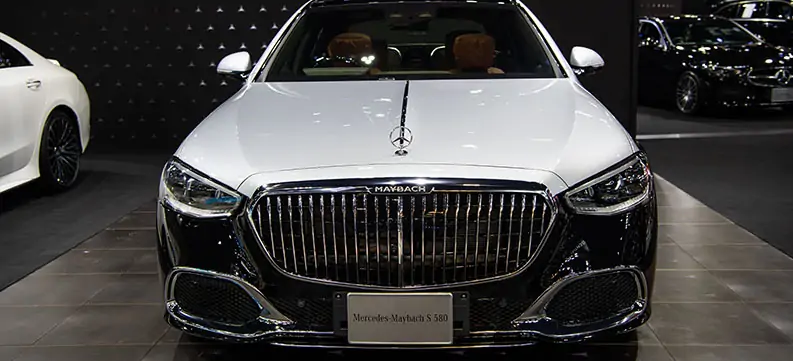
            Mercedes-Benz is in the spotlight for a serious safety recall affecting over 27,000 of its luxury vehicles, the S 580 and Maybach S 580 models. These high-end cars are being recalled due to a software glitch in the engine control unit (ECU) that can cause the engine to stall unexpectedly. Not only does this issue present a major inconvenience, but it also creates significant safety concerns for drivers, passengers, and other road users.

            If you’re the owner of one of these vehicles, it’s important to know your options and take action. And if your Mercedes continues to have issues even after recall repairs or the recall work isn’t completed promptly, Gayle Law Group PC is here to help.

            What’s Going On With This Recall?

            Mercedes-Benz announced this recall after identifying a defect in the ECU software. This problem affects specific 2021-2023 models of the Mercedes S 580 and Maybach S 580, two of the brand’s most luxurious sedans. The recall includes 27,190 vehicles, and each one has been flagged for the same issue.

            So, what’s the problem? In simple terms, the ECU isn’t doing its job properly when managing the CAMTRONIC variable valve lift adjustment system. Under certain driving conditions, like when downshifting during light braking or at low transmission oil temperatures, the engine may stall without warning. Imagine your car suddenly losing power in the middle of traffic. It’s easy to see how this could lead to a dangerous situation.

            How Did Mercedes Discover This Issue?

            This isn’t a new problem. Mercedes started looking into reports of engine stalling as early as 2022, initially focusing on similar issues in its GLE and GLS models. By 2023, the automaker replicated the stalling issue in test vehicles and confirmed that it also impacted the S 580 and Maybach S 580.

            Further investigation uncovered a troubling pattern. Mercedes documented 261 field reports and over 730 warranty claims linked to stalling or related issues dating back to 2019. Despite years of development and refinement, the problem persisted, leading to this widespread recall.

            How Is Mercedes Fixing the Problem?

            Mercedes-Benz has outlined a straightforward plan to address the stalling issue. The main fix involves updating the ECU software to correct the programming error. Additionally, technicians will inspect the CAMTRONIC system and replace any faulty components as needed.

            The good news? These repairs are free for owners. Mercedes was to send notification letters to all affected customers by November 26, 2024, with instructions on how to schedule their repair appointments. If you’re an owner, you won’t have to pay a dime to address this defect.

            What Should You Do If Your Vehicle Is Affected?

            If you own a 2021-2023 Mercedes S 580 or Maybach S 580, here’s how to ensure your vehicle is safe:

            1. Check Your VIN: Use the Mercedes-Benz recall lookup tool or call your dealership to verify if your car is included.
            2. Schedule Repairs: Contact your local Mercedes dealer to set up an appointment. Be sure to mention the recall and provide your VIN.
            3. Drive Carefully: Until the repairs are complete, pay close attention to your vehicle’s performance and be cautious on the road.
            4. Stay Informed: Keep an eye out for updates from Mercedes. They may release additional guidance as repairs progress.

            This recall is an inconvenience, but your safety is what matters most. Take these steps to get your vehicle repaired and back on the road.

            When the Recall Isn’t Enough

            While recalls aim to fix problems, they don’t always resolve the underlying issues completely. If you’re still dealing with engine stalls, check engine lights, or other recurring problems after repairs or if your car was in the shop repeatedly for the problem before the recall work was done, your vehicle may qualify as a “lemon” under California’s Lemon Law.

            Lemon Law exists to protect consumers like you from ongoing issues with defective vehicles. It ensures that automakers are held accountable when their cars fail to meet basic safety and reliability standards.

            What Are Your Options Under Lemon Law?

            If your Mercedes continues to experience problems, you may be entitled to:

            • A Replacement Vehicle or Refund: Manufacturers might be required to buy back your car or replace it with a similar model.
            • Monetary Compensation: You could receive cash to cover the inconvenience and safety risks caused by the defect.

            For luxury vehicles like the S 580 and Maybach S 580, Lemon Law settlements can be significant. Of course, every case is unique, and results depend on the specific circumstances.

            Why Choose Gayle Law Group PC?

            If you’re dealing with a defective Mercedes, navigating the Lemon Law process can feel overwhelming. That’s where Gayle Law Group PC comes in. We specialize in Lemon Law cases and have years of experience helping clients like you secure the compensation they deserve.

            Our approach is simple:

            • We provide personalized evaluations to determine if your vehicle qualifies as a lemon.
            • Our team gathers all the necessary documentation, including repair records and warranty claims, to build a strong case.
            • We advocate aggressively on your behalf, whether it’s negotiating with the manufacturer or taking the case to court.

            Don’t let a defective vehicle disrupt your life. Contact Gayle Law Group PC today to explore your legal options and find out how we can help.

            Why This Recall Matters

            This recall isn’t just about a software glitch, it’s a reminder of why Lemon Law protections are so important. Automakers like Mercedes-Benz are responsible for producing safe and reliable vehicles. But when defects occur, consumers deserve the tools and resources to seek justice.

            Lemon Law ensures that manufacturers are held accountable and gives you the power to demand better. You shouldn’t have to settle for a car that doesn’t perform as promised, especially when your safety is on the line.

            Take Action Today by Contacting Gayle Law Group PC for Lemon Law Assistance

            The Mercedes S 580 and Maybach S 580 recall highlights the importance of addressing safety defects promptly. If you own or lease one of these vehicles in California, schedule your repairs as soon as possible and if problems persist after the recall, contact our team at Gayle Law Group PC.

            Our team of California Lemon Law experts is here to guide you every step of the way. We’ll work to secure a resolution that works for you, whether it’s a replacement vehicle, a refund, or compensation for the hassle. Don’t wait! Reach out to Gayle Law Group PC today for a consultation. Let us help you get the resolution you deserve and the peace of mind you need.

            ======================
            Jeep Grand Cherokee

            Understanding the Nissan Leaf Battery Recall

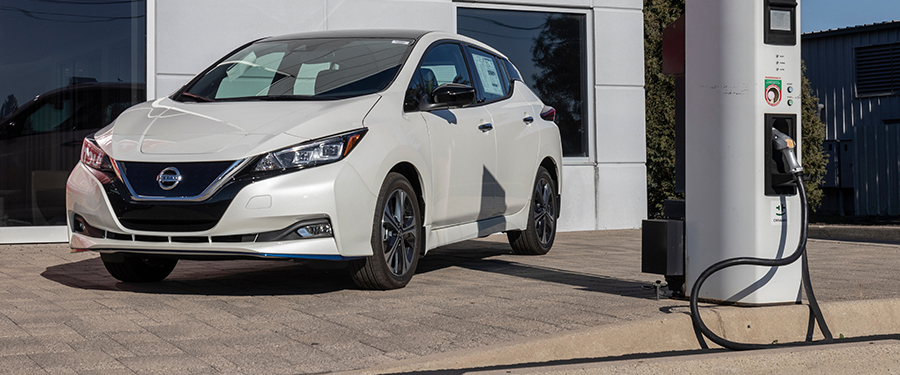
            Nissan has issued a recall for nearly 24,000 Leaf electric vehicles (EVs) due to a serious safety concern. So what’s the issue? These vehicles may experience battery overheating during Level 3 DC fast charging, which could potentially lead to a fire. For affected owners, this is more than just a technical glitch, it’s a significant risk to safety and a disruption to everyday life.

            If you’ve been dealing with ongoing problems with your Nissan Leaf, this recall is another reminder of why consumer protections like lemon law exist. Lemon law is designed to help people like you hold manufacturers accountable when a vehicle repeatedly fails to perform as promised. If this sounds like your situation, our team at Gayle Law Group PC can help you explore your options.

            What’s Going on With the Nissan Leaf’s Battery?

            At the center of the recall is a defect in the Leaf’s lithium-ion battery. Due to excessive lithium deposits forming within the battery cells, electrical resistance increases during charging. This resistance can cause dangerous fluctuations in the battery’s state of charge, which might lead to overheating or even a fire.

            To make matters worse, there are no visible or audible warnings when the battery starts to overheat. That means owners may not realize there’s a problem until it’s too late. For now, Nissan has advised against using Level 3 fast chargers while they work on a fix.

            Which Vehicles Are Affected?

            The recall applies to specific Leaf models manufactured between 2018 and 2020. This includes vehicles with 40- and 62-kilowatt-hour battery packs, built at Nissan’s Smyrna, Tennessee, plant.

            If you own a 2019 or 2020 Leaf, you should check if your car is included in the recall. You can do this by visiting Nissan’s website or contacting your local dealership. Guaranteeing your safety should always come first, and taking the time to verify your vehicle’s status is a critical step.

            How Does This Affect Owners?

            Limitations of the Recall

            For many drivers, one of the biggest appeals of an EV like the Leaf is its ability to handle long-distance travel with fast charging. But with Nissan recommending against using Level 3 DC fast chargers, that convenience is now off the table. Owners are left dealing with longer charging times and reduced usability of their vehicles.

            Battery degradation over time is another concern. Some owners have reported their driving range shrinking faster than expected, which could mean pricey battery replacements down the road. These issues pile up, making it harder for owners to feel confident in their vehicle’s performance.

            The Hidden Costs

            It’s not just about safety, it’s also about the financial strain. Owning a car with recurring problems can lead to unexpected costs, like repair bills, lost time, and expenses for alternative transportation. Over time, these costs can add up, leaving owners feeling frustrated and overwhelmed. If you’re facing these challenges, lemon law might be your best option to recover those losses.

            What Is Nissan Doing About It?

            The Proposed Fix

            Nissan plans to roll out a software update to address the battery overheating issue. This update is supposed to improve the battery management system, helping regulate temperature during charging and reducing the risk of overheating. While the update was first expected to be available by November 2024, it is now not anticipated until Spring 2025. Also even after the fix is performed, the lack of an actively cooled battery system in the Leaf raises questions about how effective this fix will be in the long run.

            Once the update is ready, affected owners will be notified by Nissan. The repair will be free of charge, and owners can schedule an appointment at their local dealership. In the meantime, Nissan strongly advises against using fast chargers and recommends monitoring your vehicle closely for any unusual behavior.

            Steps for Owners

            If your Leaf is included in the recall, here’s what you should do:

            • Avoid Fast Chargers: Don’t use Level 3 DC chargers until the software update is installed.
            • Watch for Warning Signs: Keep an eye on your battery’s performance. If you notice rapid temperature increases or charge levels dropping unexpectedly, contact your dealership immediately.
            • Schedule Repairs: Once you receive a notification, make an appointment for the free repair at your local dealership.

            Taking these precautions can help keep you and your vehicle safe until a permanent fix is in place.

            What Lemon Law Can Do for You

            Lemon law is there to protect consumers when a vehicle turns out to be a dud. If your Nissan Leaf has been in the shop multiple times for the same issue or any other defect that affects safety, performance, or value, you may be eligible for compensation. This could include a refund, a replacement vehicle, or even cash compensation for the trouble you’ve endured.

            Here’s what you could be reimbursed for under lemon law:

            • Your down payment and monthly payments.
            • Taxes, registration fees, and other expenses.
            • Incidental costs like rental cars or towing services.

            Best of all, lemon law cases in California require the manufacturer to cover attorney fees, meaning pursuing a claim won’t cost you anything out of pocket.

            Don’t let these issues go unresolved. Lemon law is here to help!

            Why Choose Gayle Law Group PC?

            Dealing with a recall like this can feel overwhelming, especially when you’re up against a large corporation. That’s where our experts at Gayle Law Group PC comes in. Our team specializes in California lemon law cases, and we’ve helped countless clients recover compensation for defective vehicles. With us on your side, you’ll have experienced legal experts fighting for your rights.

            We’ve successfully handled cases involving EV defects, including battery issues like this one. Our personalized approach means we’ll take the time to understand your unique situation and craft a strategy that works for you. You don’t have to navigate this process alone. We’re here to help.

            Contact Gayle Law Group PC for Expert Lemon Law Assistance to Get the Compensation You Deserve

            If your Nissan Leaf is part of this recall, don’t wait to take action. Whether you’re dealing with battery issues or any other recurring defect, lemon law gives you the power to demand accountability from manufacturers.

            If you purchased or leased your vehicle in California, Contact our team at Gayle Law Group PC today for a free consultation. We’ll review your case, explain your options, and guide you through the process of filing a claim. There’s no cost to get started, and you could be on your way to securing the compensation you deserve.

            Take control of your vehicle’s future. Reach out to Gayle Law Group PC today, and let us help you get back on the road with confidence.

            ======================
            Jeep Grand Cherokee

            2023 Nissan Rogue Problems & Complaints

            When you’re in the market for a reliable compact SUV, the Nissan Rogue might seem like a solid choice. It's known for its comfort and affordability, but unfortunately, the 2023 model has left some owners frustrated. What was supposed to be a smooth ride has turned into a series of unexpected problems, leaving drivers feeling like they bought a lemon instead of a dependable vehicle.

            If you’re dealing with ongoing issues with your 2023 Nissan Rogue, you don’t have to go through it alone. California’s lemon law exists to protect consumers just like you, and our team at Gayle Law Group PC is here to help you explore your options for compensation.

            Common 2023 Nissan Rogue Problems

            While the 2023 Nissan Rogue might be great on paper, several drivers have reported serious issues that affect both the performance and safety of the vehicle. Many of these complaints have popped up on consumer platforms like the National Highway Traffic Safety Administration (NHTSA) and Kelley Blue Book.

            Here’s a quick rundown of the most common problems:

            • Engine Problems: From stalling to a strong smell of fuel, some drivers are finding that their Rogue’s engine isn’t as reliable as it should be.
            • Forward Collision Avoidance System Problems: A system that’s supposed to improve safety is actually causing more headaches due to false alarms and other malfunctions.
            • Transmission Problems: Issues like gear slippage and vehicle rollaway are making driving the Rogue a nerve-wracking experience for some.

            These problems don’t just make the Rogue less enjoyable to drive, they can also put you and your passengers at risk. Let’s break down these issues in more detail and talk about what you can do if your Rogue is giving you trouble.

            2023 Nissan Rogue Engine Problems

            One of the most significant issues that Rogue owners are facing is engine trouble. When your engine isn’t running smoothly, it can lead to all sorts of dangerous and frustrating situations.

            Imagine driving down the highway and having your engine cut out. That’s exactly what’s been happening to some Rogue drivers, and it’s a scary situation to be in. In addition to stalling, some owners have reported smelling gasoline inside their vehicle, which is a potential sign of a fuel system issue that should not be ignored. Other drivers have noticed their Rogue losing power mid-drive or shuddering in a way that makes them question if the engine will keep running.

            Even after taking their vehicle to the dealership, some owners say that the problems persist. If you’re facing repeated engine issues, you may be driving a lemon, and that’s where lemon law can step in to help.

            2023 Nissan Rogue Forward Collision Avoidance System Problems

            The forward collision avoidance system in the Rogue is designed to help keep you safe by detecting obstacles and applying the brakes if necessary. Sounds great, right? Unfortunately, for some 2023 Rogue owners, this system has caused more problems than it’s solved.

            Drivers are reporting that the system is detecting obstacles that aren’t there, causing the vehicle to brake suddenly. This can be a jarring experience and could even lead to an accident. Some owners have also had their cruise control disabled unexpectedly, forcing them to drive without it. For long highway trips, this can be very frustrating.

            If you’re dealing with a forward collision system that’s making your drive more stressful rather than safer, you’re not alone. These kinds of recurring issues might qualify your vehicle for lemon law protection, especially if the dealership has been unable to fix the problem after several attempts.

            2023 Nissan Rogue Transmission Problems

            Another area where the 2023 Nissan Rogue is causing headaches is with its transmission. The transmission is responsible for making sure power gets from the engine to the wheels, and when it fails, driving becomes a challenge.

            Common Transmission Issues:

            • Gear Slippage: Some Rogue owners have reported that their transmission slips out of gear without warning. This can make it difficult to control the vehicle’s speed and can be incredibly dangerous in traffic.
            • Rollaway: Imagine parking your car and walking away, only to realize it’s rolling down the street! This has been a real issue for some Rogue drivers, even when the parking brake is applied.
            • Lurching and Shaking: Other drivers have experienced their vehicle lurching forward or shaking while driving, making them worry about their safety on the road.

            Transmission problems can put you at serious risk, and if you’ve taken your car in for repairs but the issues keep coming back, it might be time to consider a lemon law claim.

            Example Complaints from Real Nissan Rogue Owners

            Hearing about these issues in a general sense is one thing, but let’s take a look at some real-world examples to see what 2023 Nissan Rogue owners are dealing with:

            • Engine Trouble: One driver reported that their Rogue stalled while driving on the freeway, creating a dangerous situation where they had to pull over suddenly. Even after multiple trips to the dealership, the problem wasn’t resolved, leaving them frustrated and worried about their safety.
            • Forward Collision System Failures: Another owner shared how their forward collision system triggered the brakes for no reason, nearly causing a rear-end collision when there was no obstacle in sight.
            • Transmission Issues: One Rogue owner described how their vehicle rolled away after parking, despite using the parking brake. After multiple repair attempts, the issue kept coming back.

            If these stories sound familiar, you might be dealing with a lemon yourself. Thankfully, there’s a solution.

            How Lemon Law Could Help with Your 2023 Nissan Rogue Issues

            If your 2023 Nissan Rogue is causing you repeated headaches with ongoing problems, California’s lemon law was created to help people in your situation. Lemon law protections exist for consumers who have purchased a vehicle with significant defects that can’t be fixed after multiple attempts. If the manufacturer or dealership hasn’t been able to resolve a major issue with your vehicle after a reasonable number of repair attempts, you may be entitled to compensation or even a replacement vehicle.

            To qualify under California's lemon law, your 2023 Nissan Rogue must have a substantial defect. This means the issue should significantly impact the vehicle’s safety, functionality, or overall value. If you’ve taken your Rogue in for repairs multiple times for the same issue and it still isn’t fixed, it’s possible that your vehicle qualifies as a lemon.

            You don’t have to navigate this situation on your own. California’s lemon law is designed to protect you from being stuck with a faulty vehicle, and you have the right to seek compensation for the ongoing issues with your Rogue. If you’re dealing with repeated problems, it’s time to take action.

            Reach out to Gayle Law Group PC for expert legal assistance. Our team of experienced lemon law attorneys is here to guide you through the process and help you get the compensation or vehicle replacement you deserve. Let us help you solve these frustrating car problems and move forward with the compensation you deserve.

            Connect with an Experienced California Lemon Law Attorney from Gayle Law Group PC

            While the 2023 Nissan Rogue might work fine for some owners, others are left dealing with serious problems that make their vehicle unreliable and unsafe. If you’ve tried to get your Rogue fixed but the problems keep coming back, don’t wait. Lemon law protections are made to help you, and Gayle Law Group PC is here to make sure you get the assistance you need.

            Contact our team today to schedule a consultation. We specialize in helping consumers navigate lemon law claims and can work with you to ensure that you’re not stuck with a vehicle that doesn’t meet your expectations. Let us help you get back on the road with confidence, knowing that your rights are protected.

            ======================
            Sticky Steering

            2024 Honda Problems & Complaints: Sticky Steering Recall and Lemon Law Rights

            In October 2024, Honda issued a massive recall affecting about 1.7 million vehicles due to a steering defect. Known as the "sticky steering" issue, this defect can make steering feel difficult or "sticky" at times, which poses a significant safety risk for drivers. Even though Honda is offering free repairs, many owners report ongoing struggles with steering problems, raising concerns about what to do if repairs don’t completely resolve the issue.

            At Gayle Law Group PC, we understand the frustration of dealing with repeated issues on what should be a reliable vehicle. We’re here to help you understand your options if you’re facing persistent problems. Let’s dive into what’s going on with this recall, how Honda is handling it, and how lemon law protections might be your answer if repairs don’t cut it.

            What’s Behind the Sticky Steering Problem?

            Honda’s sticky steering defect impacts certain Honda and Acura models from 2022 to 2025. It’s not just a small inconvenience; this issue can seriously affect your ability to drive safely. Honda’s lineup in this recall includes popular models like the Civic Sedan, CR-V, and Acura Integra.

            Affected drivers experience a “sticky” or heavy steering wheel sensation, which can make it harder to maneuver, especially in critical driving situations. Here’s a closer look at what’s happening under the hood.

            Which Models Are Included?

            If you own one of the following models, it’s worth checking if you’re affected by the recall:

            • Honda Civic (2022-2025): Sedan, Hatchback, Hybrid models
            • Honda CR-V (2023-2025): Standard, Hybrid, and Fuel Cell variants
            • Honda HR-V (2023-2025)
            • Acura Integra (2023-2025)

            You can reach out to your local dealership or check Honda’s website by entering your vehicle’s VIN to confirm if your specific car is included in the recall.

            What’s Causing This Sticky Steering Issue?

            The problem stems from a part in the steering gearbox known as the worm wheel. It turns out that this component didn’t get manufactured quite right, making it prone to swelling when it gets too hot or humid. As it swells, the grease between the worm wheel and the worm gear thins out, creating friction that makes steering harder.

            On top of this, Honda found that the preload (or pressure) on the worm gear spring was set too high, which only adds to the problem by creating even more friction.

            Together, these issues cause a significant increase in steering effort, leading to the sticky feeling you might notice when you turn the wheel.

            Why Is This Issue a Big Deal?

            If you’re driving a car with sticky steering, you know how disconcerting it can be. Not only does it make driving less enjoyable, but it also poses real risks, especially if you’re in a high-stakes driving situation. Steering control is crucial, and when that control feels compromised, it can lead to dangerous outcomes.

            As of late September, Honda hadn’t reported any crashes or injuries linked directly to this issue, but the potential for problems is clear. Many drivers are understandably concerned, and some have even taken legal action, claiming that the steering defect impacts their safety and the reliability of their vehicles.

            What Is Honda Doing to Address the Problem?

            Honda’s response to the issue has been to issue a recall and offer free repairs to all owners of affected models. Their recall solution includes replacing the faulty worm gear spring and adding or redistributing grease to help reduce friction in the gearbox. This repair should, in theory, alleviate the sticky feeling and restore normal steering function.

            If your vehicle is impacted, you’ll likely receive a recall notice from Honda starting in November 2024. Here’s what to do if you get one:

            1. Check for Recall Notification: When you get a notice, it’s best to confirm if your vehicle is affected by checking Honda’s website or contacting your dealer.
            2. Schedule a Repair Appointment: Promptly reach out to your dealership and schedule a repair appointment as soon as possible. Fixing the issue quickly can reduce potential safety risks.
            3. Prepare for Your Appointment: Bring along any necessary documents like your recall notice and registration, and make sure your vehicle is clear of personal items.
            4. Monitor Performance After the Repair: After repairs, keep an eye on your vehicle’s steering. If you’re still experiencing issues, it’s important to report them to your dealership immediately.

            What To Do If the Issue Persists

            If you’ve been dealing with persistent steering issues in your Honda, even after repairs, you might be wondering what else you can do. This is where lemon laws come into play. Lemon laws are designed to protect drivers like you who’ve purchased or leased defective vehicles that just don’t seem to get fixed, even after multiple repair attempts.

            How Lemon Law Can Help

            Lemon laws vary from state to state, but the basic idea is the same: if you’re stuck with a car that has a serious defect affecting its use, safety, or value and the manufacturer can’t fix it after a reasonable number of tries, you could be entitled to a refund, replacement, or compensation.

            To qualify for lemon law protections, here’s what you typically need:

            • A significant defect that impacts your car’s use, safety, or value.
            • Multiple repair attempts (usually 2-4) that didn’t resolve the issue.
            • Your car has been out of service for repairs for a long time.

            If you’re dealing with ongoing steering problems, documenting each repair attempt and keeping copies of your invoices can strengthen your lemon law case. At Gayle Law Group PC, we can help you understand your options if you’ve been through multiple rounds of repairs without a permanent solution.

            How Gayle Law Group PC Can Help

            Handling lemon law cases, especially with large recalls like this one, can feel overwhelming. We specialize in lemon law cases, and our team is here to help Honda owners facing ongoing issues.

            If your steering issues haven’t been fully resolved, we’re ready to walk you through your options under lemon law. Our goal is to make sure you’re not left in an unreliable car and to secure fair compensation, whether that’s a vehicle replacement, a refund, or a settlement.

            Considering Legal Action? Contact Gayle Law Group PC Today

            If you own a Honda or Acura that’s affected by the sticky steering recall and you’re still having trouble even after repairs, you might have grounds for a lemon law claim. Lemon law protections could entitle you to a refund, replacement, or compensation for the inconvenience and safety concerns you’ve faced. We’re here to ensure you understand your rights and get the support you need.

            With recalls like this, it’s clear that consumer protection laws play a vital role, especially when vehicle defects persist. Gayle Law Group PC is here to help you understand how lemon law can protect you and your vehicle. Don’t hesitate to reach out to our team to discuss your situation and see how we can help you get back on the road confidently.

            For personalized assistance with your lemon law case, contact Gayle Law Group PC today. Our team has the experience to guide you through the recall process and ensure you receive the compensation or replacement you deserve.

              Send Us A Message

              Free Consultation - No Legal Fees, Serving all California.

              ======================
              Jeep Grand Cherokee

              What You Need to Know About the Honda Recall Issues

              Honda has been known for its reliability, making it a top pick for those who love efficiency and comfort. But for some Honda owners, the experience hasn’t been as reliable as expected.

              Honda recently announced a recall impacting over 720,000 vehicles due to a serious issue with the high-pressure fuel pump. This defect can lead to fuel leaks, which in turn could cause fires.

              At Gayle Law Group PC, we know how important it is to keep you and your loved ones safe on the road. In this article, we'll break down the details of the recall, what risks are involved, and how you can protect yourself under lemon law if your vehicle is affected.

              Overview of the Recall

              TThe National Highway Traffic Safety Administration (NHTSA) has identified 720,810 Honda vehicles that might be impacted by this recall. The models included are:

              • 2023-2024 Honda Accord
              • 2023-2024 Honda Accord Hybrid
              • 2025 Honda Civic
              • 2025 Honda Civic Hybrid
              • 2023-2025 Honda CR-V Hybrid

              So what’s the problem? The high-pressure fuel pump in these vehicles may develop cracks over time, which can lead to fuel leaks. When that happens, you might notice a fuel smell while driving or even experience performance issues. It’s crucial to pay attention to these signs, as this defect can increase the risk of a fire.

              Understanding the Fuel Pump Issue

              The high-pressure fuel pump is an essential part of your vehicle. It pushes fuel from the tank to the engine at the right pressure. If cracks form in this pump, it compromises the entire fuel system. This means you could end up with leaks that not only affect how your car runs but could also lead to some pretty serious safety concerns.

              Risks Associated with the Defect

              The implications of a faulty high-pressure fuel pump can be alarming. Here’s what you need to know about the risks:

              1. Increased Risk of Fire: Fuel leaks can lead to fires, especially if leaking fuel comes into contact with hot engine parts. This poses a real danger not just to you, but to anyone nearby.

              2. Potential for Crashes and Injury: Fuel leaks can cause engine stalls or even a complete loss of control of your vehicle. Imagine driving down the highway and your car suddenly stops working. That’s a scary thought! Plus, the smell of gasoline can be concerning and distracting, which only adds to the risk.

              Signs to Watch For

              If you own one of the affected models, keep an eye out for these warning signs:

              • A noticeable fuel smell while idling or driving
              • Visible fuel leaks around the fuel pump area
              • Any engine performance issues, like stalling or difficulty starting

              If you notice any of these symptoms, it’s crucial to act fast. Contact your Honda dealer right away to get the issue checked out.

              Honda’s Response and Owner Notifications

              What’s Honda doing about this? They’re stepping up to the plate by offering free inspections and, if necessary, replacements of the faulty fuel pumps. Notification letters were to be mailed out starting December 4, 2024.

              Honda really wants affected owners to act quickly once they receive these notifications. You can also check if your vehicle is affected right now by visiting the NHTSA website or using Honda's recall lookup tool. Schedule an inspection with an authorized dealer to make sure your vehicle is safe!

              Lemon Law Implications

              Now, let’s talk about lemon law. This is important for you to know if you find yourself in this situation. Lemon laws are designed to protect consumers who purchase or lease defective vehicles. They vary by state but generally provide recourse for owners whose vehicles have significant defects that impair their use, value, or safety.

              How Lemon Law Works

              Here’s what you should keep in mind regarding lemon law protections:

              Repeated Repair Attempts or Extended Out-of-Service Time: If you've taken your car in for repairs on the same issue multiple times or your vehicle has been out of service for an extended period, you might have a lemon on your hands.

              Significant Impairment: If the defect, like the fuel pump issue, poses a real danger to your safety or makes your car hard to use, you could have grounds for a lemon law claim.

              Manufacturer’s Failure to Resolve the Issue: If Honda isn’t able to fix the problem after a reasonable number of attempts or if a fix for the recall isn’t promptly available for your car, they could be held accountable under lemon law.

              Please note: Gayle Law Group PC specializes in handling lemon law cases for consumers located in California.

              Steps for Affected Vehicle Owners

              If you think your Honda may be affected by this recall, here’s what you should do:

              1. Check If Your Vehicle is Affected

              Head to the NHTSA website or use Honda's recall lookup tool to see if your vehicle is included in the recall. Make sure you have your vehicle identification number (VIN) handy; you can find it on your dashboard or inside the driver’s door.

              2. Schedule an Inspection

              Once you confirm your vehicle is part of the recall, reach out to your local Honda dealer to schedule an inspection. Don’t put this off! The inspections and repairs will be done at no charge, so there’s no reason to wait.

              3. Document Everything

              Keep a detailed record of all communications with Honda and your dealership and keep all of the paperwork that you are given by a dealership. This information will be needed if you decide to pursue a lemon law claim later on. It’s good to have everything lined up.

              4. Reach Out for Legal Help

              If you believe your vehicle qualifies for lemon law protections because of this recall or problem, consider getting in touch with a lemon law attorney. Our team at Gayle Law Group PC specializes in helping California consumers navigate these tricky situations. We’re here to ensure your rights are protected and that you get the support you need.

              Schedule a Consultation with Gayle Law Group PC Today to Get Compensation for Your Lemon

              The Honda recall affecting over 720,000 vehicles is a big deal, and we want you to stay informed and safe. If you own one of the affected models, please take immediate action to have your vehicle inspected and repaired.

              At Gayle Law Group PC, our team is dedicated to helping California consumers understand their rights and options under lemon law. If you purchased or leased your vehicle in California and think it may be a lemon, don’t hesitate to reach out.

              Need help understanding your rights under California lemon law or want to discuss your situation further? Contact us at Gayle Law Group PC today! Our experienced team is here to support you and ensure you receive the protection and compensation you deserve.

              For more information, you can reach Honda customer service at 1-888-234-2138. Don’t forget to visit the NHTSA website at nhtsa.gov for all the latest on vehicle recalls and safety information.

                Send Us A Message

                Free Consultation - No Legal Fees, Serving all California.

                ======================

                NHTSA Opens Investigation of 94,000 Recalled Jeep Wrangler Vehicles

                It’s been announced that the National Highway and Traffic Administration (NHTSA) has opened an investigation into over 94,000 Jeep Wrangler vehicles due to serious safety concerns. Our lawyers at Gayle Law Group PC are committed to assisting vehicle owners affected by this recall under the protection of lemon law. We want to keep you informed, so let’s look into the details of the recall, the investigation, and what affected Jeep Wrangler owners can do to seek justice and ensure their safety.

                Mercedes Benz

                Background of the Recall

                On November 23, 2022, a significant recall was issued for 62,909 Jeep Wrangler vehicles spanning the 2021-2023 model years. This recall was prompted by reports of engine shutdowns caused by a loss of communication, which can lead to a loss of drive power and an increased risk of crashes.

                To address the issue, the manufacturer committed to updating the transmission control module software and the Hybrid Control and Auxiliary Hybrid Control Processors, with vehicle owners being notified by December 22, 2022. This update was meant to resolve the issue and restore vehicle safety.

                The recall specifically targeted 2021-2023 Jeep Wrangler vehicles that were experiencing these critical failures. The nature of the problem—a loss of communication leading to engine shutdown—highlighted a significant flaw in the vehicle's design and manufacturing process. The manufacturer's response aimed to correct these issues through software updates, which were intended to prevent the loss of drive power and reduce the risk of crashes.

                Impact on Vehicle Owners

                The recall affected thousands of vehicle owners who relied on their Jeep Wranglers for daily transportation. The potential for engine shutdowns not only posed a risk for the drivers and passengers but also for other road users. The fear of a sudden loss of drive power created a sense of insecurity among owners, necessitating immediate action from the manufacturer to regain consumer trust.

                NHTSA’s Current Investigation

                The NHTSA’s investigation, announced on July 5, 2024, expands the scope to 94,275 Jeep Wrangler 4XE PHEV vehicles from the 2021-2024 model years. This investigation follows 68 Vehicle Owner Questionnaire reports detailing failures post-recall, as well as issues not covered by the 2022 recall. Vehicle owners filed these complaints through the Vehicle Safety Hotline and an online form, highlighting ongoing safety concerns that were not adequately addressed by the initial recall.

                The investigation focuses on identifying the extent of the defects in the Jeep Wrangler models, both those covered by the original recall and additional models that have since exhibited similar issues. The complaints received indicate that the problems persist even after the recall remedies were applied, suggesting that the initial solutions may not have been sufficient to address the root cause of the defects.

                The current investigation covers a broader range of vehicles, including the 2021-2024 Jeep Wrangler 4XE PHEV models. The significant number of complaints and the expanded scope of the investigation highlight the urgency and severity of the issue. The NHTSA is working to determine whether the defects pose a continuing risk to vehicle owners and other road users.

                Issues Highlighted in the Investigation

                The investigation revealed that the complaints included both post-recall remedy failures and vehicle failures outside the scope of the original recall. A comparative analysis indicated that the complaint rate for out-of-scope vehicles is higher than for those covered by the recall. This suggests persistent and unresolved issues with the affected Jeep Wrangler models, raising significant concerns about the overall safety and reliability of these vehicles.

                The post-recall failures reported by vehicle owners suggest that the software updates and other remedies provided by the manufacturer were not entirely effective. These failures prove the need for a more comprehensive approach to resolving the defects and ensuring that all affected vehicles are safe for use.

                Impact on Jeep Wrangler Owners

                The safety risks associated with these vehicle defects are significant, potentially leading to dangerous situations on the road. Owners of these Jeep Wranglers have reported various problems, which could lead to serious accidents and injuries.

                It is crucial for affected owners to understand the severity of these issues and take immediate action to address them. Taking proactive steps to address the issues, such as seeking legal assistance and ensuring that their vehicles are properly repaired, can help mitigate these risks and restore confidence in their vehicles.

                Manufacturer’s Response

                In response to the investigation, Stellantis, the manufacturer of Jeep Wrangler, has expressed its cooperation with the NHTSA. Frank Matyok, a spokesperson for Stellantis, stated that the company will make efforts to resolve these issues. The outcome of this investigation will determine the effectiveness of the recall remedies and identify further actions needed to ensure vehicle safety.

                Stellantis’s cooperation with the NHTSA investigation demonstrates the company’s commitment to addressing the defects and protecting the safety of its vehicles. The manufacturer’s willingness to work with regulatory authorities is a positive step toward resolving the issues and preventing future incidents.

                The results of the NHTSA investigation will determine the next steps for Stellantis and affected vehicle owners. Depending on the findings, additional recalls or corrective actions may be necessary to address the defects and make sure that all affected vehicles are safe for use.

                Legal Implications and Lemon Law

                Under lemon law, vehicle owners are entitled to a functional and safe vehicle. If a manufacturer fails to repair a vehicle after a reasonable number of attempts, the owner may be eligible for a replacement vehicle or a refund. The ongoing issues with the Jeep Wrangler models, despite the recall, highlight the importance of lemon law protections for consumers.

                For Jeep Wrangler owners affected by these defects, lemon law provides a crucial avenue for seeking compensation and remedies. Lemon law protects consumers who purchase defective vehicles, allowing them to seek repairs, replacements, or refunds. At Gayle Law Group PC, an experienced lemon law attorney can guide affected owners through the legal process, ensuring their rights are protected and they receive the compensation they deserve.

                Seeking Legal Assistance

                Gayle Law Group PC has extensive experience handling lemon law cases and can provide the expertise needed to navigate the legal process. Our team is committed to advocating for the rights of vehicle owners and ensuring that they receive the compensation they are entitled to. If you own a Jeep Wrangler affected by this recall, it is essential to seek legal assistance to protect your rights and ensure your safety.

                Taking Proactive Steps

                In addition to seeking legal assistance, it is important for affected Jeep Wrangler owners to stay informed about the ongoing investigation and any additional recalls or corrective actions. Keeping up-to-date with the latest developments can make sure their vehicles are properly repaired and safe for use.

                The NHTSA investigation into the Jeep Wrangler recalls highlights the importance of addressing vehicle safety issues promptly and effectively. Gayle Law Group PC is committed to helping affected vehicle owners seek justice and compensation under lemon law. Stay informed, take proactive steps, and contact us for legal assistance to protect your rights and protect your safety on the road.

                How Gayle Law Group PC Can Help Your Lemon Car

                At Gayle Law Group PC, we have extensive experience handling lemon law cases. We understand the frustration and potential dangers associated with owning a defective vehicle. Our team is committed to advocating for your rights and helping you receive the compensation you are entitled to. Don’t hesitate to reach out to us for a consultation to discuss your case.

                If you own a Jeep Wrangler affected by this recall, it is essential to take action. Contact Gayle Law Group PC for a consultation to understand your rights and explore your legal options. Our experienced team is here to provide the support and expertise needed to navigate the complexities of lemon law and assist you in receiving the justice you deserve.

                  Send Us A Message

                  Free Consultation - No Legal Fees, Serving all California.

                  ======================

                  Over 84,000 SUVs and Hatchbacks Affected by Backup Camera Issues in Volkswagen Recall

                  Volkswagen has initiated a substantial recall affecting more than 84,000 vehicles due to a malfunctioning backup camera. This recall includes popular models such as the Atlas, Atlas Cross Sport, and Golf variants, highlighting the critical need for addressing vehicle defects promptly. At Gayle Law Group PC, we specialize in lemon law, providing expert assistance to vehicle owners dealing with recurring defects and helping them receive the compensation they deserve. We’re here to help in the current Volkswagen recall.

                  Jeep Grand Cherokee

                  Details of the VW Recall

                  Volkswagen's recall impacts more than 84,400 vehicles, including model-year 2024 Atlas and Atlas Cross Sport SUVs, as well as model-year 2022-2024 Golf GTIs and Golf Rs. The problem centers around the backup camera, a crucial safety feature mandated by federal regulations. In the affected vehicles, the backup camera image may either be delayed or fail to activate when the vehicle is shifted into Reverse. This malfunction significantly reduces the driver's rear view, increasing the risk of a crash or injury.

                  The recall includes a range of Volkswagen's most popular models. The 2024 Atlas and Atlas Cross Sport SUVs are both two- and three-row family haulers known for their spacious interiors and advanced features. The recall also affects the 2022-2024 Golf GTIs and Golf Rs, sporty hatchbacks celebrated for their performance and handling. This recall demonstrates the widespread nature of the backup camera issue and the importance of addressing it across multiple vehicle types.

                  The Safety Concern

                  The backup camera is a federally mandated feature designed to enhance driver visibility and reduce the risk of accidents while reversing. When the camera fails to provide an immediate and clear view of the area behind the vehicle, drivers are at a heightened risk of accidents, especially in crowded areas or when reversing out of parking spaces.

                  The delay or deactivation of the backup camera can lead to dangerous situations where obstacles, pedestrians, or other vehicles are not visible in time to avoid a collision. This defect not only compromises safety but also raises legal questions about the usability of the affected vehicles.

                  Volkswagen's Response

                  In response to the identified issue, Volkswagen is taking proactive measures to rectify the problem. The automaker will be updating the infotainment system software in the affected vehicles at no cost to the owners. This software update is to make sure the backup camera functions correctly, providing a clear and timely view whenever the vehicle is in reverse.

                  Volkswagen plans to begin notifying owners of the recall on August 23. Owners with questions or concerns can contact Volkswagen directly at 800-893-5298, referencing recall number 91US. Additionally, information is available through the National Highway Traffic Safety Administration (NHTSA) vehicle-safety hotline at 888-327-4236, or on their website by checking the vehicle identification number (VIN).

                  The Broader Implications

                  In addition to the immediate actions being taken by Volkswagen, the recall shows the ongoing challenges automakers face in guaranteeing the reliability of advanced vehicle technologies. The integration of sophisticated infotainment systems, which include safety features like backup cameras, has become standard in modern vehicles. However, as these systems grow in complexity, the potential for software glitches and other malfunctions increases. This recall is a reminder of the need for rigorous testing and quality control measures throughout the development and production process to prevent such issues from reaching consumers.

                  Moreover, the recall highlights the importance of consumer awareness and proactive vehicle maintenance. Owners of the affected Volkswagen models are urged to stay informed about recalls and service bulletins. Regularly checking for updates on the NHTSA website or through the manufacturer's communication channels can make sure that any necessary repairs or software updates are completed promptly, maintaining the vehicle's safety and functionality.

                  For those who encounter recurring issues with their vehicles, understanding the provisions of lemon laws is crucial. These laws are designed to protect consumers from safety and reliability issues as well as the financial burden of owning a defective vehicle that cannot be adequately repaired.

                  By working with an experienced lemon law attorney, consumers can navigate the legal process more effectively and secure the compensation they deserve. This recent Volkswagen recall serves as a reminder of the importance of vigilance, both from manufacturers in maintaining high safety standards and from consumers in addressing potential vehicle defects swiftly.

                  What to Do if Your Vehicle is Affected

                  If you own one of the recalled Volkswagen models, it is crucial to act promptly. First, confirm whether your vehicle is part of the recall by visiting the NHTSA website and entering your VIN. The VIN is a unique code that can be found on the vehicle's registration documents, insurance card, or on the lower left corner of the windshield.

                  Once confirmed, schedule an appointment with your nearest Volkswagen dealer to have the infotainment system software updated. This service is provided free of charge and will make sure your vehicle's backup camera operates as intended. Promptly addressing the recall will help prevent potential safety issues and follow compliance with federal regulations.

                  Understanding Lemon Law

                  Lemon laws provide significant protections for consumers who purchase defective vehicles. These laws vary by state but generally require manufacturers to repair substantial defects within a certain number of attempts or a specified period. If the manufacturer fails to resolve the issue after a reasonable number of attempts, the consumer may be entitled to a replacement vehicle or a refund of the purchase price. Understanding your rights under lemon law can help you receive fair compensation for a defective vehicle.

                  How Gayle Law Group PC Can Help

                  The recent Volkswagen recall affecting over 84,000 SUVs and hatchbacks underscores the importance of vehicle safety and the need for prompt action when defects are identified. Also, you may have a lemon, if you already experienced problems with the backup camera in your vehicle for which you took it in for repair. If you own one of the affected models, it is crucial to have the necessary software update performed so the backup camera functions correctly.

                  At Gayle Law Group PC, we specialize in lemon law claims and have a proven track record of helping clients navigate the complexities of these cases. With the guidance of an experienced attorney, we can assist you in documenting the defect, negotiating with the manufacturer, and pursuing legal action if necessary. We are dedicated to helping clients receive the compensation they deserve for defective vehicles, including those affected by the recent Volkswagen recall.

                  We're here to assist you with any lemon law claims related to this situation or other vehicle defects. Contact us today for expert guidance and support in protecting your rights as a vehicle owner. Stay informed, stay safe, and ensure your vehicle meets the highest standards of safety and performance.

                    Send Us A Message

                    Free Consultation - No Legal Fees, Serving all California.

                    ======================

                    What You Need to Know About the Mercedes Recall

                    The shift towards electric vehicles (EVs) is a significant milestone in the automotive industry, leading to a future of cleaner, more sustainable transportation. Among the leading manufacturers of luxury EVs, Mercedes-Benz has been at the forefront, blending their hallmark elegance and performance with cutting-edge electric technology.

                    Mercedes Benz

                    However, like all technological advancements, this transition has not been without its challenges. Recently, Mercedes-Benz announced a recall of nearly 15,000 EVs due to a critical software issue. We will be covering the details of the recall, its implications, and what it means for Mercedes-Benz owners.

                    The Recall: What Happened?

                    Mercedes-Benz issued a recall affecting approximately 15,000 electric vehicles due to a software glitch in the vehicles' diagnostic systems. This bug can potentially cause the high-voltage system to shut down unexpectedly. While the problem does not originate from the battery itself, the malfunction in the diagnostic system necessitates immediate attention and rectification. Owners of the affected models must visit their dealerships to receive a software update to resolve the issue.

                    The Technical Glitch

                    At the heart of this recall is a software bug within the diagnostic system of the EVs. The high-voltage system in an electric vehicle is crucial as it powers the electric motor and, consequently, the car itself. Any disruption in this system can lead to significant issues, including the complete shutdown of the vehicle while in operation. This not only compromises the vehicle's functionality but also poses a serious safety risk to the driver and passengers.

                    The diagnostic system's role is to monitor and manage the various electronic components and systems within the vehicle. A malfunction in this system can lead to inaccurate readings and improper functioning of the high-voltage system. This recall highlights the need for continuous monitoring and updates to vehicle software to prevent such issues from arising. It also emphasizes the evolving nature of vehicle maintenance, where software updates are becoming as crucial as traditional mechanical repairs.

                    Impact on Mercedes-Benz Owners

                    The recall impacts a wide range of Mercedes-Benz electric vehicles, putting a considerable number of owners at an inconvenience. The necessity to visit a dealership for a software update, while not overly burdensome, still requires time and effort on the part of the owners. Moreover, it raises concerns about the reliability of the vehicle and the potential for future issues.

                    For many owners, this recall may be their first experience with the complexities of software-related vehicle maintenance. Unlike traditional recalls that often involve physical parts, this software update represents a newer aspect of automotive ownership. It is essential for owners to stay informed and proactive in addressing these issues to maintain the safety and performance of their vehicles.

                    The Broader Context: EV Recalls

                    Recalls are not uncommon in the automotive industry, especially with the increasing complexity of modern vehicles. Electric vehicles, in particular, represent a new frontier, and manufacturers are still ironing out the kinks in their designs and systems. Mercedes-Benz is not alone in facing such challenges; other manufacturers have also had to recall their EVs for various reasons. For instance, Ford is currently exploring new technologies such as EV battery swapping, demonstrating the industry's ongoing efforts to innovate and improve.

                    The frequency of recalls in the EV sector reflects the rapid pace of innovation and the steep learning curve associated with new technologies. Each recall provides valuable insights that help manufacturers enhance their designs and improve future models. While recalls can be inconvenient for owners, they are a crucial part of the industry's commitment to safety and continuous improvement.

                    The Importance of Software in EVs

                    Software plays a pivotal role in the operation of electric vehicles. From managing the battery and high-voltage systems to ensuring the smooth functioning of various electronic components, software is integral to the performance and safety of EVs. A glitch in the software can lead to significant issues, as seen in the recent Mercedes-Benz recall.

                    The complexity of modern vehicle software means that even minor bugs can have widespread implications. Manufacturers must invest in comprehensive testing and validation procedures to identify and address potential issues before they impact consumers. Additionally, the increasing reliance on over-the-air (OTA) updates allows manufacturers to deploy fixes more quickly, minimizing the disruption to vehicle owners.

                    Ford's Innovative Approach: Battery Swapping

                    While Mercedes-Benz is dealing with software issues, Ford is exploring new avenues to enhance the convenience and efficiency of EV ownership. A recent patent application by Ford suggests the company is considering EV battery swapping via drive-up docking stations. This innovative approach could revolutionize the way we think about EV charging, particularly for fleet vehicles and other mobility solutions. Instead of waiting for a battery to charge, drivers could simply swap out a depleted battery for a fully charged one, significantly reducing downtime.

                    Battery swapping could address one of the most significant challenges of EV ownership: charging time. For commercial fleets and high-usage vehicles, the ability to quickly swap batteries can enhance operational efficiency and reduce downtime. If implemented successfully, this technology could complement existing charging infrastructure and provide a versatile solution for various use cases.

                    The Federal EV Charging Network: A Slow Start

                    Another critical aspect of EV adoption is the availability of charging infrastructure. Despite the federal government's $7.5 billion investment in EV charging networks, progress has been slow. As of now, only eight stations have opened across six states. The slow rollout is attributed to the complex web of public and private utilities, regulators, and bureaucracies that states must navigate to implement these projects.

                    The slow development of the federal EV charging network presents the logistical and regulatory hurdles involved in such large-scale projects. Coordination between various stakeholders, including federal and state agencies, utility companies, and private enterprises, is crucial for the successful deployment of charging infrastructure. Overcoming these challenges is essential to support the growing number of EVs on the road and create a seamless transition to electric mobility.

                    The Road Ahead for Mercedes-Benz

                    For Mercedes-Benz, addressing the current recall is a priority. Ensuring that all affected vehicles receive the necessary software update is crucial to maintaining customer trust and safety. Moreover, this incident serves as a learning opportunity for the company to further refine their diagnostic systems and enhance the overall reliability of their EVs. As the automotive industry continues to evolve, manufacturers must remain vigilant in identifying and rectifying potential issues to ensure the smooth transition to electric mobility.

                    Mercedes-Benz's proactive approach to handling the recall reflects their commitment to customer safety and satisfaction. By swiftly addressing the software issue and providing clear communication to affected owners, the company can mitigate the impact of the recall and reinforce their reputation for quality and reliability.

                    What Mercedes-Benz Owners Should Do

                    If you own a Mercedes-Benz EV that is part of the recall, it is essential to act promptly. Contact your dealership to schedule a software update and ensure your vehicle's high-voltage system is functioning correctly. Staying informed about any potential issues and addressing them promptly is key to maintaining the safety and performance of your vehicle.

                    Additionally, keeping up with regular maintenance and software updates can help prevent future issues and extend the lifespan of your EV. By staying engaged with your dealership and utilizing available resources, you can make sure your vehicle remains in optimal condition.

                    Ensuring Safety and Reliability

                    The recent recall of nearly 15,000 Mercedes-Benz EVs highlights the challenges that come with the transition to electric vehicles. While software issues can pose significant risks, addressing them promptly is crucial. As manufacturers like Mercedes-Benz continue to innovate and refine their technologies, ensuring the safety and reliability of their vehicles remains a top priority.

                    Trust Gayle Law Group PC with Your Lemon Law Needs

                    At Gayle Law Group PC, we specialize in California lemon law and are committed to helping you navigate the complexities of vehicle recalls and malfunctions. Our team of experienced attorneys understands the intricacies of California lemon law and is dedicated to protecting your rights as a consumer.

                    If your Mercedes-Benz EV or any other vehicle in California has been affected by a recall or persistent issues, don't hesitate to reach out to us. We have the expertise and resources to ensure you receive the compensation and resolution you deserve. Contact Gayle Law Group PC today and let us help you get back on the road with confidence.

                      Send Us A Message

                      Free Consultation - No Legal Fees, Serving all California.

                      ======================

                      Tesla's ongoing issues with its Cybertruck, highlighted by the recent recalls, bring to light a concerning trend: recalls don't always provide a permanent or foolproof solution to vehicle defects. While they're a critical safety mechanism, sometimes a deeper problem exists, and recalls only temporarily mask the underlying issue. This situation poses potential dangers to drivers and raises concerns for lemon law attorneys representing car owners.

                      Tesla Cybertruck

                      The Tesla Cybertruck Case

                      The recent news of the NHTSA investigation into Tesla's Cybertruck recalls proves this point. Despite the futuristic design and high expectations, the Cybertruck has faced multiple recalls since its launch in November 2023. The latest recall, affecting more than 11,000 vehicles, involves issues with the front windshield wiper motor and trim pieces along the truck bed.

                      Windshield Wiper Motor Failure

                      One of the primary issues in this recall is the failure of the front windshield wiper motor. According to Tesla, the motor controller is receiving excessive electrical current, causing it to fail. This failure is particularly concerning as it can significantly reduce visibility during adverse weather conditions, increasing the risk of accidents. The wiper recall covers all Cybertrucks manufactured up to June 6, 2024. Tesla has acknowledged that it will replace the defective wiper motor at no cost to owners, with notifications to be sent out by August 18.

                      The design and functionality of the Cybertruck’s wiper system have been under scrutiny since its launch. The unique, large single wiper blade, intended to cover the expansive windshield, puts considerable stress on the motor, which might not have been fully anticipated during the design phase. Such oversight can be detrimental, especially for a vehicle marketed as being at the forefront of automotive innovation. Owners have reported numerous instances of wiper failure, further emphasizing the need for a strong and reliable solution.

                      Loose Trim Pieces

                      The second issue involves a trim piece along the truck bed, which can come loose and potentially fly off the vehicle, creating a hazard for other motorists. This trim piece is supposed to be secured with adhesive, but improper installation at the factory has led to its detachment. Tesla has committed to reworking or replacing the trim pieces to ensure they remain secure. This recall also affects over 11,000 Cybertrucks, with owners being notified in the same timeframe as the wiper recall.

                      The problem with the trim pieces further highlights potential lapses in quality control during the manufacturing process. Given the high expectations for the Cybertruck, such issues can severely impact consumer trust and satisfaction. Owners expect a level of durability and robustness, especially from a vehicle positioned as a tough, utilitarian truck. Reports from owners of trim pieces coming loose during highway driving have raised significant safety concerns, adding to the urgency of this recall.

                      Recalls and Persistent Quality Issues

                      This recent recall is part of a troubling pattern for the Cybertruck. Despite its futuristic design and advanced features, the vehicle has faced multiple recalls since its release. In April 2024, nearly 4,000 Cybertrucks were recalled to address an issue with the accelerator pedal pad, which could come loose and become lodged in the interior trim, posing a safety risk.

                      Expert Opinions

                      Industry experts have weighed in on these recurring issues, pointing out potential flaws in Tesla's manufacturing and quality control processes. Sam Abuelsamid, an analyst at Guidehouse Insights, noted that the exceptional length of the Cybertruck's wiper blade puts significant stress on the motor, leading to its failure. He also criticized the overall build quality of the Cybertruck, describing it as "quite poor."

                      These quality issues are not uncommon for new vehicle models, particularly those with unique and complex designs like the Cybertruck. However, the frequency and severity of these recalls raise questions about Tesla's ability to deliver on its promises of innovation and reliability.

                      The repeated quality issues also bring to light the challenges Tesla faces in scaling up production while maintaining high standards. As Tesla aims to increase its production capacity to meet demand, ensuring that each vehicle meets rigorous quality benchmarks becomes increasingly difficult. This balance between innovation, production speed, and quality control is a critical area that Tesla must address to maintain its market position and consumer trust. With the Cybertruck being such a high-profile vehicle, any perceived lapses in quality can have far-reaching implications for the brand.

                      Implications for Lemon Law

                      The persistent issues with the Cybertruck are a clear reminder for consumers and lemon law attorneys about the potential shortcomings of recalls. While recalls are intended to address safety defects, they are not always a permanent fix. In some cases, the underlying issues may persist or new problems may arise, necessitating further action.

                      Importance of Documentation

                      For consumers experiencing repeated problems with their Cybertrucks, meticulous documentation is crucial. Detailed records of malfunctions, attempted repairs, and communications with the dealership or manufacturer can be valuable in building a lemon law case. These records can help demonstrate that the vehicle has not been repaired satisfactorily despite multiple attempts, a key criterion in many lemon law statutes. Without thorough documentation, it can be challenging to prove the persistent nature of the issues and the inadequacy of the repair attempts.

                      Recalls Are Not a Cure-All

                      While recalls are an important safety mechanism, they are not infallible. The recent issues with the Cybertruck illustrate that recalls sometimes fail to fully resolve the problem, or the fix itself introduces new issues. This reality shows the importance of remaining vigilant and proactive in seeking a solution when vehicle defects persist. Consumers should be aware that a recall does not necessarily mean the problem has been entirely fixed, and ongoing vigilance is required to ensure their vehicle remains safe and functional.

                      Recognizing a Lemon

                      Consumers should be aware that persistent issues, especially those that compromise safety or significantly impair the vehicle's use, could qualify their vehicle as a lemon. If a vehicle spends more time in the shop than on the road, or if defects recur despite multiple repair attempts, it may be time to consult a lemon law attorney. Knowing the specific lemon law criteria in your state can help you determine whether your vehicle qualifies and what steps you need to take next.

                      Your Rights and Next Steps

                      The repeated recalls of the Tesla Cybertruck present the complexities and potential pitfalls of new vehicle models. While Tesla continues to address these issues, consumers should not be left bearing the burden of a defective vehicle. If you are experiencing ongoing problems with your Cybertruck, even after a recall, it is essential to understand your rights and seek legal advice.

                      At Gayle Law Group PC, we specialize in California lemon law and are dedicated to helping consumers navigate these challenging situations. Our expertise and commitment to our clients ensure that you receive the compensation and resolution you deserve. If your Cybertruck or any other vehicle is experiencing persistent issues, contact us today.

                      Let our experienced team review your case and help you understand your options. Don’t wait—reach out to Gayle Law Group PC and take the first step towards resolving your vehicle issues. Your satisfaction and safety are our top priorities, and we are here to make sure that your rights are fully protected.

                        Send Us A Message

                        Free Consultation - No Legal Fees, Serving all California.

                        ======================

                        What You Need to Know About the Toyota Recall

                        In a significant recall announcement, Toyota has recalled approximately 102,000 vehicles, specifically targeting the Toyota Tundra and Lexus LX models from the 2022 and 2023 model years. The issue stems from machining debris left in the engine during the manufacturing process, which can lead to potential engine failure. This recall is crucial for vehicle owners to understand as it impacts the performance and safety of their cars. In this article, we will cover the details of the recall, the potential risks, and what steps affected owners should take.

                        Jeep Grand Cherokee

                        The Scope of the Recall

                        The recall affects Toyota Tundra pickups and Lexus LX SUVs that were built for the 2022 and 2023 model years. The specific issue involves the V35A engine, a twin-turbocharged 3.4-liter V-6, which is a critical component for these vehicles. According to the National Highway Traffic Safety Administration (NHTSA), the problem arises from machining debris that was not properly removed during the engine manufacturing process. This debris can adhere to the crankshaft main bearings, causing them to fail over time.

                        This recall is particularly noteworthy due to the high number of vehicles affected and the potential severity of the problem. The Toyota Tundra and Lexus LX are popular models known for their performance and reliability, making this recall a significant concern for many loyal customers.

                        Understanding the Risks

                        The presence of debris in the engine is a serious concern. If the crankshaft main bearings fail, it can lead to several severe issues, including:

                        • Engine Knocking: This is often one of the first signs of a problem. Engine knocking indicates that the combustion process inside the engine is not functioning correctly, which can lead to further damage if not addressed. Drivers may notice unusual noises coming from the engine, which should not be ignored.
                        • Rough Running: A vehicle experiencing rough running will not perform smoothly. This can be noticeable through vibrations or unusual noises, which indicate that the engine is struggling to operate correctly. This rough performance can also impact the overall driving experience, making the vehicle less enjoyable and more stressful to operate.
                        • Inability to Start: In some cases, the engine may fail to start altogether. This can leave drivers stranded and require immediate attention from a mechanic. Such a situation can be particularly inconvenient and potentially dangerous, depending on the circumstances in which the failure occurs.
                        • Loss of Power: Perhaps the most dangerous risk is a loss of power while driving. This can happen unexpectedly and poses a significant safety hazard, especially if it occurs at high speeds. A sudden loss of power can increase the risk of a crash, putting the driver, passengers, and other road users in danger.

                        Exclusions and Specifics

                        It's important to note that this recall does not affect the hybrid versions of the Tundra and Lexus LX, even though they share the same V35A engine. The hybrid models are equipped with additional components that can provide some motive power even if the engine fails, along with warning systems to alert the driver. However, for the purely gas-powered models, the risk remains significant.

                        Additionally, this recall highlights the importance of regular maintenance and being attentive to any unusual signs from your vehicle. Even minor changes in how your car runs can be indicative of more significant underlying issues. Staying vigilant can help catch problems early, potentially avoiding more extensive damage and costly repairs.

                        Toyota's Response

                        Toyota is actively working on a solution to rectify this issue. The company plans to notify owners of the affected vehicles by late July. Once notified, owners will be able to bring their vehicles to a Toyota dealership for a repair at no cost. The repair will involve inspecting the engine and removing any debris to prevent further damage.

                        Toyota’s commitment to addressing this issue promptly is reassuring for affected owners. The company has a reputation for reliability and customer service, and this recall demonstrates their dedication to maintaining these standards.

                        Steps for Affected Owners

                        If you own a 2022 or 2023 Toyota Tundra or Lexus LX, it is essential to determine whether your vehicle is part of this recall. Here are the steps you should take:

                        1. Check Your Vehicle Identification Number (VIN): You can find your VIN on your vehicle's registration, insurance documents, or on a metal plate on the driver's side dashboard. Checking your VIN regularly for any recalls is a good practice for all vehicle owners.

                        2. Visit the NHTSA Recalls Website: Enter your VIN on the NHTSA recalls website to see if your vehicle is affected. This website is a valuable resource for staying informed about potential safety issues with your vehicle.

                        3. Wait for Notification: Toyota will send out official notifications to affected owners by late July. Keep an eye out for this communication. Staying updated with official communications from the manufacturer makes sure you are informed about any necessary actions.

                        4. Schedule a Repair: Once notified, contact your local Toyota dealership to schedule a repair. Make sure to do this promptly to avoid any risks associated with the engine issue. Prompt action can help prevent further complications and guarantees your vehicle remains safe to drive.

                        Legal Implications and Lemon Law

                        For many vehicle owners, a recall can be more than just an inconvenience—it can lead to significant financial and personal stress. If you are aware of a safety related recall on your vehicle for which there is no fix available by the manufacturer in a reasonable time, your vehicle may be considered a "lemon." Lemon laws are designed to protect consumers in such situations.

                        Understanding your rights under California lemon law can help you navigate the process more effectively and ensure you receive fair treatment.

                        How Gayle Law Group PC Can Help

                        At Gayle Law Group PC, we specialize in California lemon law and have extensive experience helping clients navigate the complexities of vehicle recalls and defects. Our expertise can be valuable in helping you receive the compensation and resolution you deserve.

                        If your Toyota Tundra or Lexus LX is part of this recall and/or you have experienced repeated issues or engine failures, it may be time to explore your legal options. Here’s how we can assist you:

                        • Expert Guidance: Our team understands the intricacies of lemon law and can provide you with clear, straightforward advice tailored to your situation. We stay updated on the latest legal developments to offer you the best possible assistance.
                        • Thorough Investigation: We will conduct a comprehensive investigation into your vehicle's history and the issues you have faced, making sure no detail is overlooked. Our meticulous approach helps build a strong case on your behalf.
                        • Strong Representation: Whether negotiating with the manufacturer or representing you in court, our lawyers are committed to achieving the best possible outcome for you. We fight vigorously to protect your rights and interests.
                        • Peace of Mind: Dealing with a defective vehicle can be stressful. Let us handle the legal complexities so you can focus on getting back on the road with confidence. We aim to make the process as smooth and stress-free as possible for you.

                        Contact Gayle Law Group PC Today to Protect Your Rights in a Lemon Law Case

                        If you are dealing with the repercussions of the Toyota Tundra and Lexus LX recall in California, don’t wait to seek help. Contact Gayle Law Group PC today to discuss your case. Our expertise in lemon law means we are well-equipped to handle your claim and help you receive the justice you deserve. Reach out to us for a consultation, and let us help you get back on track with a vehicle that meets the quality and safety standards you expect.

                        Remember, you don’t have to navigate this process alone. With Gayle Law Group PC by your side, you can relax knowing your case is in capable hands. Contact us today to learn more about how we can assist you in resolving your vehicle issues efficiently and effectively. Your satisfaction and safety are our top priorities, and we are here to support you every step of the way.

                          Send Us A Message

                          Free Consultation - No Legal Fees, Serving all California.

                          ======================

                          Understanding the Recall and Next Steps for Volkswagen Owners

                          In a significant move to ensure vehicle safety, Volkswagen has announced the recall of over 79,000 of its ID.4 electric SUVs due to a critical software defect. This recall, which encompasses 79,953 vehicles from the 2021 to 2023 model years, highlights the importance of addressing software-related issues that could potentially compromise driver and passenger safety.

                          Jeep Grand Cherokee

                          Understanding the Recall

                          The core of the problem lies in a software malfunction that affects the instrument panel of the ID.4 electric SUVs. According to the National Highway Traffic Safety Administration (NHTSA), this defect can cause the instrument panel to either fail to boot up entirely or to reset spontaneously while the vehicle is in operation. Such an issue is not merely an inconvenience; it poses a tangible risk to safety by potentially distracting the driver or leaving them without critical vehicle information while driving. This could include vital details such as speed, battery charge level, and navigation information, which are essential for safe driving.

                          Despite the severity of the defect, it is important to note that no injuries have been reported in connection with this issue as of the recall announcement.

                          Volkswagen has taken proactive steps to mitigate any potential hazards by initiating this recall and providing a clear path for owners to rectify the problem.

                          Steps for Affected Owners

                          Volkswagen will begin notifying owners of the affected vehicles by mail starting on July 12, 2024. This notification will include detailed instructions for owners to bring their ID.4 SUVs to their local dealerships. Once there, dealers will perform a software update at no cost to the owners. This fix is designed to resolve the instrument panel issues and ensure the vehicle operates safely and as intended. The process is expected to be straightforward, minimizing inconvenience to the owners while ensuring their vehicles are brought back to optimal condition.

                          For owners who may have questions or need further information, Volkswagen has set up a dedicated hotline at 800-893-5298. Additionally, the NHTSA’s vehicle-safety hotline is available at 888-327-4236 for further assistance. Owners can also visit the NHTSA website to check their vehicle identification number (VIN) and obtain more details about the recall. Taking these steps promptly can prevent any potential issues from escalating, ensuring that the vehicle remains safe to operate. It is crucial for owners to act quickly upon receiving the recall notice to avoid any risks associated with the software defect.

                          Implications of Software Defects in Modern Vehicles

                          This recall underscores a broader issue within the automotive industry: the increasing complexity of modern vehicles due to the integration of sophisticated software systems. While these advancements bring numerous benefits, including enhanced performance, safety features, and convenience, they also introduce new challenges and potential points of failure.

                          Software defects, unlike traditional mechanical failures, can sometimes be less predictable and more difficult to diagnose. They require specialized knowledge to address and fix, which can be a daunting task for both manufacturers and consumers. The Volkswagen ID.4 recall serves as a reminder of the critical importance of rigorous software testing and the need for ongoing updates to ensure vehicle safety and reliability.

                          Moreover, the increasing reliance on software in vehicles means that manufacturers must prioritize cybersecurity and regular software maintenance to prevent vulnerabilities that could be exploited by malicious actors. Ensuring that software systems are robust and secure is paramount in maintaining consumer trust and vehicle integrity. The automotive industry must invest in robust software development practices and continuous improvement processes to avoid such issues in the future.

                          The Role of Lemon Law in Protecting Consumers

                          When dealing with significant vehicle defects, consumers are often protected under various lemon laws. Lemon laws are designed to provide remedies to consumers who purchase vehicles that fail to meet standards of performance and quality. These laws can vary by state but generally require manufacturers to repair, replace, or refund the cost of defective vehicles that cannot be fixed after a reasonable number of attempts.

                          For owners of Volkswagen ID.4 SUVs affected by this recall, it’s essential to understand their rights under lemon laws. If consumers have already experienced this issue and have taken their vehicle in for repair, the software defect is not adequately addressed, or if further issues arise, lemon laws can provide a pathway for consumers to seek compensation or a resolution that ensures they are not left with a defective vehicle. Knowing your rights and the remedies available can make a significant difference in how effectively you handle such situations. Consulting with a lemon law expert can help navigate these complexities and ensure a favorable outcome.

                          How Gayle Law Group PC Can Assist

                          At Gayle Law Group PC, we specialize in California lemon law and are dedicated to helping consumers navigate the complexities of vehicle defects and recalls. Our team has extensive experience in dealing with automotive issues and understands the intricacies of both state and federal lemon laws. Whether it’s negotiating with manufacturers or representing clients in legal proceedings, our expertise ensures that consumers are well-represented and their rights are protected.

                          If you are a California resident who owns a Volkswagen ID.4 SUV or any other vehicle that has been subject to a recall or persistent defects, our expertise can be invaluable in ensuring you receive the compensation and resolution you deserve. We are committed to advocating for your rights and providing comprehensive support throughout the process. From initial consultation to final resolution, we work diligently to achieve the best possible outcomes for our clients. Our in-depth knowledge of California lemon law and our personalized approach ensure that you receive the attention and results you need.

                          Call to Action

                          Dealing with vehicle defects can be stressful and overwhelming, but you don’t have to face it alone. At Gayle Law Group PC, we are here to help you navigate the complexities of California lemon law and ensure that you are treated fairly. Our team of experts is ready to assist you with any issues related to the Volkswagen ID.4 recall or any other vehicle concerns.

                          If you are experiencing problems with your Volkswagen ID.4 or any other vehicle, don’t hesitate to contact us. We have a proven track record of successfully handling lemon law cases and can provide the support and expertise you need to resolve your vehicle issues. Reach out to Gayle Law Group PC today to schedule a consultation and let us help you get back on the road safely and confidently. With our experience and dedication, we can turn a challenging situation into a manageable one, ensuring your rights are upheld and your vehicle concerns are addressed promptly and effectively.

                          Our commitment to excellence and client satisfaction is at the core of our practice, and we are here to support you every step of the way.

                            Send Us A Message

                            Free Consultation - No Legal Fees, Serving all California.

                            ======================

                            Understanding the Honda Ridgeline Recall and Next Steps for Your Vehicle

                            The Honda Ridgeline, a popular midsize pickup truck, is facing a significant recall that affects over 180,000 vehicles in the United States. This recall specifically targets models from 2020 to 2024 and the issue centers around the electric wiring for the rearview camera, a critical safety component for modern vehicles.

                            Jeep Grand Cherokee

                            This recall not only raises concerns about the affected vehicles but also highlights the importance of addressing such defects promptly and efficiently. For owners and prospective buyers of the Honda Ridgeline, understanding the details of this recall is crucial.

                            The Recall Details

                            Honda is recalling 187,290 Ridgeline pickup trucks due to a defect in the rearview camera's electric wiring. The problem arises from the camera wiring harness, which is susceptible to damage from freezing water and salt. When these elements penetrate the woven twisted tube housing the wiring, they can cause cracks and wire breakage.

                            This, in turn, can result in the camera failing to display an image, thereby impairing the driver’s visibility when reversing. The inability to see behind the vehicle significantly increases the risk of collisions and injuries, making this an urgent safety issue.

                            The Risks and Implications

                            Although Honda has not reported any injuries related to this recall as of yet, the potential for harm remains significant. Drivers rely heavily on rearview cameras for maneuvering their vehicles safely, and any malfunction in this system can lead to dangerous situations. If this issue goes unaddressed, it could lead to costly repairs and legal repercussions for both Honda and vehicle owners.

                            Furthermore, the emotional impact on drivers who experience such malfunctions should not be underestimated. The sudden failure of a safety feature like a rearview camera can impact a driver's confidence in their vehicle, leading to increased anxiety and cautiousness while driving. This psychological aspect adds another layer of urgency to resolving the defect swiftly and effectively.

                            Honda’s Response and Next Steps

                            In response to this recall, Honda has outlined a plan to address the defect. The company will replace the faulty wiring harness with a sturdier version that can better withstand exposure to harsh environmental conditions. This replacement aims to eliminate the risk of wire breakage and ensure that the rearview camera functions reliably.

                            For Ridgeline owners who have already paid for repairs related to this issue, Honda is offering reimbursement. This gesture not only helps to mitigate the financial burden on affected customers but also demonstrates the company’s commitment to resolving the problem responsibly. It is essential for owners to retain receipts and records of any repair work done on their vehicles to facilitate the reimbursement process.

                            Honda has notified its dealers about the recall, and vehicle owners will receive notifications starting July 1. Owners can contact Honda service at 888-234-2138 for more information and to schedule the necessary repairs. This proactive approach is crucial in guaranteeing that all affected vehicles are fixed promptly, restoring safety and peace of mind to Ridgeline owners.

                            The Broader Impact of Automotive Recalls

                            Automotive recalls like this one are not uncommon, but they serve as important reminders of the complexities involved in manufacturing and maintaining modern vehicles. Recalls can stem from various issues, ranging from minor defects to major safety hazards. Regardless of the nature of the defect, timely identification and resolution are vital to prevent accidents and ensure consumer safety.

                            In November 2023, Honda issued another recall for nearly 250,000 vehicles due to concerns over connecting rod bearings in the engines. These bearings could wear and seize, potentially leading to severe engine damage. This previous recall shows the importance of rigorous quality control and swift corrective actions in the automotive industry.

                            For a company like Gayle Law Group PC, which specializes in California lemon law, these recalls are significant. Lemon laws are designed to protect consumers from defective vehicles, making sure that manufacturers are held accountable for selling products that meet safety and quality standards. When recalls occur, they often signal a lapse in these standards, prompting legal scrutiny and potential class action lawsuits.

                            Navigating Lemon Law Claims

                            For owners of defective vehicles, understanding their rights under lemon laws is crucial. Lemon laws vary by state but generally provide protection to consumers who purchase vehicles with substantial defects that impair their use, value, or safety. If a vehicle cannot be repaired after a reasonable number of attempts, the manufacturer may be required to buy back the vehicle or replace it.

                            In the context of the Honda Ridgeline recall, affected owners should monitor the situation closely. If the wiring harness replacement does not resolve the issue or if additional problems arise, they may have grounds for a lemon law claim. Consulting with a specialized attorney, such as one of our professionals at Gayle Law Group PC, can provide valuable guidance on navigating the complexities of these claims.

                            It is also worth noting that lemon law claims can sometimes lead to broader changes within the industry. When manufacturers are held accountable for their mistakes, it can prompt improvements in quality control processes and lead to better, safer vehicles for all consumers. Therefore, pursuing a lemon law claim not only addresses individual grievances but can also contribute to systemic improvements.

                            Preventive Measures and Consumer Awareness

                            While manufacturers are responsible for addressing defects and ensuring the safety of their vehicles, consumers also play a crucial role. Regular vehicle maintenance and prompt attention to recalls can help prevent accidents and prolong the life of the vehicle. Staying informed about recalls and understanding how to respond is essential for all vehicle owners.

                            For the Honda Ridgeline recall, owners should take immediate action upon receiving notification. Scheduling the necessary repairs and keeping detailed records of any related expenses are important steps. Additionally, reporting any issues to Honda and relevant authorities can help ensure that the problem is fully addressed.

                            Consumers can also benefit from staying informed about potential issues through reliable sources. Websites that track recalls and automotive news can provide timely updates and help consumers make informed decisions about their vehicles. In the age of digital information, leveraging these resources is more accessible than ever.

                            Summary

                            The recall of over 180,000 Honda Ridgeline vehicles due to defective rearview camera wiring highlights the importance of vehicle safety and the ongoing need for vigilance in the automotive industry. While Honda's proactive measures to address the defect are a step in the right direction, the situation reveals the potential risks associated with vehicle malfunctions.

                            For affected Ridgeline owners, understanding their rights and taking prompt action is crucial. Whether seeking repairs, reimbursement, or considering a lemon law claim, staying informed and proactive is key. The expertise of lemon law firms can be valuable in navigating these challenges and ensuring that consumers receive the protection and compensation they deserve.

                            Partnering with our professionals at Gayle Law Group PC can make a significant difference in achieving justice and promoting safer vehicles on the road. Our team specializes in lemon law and has extensive experience helping consumers navigate the complexities of vehicle defect claims.

                            If you own a defective Honda Ridgeline or any other vehicle in California with similar issues, we are here to provide expert guidance and support. Don't face this challenge alone. Contact Gayle Law Group PC today to receive the protection and compensation you deserve. Let our expertise work for you in holding manufacturers accountable and protecting your rights.

                              Send Us A Message

                              Free Consultation - No Legal Fees, Serving all California.

                              ======================

                              Which Vehicles to Avoid and Which to Choose

                              When it comes to purchasing a new vehicle, reliability is a key factor to consider. One of the most telling indicators of a car's reliability is its recall frequency. A vehicle recall is issued when a car has a safety concern that must be addressed, often requiring a visit to the dealership. Excessive recalls can disrupt your life, causing inconvenience and potential safety risks.

                              In 2023 alone, the National Highway Traffic Safety Administration (NHTSA) issued more than 300 vehicle recalls involving over 35 million cars. While some car manufacturers handle recalls proactively, many consumers prefer vehicles with fewer recalls to avoid the hassle altogether.

                              In this article, we’ll explore the findings from a recent study that identified the 25 cars with the most and least projected lifetime recalls. This comprehensive analysis provides insights into which vehicles to avoid and which to choose based on their recall history.

                              Jeep Grand Cherokee

                              The 25 Most Recalled Cars

                              The study reveals that the 25 most recalled cars are projected to have between 14.7 and 70.7 recalls over a 30-year lifespan, significantly higher than the industry median of 3.2 recalls. Six of the top seven cars with the most projected recalls are electric vehicles (EVs), with the Porsche Taycan leading with an astonishing 70.7 projected recalls. Tesla dominates the list with four models in the top seven, reflecting concerns about their recall frequency.

                              Top 10 Most Recalled Cars:

                              • Porsche Taycan – 70.7 recalls
                              • Tesla Model Y – 66.9 recalls
                              • Tesla Model 3 – 60.7 recalls
                              • Porsche Panamera – 43.1 recalls
                              • Lucid Air – 40.1 recalls
                              • Tesla Model S – 38.5 recalls
                              • Tesla Model X – 37.6 recalls
                              • Lincoln Aviator – 26.2 recalls
                              • Genesis GV70 – 22.3 recalls
                              • Kia Telluride – 22.2 recalls

                              Other notable mentions include the Ford Maverick, Rivian R1S, and various Kia models, which also feature prominently on this list. These findings suggest that while the transition to electric vehicles is progressing, the technology still faces significant reliability challenges. Frequent recalls can be a sign of underlying issues in a car's design, manufacturing process, or component quality, which could lead to safety risks and diminished trust in the brand.

                              Impact of Over-the-Air (OTA) Recalls

                              It's worth noting that many Tesla recalls can be addressed through over-the-air (OTA) updates. OTA recalls are resolved via remote software updates, often performed while the car is parked overnight. This method reduces the hassle for Tesla owners, who may not even be aware a recall occurred.

                              However, these recalls still represent safety issues that need addressing to comply with NHTSA standards. The convenience of OTA updates does not negate the fact that frequent recalls can indicate persistent problems that could affect vehicle performance and safety in the long run.

                              When OTA recalls are excluded from the analysis, all four Tesla models and the Rivian R1S drop out of the top 25 most recalled list. This shift highlights the impact of OTA capabilities on recall statistics. Despite this, the Porsche Taycan remains the most recalled car, followed closely by the Porsche Panamera. This indicates that while OTA updates can mitigate some inconvenience, they are not a complete solution to the underlying issues that cause recalls.

                              The 25 Least Recalled Cars

                              On the other end of the spectrum, the 25 least recalled cars are projected to have less than one recall over a 30-year lifespan. This list is dominated by premium brands, particularly Lexus and Mercedes-Benz, which occupy 15 of the top 25 slots. The MINI Convertible takes the top spot with just 0.2 projected recalls, making it the best choice for avoiding recall-related hassles.

                              Top 10 Least Recalled Cars:

                              • MINI Convertible – 0.2 recalls
                              • Lexus ES 300h – 0.3 recalls
                              • Lexus RX 450h – 0.3 recalls
                              • Lexus NX 300h – 0.3 recalls
                              • Lexus ES 250 – 0.3 recalls
                              • Audi TTS – 0.4 recalls
                              • Mazda MX-5 Miata RF – 0.4 recalls
                              • Mercedes-Benz CLA – 0.4 recalls
                              • Mercedes-Benz GLA – 0.4 recalls
                              • Mercedes-Benz GLC – 0.4 recalls

                              Other models from Audi, BMW, Buick, Lincoln, and Nissan also make the list, emphasizing the reliability of these brands. The inclusion of the Nissan 370Z as the only mainstream vehicle highlights its commendable recall performance compared to its peers. Cars with fewer recalls generally offer a more reliable and worry-free ownership experience, as they are less likely to encounter significant safety issues that require frequent trips to the dealership.

                              Key Insights and Recommendations

                              The disparity in recall frequency between the most and least recalled cars is quite drastic. For instance, the Porsche Taycan has a projected 70.7 recalls, compared to just 0.2 for the MINI Convertible. This difference demonstrates the importance of choosing a reliable vehicle to minimize recall-related disruptions.

                              For Car Buyers:

                              1. Prioritize Reliable Brands: Consider vehicles from brands with a strong track record of reliability, such as Lexus, Mercedes-Benz, and MINI. These brands have demonstrated their commitment to producing high-quality vehicles that stand the test of time.

                              2. Research Recall History: Before purchasing a car, research its recall history using resources like the NHTSA website to gauge potential future issues. This proactive step can help you avoid purchasing a vehicle that may cause you significant inconvenience and safety concerns down the line.

                              3. Consider OTA Capabilities: If opting for an electric vehicle, consider models with OTA update capabilities to mitigate recall hassles. While OTA updates are not an end-all solution, they do offer a level of convenience that traditional recall processes do not.

                              For Car Manufacturers:

                              1. Enhance Reliability: Focus on improving vehicle reliability to reduce the frequency of recalls and enhance customer satisfaction. Investing in better quality control and more rigorous testing processes can help achieve this goal.

                              2. Leverage OTA Updates: Expand OTA update capabilities to address recalls more efficiently and minimize disruptions for owners. As the automotive industry moves towards more connected and autonomous vehicles, leveraging OTA updates will become increasingly important.

                              3. Proactive Recall Management: Adopt proactive recall management practices to swiftly address safety concerns and maintain consumer trust. Transparent communication with customers about recalls and the steps being taken to resolve them can help build and maintain brand loyalty.

                              Choose Wisely and Drive Safely

                              Recalls are an inevitable part of car ownership, but choosing a reliable vehicle can significantly reduce the frequency and impact of these disruptions. The study we’ve covered provides valuable insights into which cars are more likely to experience recalls and which are less prone to such issues. By prioritizing vehicles with fewer projected recalls, consumers can enjoy a more hassle-free ownership experience.

                              Partner with Gayle Law Group PC for Expert Lemon Law Assistance

                              If you find yourself dealing with frequent vehicle recalls and suspect you might have a lemon, the experts at Gayle Law Group PC are here to help. With our extensive experience in California lemon law, we can guide you through the process of seeking compensation or a replacement for your defective vehicle. Our team is dedicated to ensuring that you receive the justice and support you deserve.

                              Don’t let recall issues disrupt your life any longer. Contact Gayle Law Group PC today for a consultation, and let us help you get back on the road with confidence. Our expertise in California lemon law can turn a frustrating situation into a manageable one, providing you with peace of mind and a reliable vehicle.

                                Send Us A Message

                                Free Consultation - No Legal Fees, Serving all California.

                                ======================

                                Finding Solutions and Taking Next Steps in the Honda and Acura Recall

                                In a significant development that has shaken the automotive industry, Honda Motor has announced a recall affecting more than 2.5 million vehicles in the U.S. due to a critical defect in the fuel pump system. This recall, involving both Honda and Acura models, addresses a manufacturing issue that could lead to severe engine problems, including engine failure and stalling while driving. For owners of the affected models, understanding the implications of this recall and the steps involved is crucial to ensure safety and compliance.

                                Jeep Grand Cherokee

                                The Nature of the Defect

                                The recall centers around the fuel pump impeller used in 2017-2020 models of Acura and Honda vehicles. According to the National Highway Traffic Safety Administration (NHTSA), the impellers in these fuel pumps were improperly molded, resulting in a low-density structure. Over time, these impellers can deform and interfere with the fuel pump body, leading to an inoperative fuel pump.

                                An inoperative fuel pump poses significant risks as it can prevent the car’s engine from starting or cause the engine to stall while driving. This increases the likelihood of crashes and potential injuries, making the defect a critical safety issue. Although Honda has not yet received reports of crashes or injuries related to this defect, the proactive recall is a preventive measure to mitigate any future risks.

                                The Scope of the Recall

                                The recall affects a wide range of models, reflecting the extensive use of the defective fuel pump component across Honda and Acura’s vehicle lineup. The specific models impacted include:

                                • 2018-2020 Honda Accord
                                • 2017-2020 Honda Accord Hybrid
                                • 2018-2019 Honda Clarity PHEV
                                • 2018-2019 Honda Fit
                                • 2018-2020 Honda HR-V
                                • 2018-2020 Acura ILX
                                • 2019-2020 Honda Insight
                                • 2017-2020 Acura NSX
                                • 2018-2020 Honda Odyssey
                                • 2019-2020 Honda Passport
                                • 2018-2020 Acura RDX
                                • 2018-2020 Honda Ridgeline
                                • 2018-2020 Acura RLX
                                • 2018-2020 Acura TLX
                                • 2018-2020 Acura MDX and MDX Hybrid
                                • 2018-2020 Honda Civic (4D, 2D, 5D, and Type R)
                                • 2018-2020 Honda CR-V and 2020 CR-V Hybrid

                                Additionally, a separate recall was announced for over 106,000 2020-2022 CR-V hybrid vehicles due to a missing fuse on the power circuit of exterior 12-Volt battery cables, which can cause short circuits or overheating during a crash. The range of these recalls highlights the extensive quality control challenges faced by Honda, which shows the importance of addressing these issues swiftly and effectively.

                                The Recall Process

                                Honda has outlined a phased approach to addressing the recall, acknowledging that countermeasure replacement parts are not available in sufficient quantities for all recalled vehicles immediately. The first phase involves notifying owners, with the initial batch of owner notification letters having been scheduled to be sent out in February 2024. Dealer notifications have begun, enabling dealerships to prepare for the influx of vehicles requiring repairs.

                                Owners of affected vehicles can verify if their specific car is included in the recall by visiting the NHTSA website or using Honda and Acura’s recall lookup platforms. This proactive step ensures that owners are informed and can schedule the necessary repairs as soon as parts become available. It is essential for vehicle owners to stay updated through these platforms, as timely repairs are crucial for maintaining the safety and reliability of their vehicles.

                                Implications for Vehicle Owners

                                For owners of the affected Honda and Acura models, the recall represents a significant inconvenience but also a crucial safety measure. Engine failure or stalling while driving can lead to dangerous situations on the road, and addressing the defect promptly is essential. Honda has committed to replacing the faulty fuel pumps at no cost to the vehicle owners, which provides some relief amidst the disruption.

                                However, the phased nature of the recall means that some owners may experience delays in getting their vehicles repaired. During this period, owners should be vigilant about monitoring their vehicles for any signs of engine trouble, such as difficulty starting the engine or unexpected stalling while driving.

                                If any such issues are observed, it is advisable to contact a Honda or Acura dealership immediately. Additionally, it is important for owners to keep a record of any issues and communications with dealerships, as this documentation can be valuable if further action is required.

                                The Role of Lemon Law Attorneys

                                Given the scale of this recall and the potential safety hazards involved, affected vehicle owners may benefit from consulting with a lemon law attorney. If you are unable to get your recalled vehicle fixed in the near future because of parts shortages, you may be entitled to get your vehicle repurchased or replaced under the Lemon Law. Lemon laws are designed to protect consumers from defective vehicles, ensuring that manufacturers uphold their warranties and provide remedies for unresolved defects.

                                At Gayle Law Group PC, our expertise in California lemon law means we can provide valuable assistance to owners dealing with the repercussions of this recall. If an affected vehicle repeatedly exhibits problems related to the fuel pump defect, even after repair attempts, owners might be entitled to a replacement vehicle, a refund, or compensation for the diminished value of their car. Our attorneys can guide clients through the process of filing a claim, negotiating with the manufacturer, and ensuring that their rights are protected.

                                Moreover, dealing with a large-scale recall can be overwhelming for individual vehicle owners. Having an experienced lemon law attorney can help navigate the complexities of the recall process, ensuring that all necessary steps are taken and that the vehicle owner’s interests are prioritized. This can be particularly important if the defect leads to ongoing issues that affect the vehicle’s performance and reliability.

                                Contact Gayle Law Group PC Today for Expert Lemon Law Advice and Support

                                The recall of over 2.5 million Honda and Acura vehicles due to a fuel pump defect shows the importance of vehicle safety and the responsibilities of manufacturers to address potential hazards proactively. For affected vehicle owners, understanding the recall process and the steps involved is crucial to ensuring their safety and compliance with the recall requirements.

                                In light of the extensive recall, it is also worth considering the broader implications for vehicle manufacturers and the automotive industry. Recalls of this magnitude can impact consumer trust and brand reputation, presenting the need for stringent quality control measures and proactive safety management. Manufacturers must learn from these incidents to prevent future occurrences and maintain consumer confidence.

                                For those who encounter ongoing issues despite the recall repairs or who can’t get their vehicle repaired in a timely fashion, consulting with a lemon law attorney can provide a path to resolution and compensation. At Gayle Law Group PC, we specialize in California lemon law and have a proven track record of helping clients navigate complex recall processes and secure the solutions they deserve. Our expertise allows us to effectively advocate for your rights, guaranteeing that you receive the best possible outcome.

                                If you are experiencing issues with your Honda or Acura vehicle in California due to this recall, don't face it alone. Let our knowledgeable team provide the support and guidance you need. Contact us today to schedule a consultation and take the first step towards resolving your vehicle's defects. Your safety and satisfaction are our top priorities, and we are committed to helping you every step of the way.

                                  Send Us A Message

                                  Free Consultation - No Legal Fees, Serving all California.

                                  ======================

                                  Millions of Recalled Vehicles Await Repairs as Automakers Miss Deadlines

                                  Vehicle recalls are a critical aspect of ensuring consumer safety on the roads. When a defect or non-compliance with federal safety standards is identified, automakers are required to initiate a recall and provide a remedy to vehicle owners. However, a recent report reveals that automakers are failing to meet repair deadlines for millions of recalled vehicles, leaving owners at risk and waiting for crucial fixes.

                                  Jeep Grand Cherokee

                                  The issue of delayed recalls is not only a matter of inconvenience but also one of significant concern for public safety. As automakers struggle to address these recalls in a timely manner, vehicle owners are left in a precarious position, unsure of when their vehicles will be repaired and whether they are safe to drive in the meantime.

                                  The Recall Process and Its Challenges

                                  The vehicle recall process is initiated when an automaker or the National Highway Traffic Safety Administration (NHTSA) identifies a safety defect or non-compliance with federal safety standards. Once a recall is announced, automakers are required to notify vehicle owners and provide a remedy, which may include repairs, replacements, or refunds.

                                  However, the recall process faces significant challenges. One major issue is the lack of federal requirements for repair timelines. Automakers are not legally obligated to complete repairs within a specific timeframe, leading to delays that can last months or even years. This leaves vehicle owners vulnerable to the risks posed by the defect, as they continue to drive their cars while waiting for a remedy.

                                  Another challenge is the low completion rates for recalled vehicle repairs. According to a report from the Government Accountability Office, only 69% of vehicles recalled in 2018 had been repaired by 2021, despite the remedy being available for over a year. This suggests that many vehicle owners are either unaware of the recall or have not taken action to get their car repaired.

                                  The absence of strict deadlines and the low repair completion rates highlight the need for improved oversight and enforcement by the NHTSA. By holding automakers accountable and ensuring timely repairs, the agency can better protect consumer safety and restore confidence in the recall process.

                                  Case Study: Toyota Rav 4 Hybrid Recall

                                  The Toyota Rav 4 Hybrid recall serves as a prime example of the challenges faced by vehicle owners when automakers fail to meet repair deadlines. In July 2023, Toyota issued a recall notice for the Rav 4 Hybrid, citing an electrical issue that could potentially cause the SUV to catch fire. The recall affected a significant number of vehicles, putting owners at risk of serious harm.

                                  According to the recall notice, Toyota expected the remedy to be available by the end of 2023. This left owners in a difficult position, as they had to continue driving their vehicles while knowing about the potential fire hazard.

                                  Owners were repeatedly told that there was no information about the recall remedy. Toyota later clarified that they were conducting the recall in phases based on the average winter temperature of the state where the vehicle is registered. States with colder winters were prioritized, while repairs for vehicles in Florida were expected to launch in April 2024.

                                  The Toyota Rav 4 Hybrid recall highlights the need for automakers to communicate effectively with vehicle owners and prioritize repairs based on the severity of the defect. It also highlights the importance of having clear federal guidelines and enforcement to ensure that automakers address safety issues promptly, minimizing the risk to consumers.

                                  The Impact of Delayed Recalls on Vehicle Owners

                                  The impact of delayed recalls on vehicle owners is multifaceted and severe. When automakers fail to provide timely repairs, owners face significant safety risks, as they are forced to either drive a potentially dangerous vehicle or find alternative transportation. Delayed recalls also cause substantial inconvenience, frustration, and financial burdens for owners, who may need to repeatedly contact dealerships for updates and face unexpected expenses related to the defect.

                                  Moreover, the lack of timely action can erode public trust in automakers and the recall process as a whole. Automakers must prioritize consumer safety and meet repair deadlines to minimize the negative impact on vehicle owners and maintain consumer confidence.

                                  The Scale of the Problem

                                  The scale of the problem surrounding delayed vehicle recalls is staggering. Millions of vehicles across the United States are affected by recalls each year, many of which involve serious safety defects that put drivers and passengers at risk. Despite the critical nature of these recalls, automakers often struggle to meet repair deadlines, leaving a significant number of vehicles unrepaired for extended periods.

                                  In addition to low repair competition rates, the Tampa-St. Pete area alone is home to 96,000 recalled vehicles with "do not drive" and "park outside" warnings that have not been repaired. These warnings indicate the severity of the defects and the urgent need for repairs. The scale of the problem shows the importance of regulatory action and automaker accountability in providing timely repairs for the safety of vehicle owners and the public at large.

                                  The Need for Regulatory Action

                                  The need for regulatory action in the vehicle recall process is evident, given the current lack of federal requirements for repair timelines and the low completion rates for recalls. Without clear requirements and enforcement mechanisms, automakers may delay repairs, leaving vehicle owners at risk for extended periods. This lack of accountability can lead to complacency among automakers and a disregard for the urgency of addressing safety issues.

                                  To improve the recall process and protect consumer safety, the National Highway Traffic Safety Administration (NHTSA) must take proactive steps to strengthen its oversight and enforcement capabilities. This could include establishing specific timelines for repair completion based on the severity of the defect and imposing financial penalties on automakers who fail to meet these deadlines. By holding automakers accountable, the NHTSA can create a stronger incentive for them to prioritize recall repairs and allocate the necessary resources to complete them in a timely manner.

                                  What Vehicle Owners Can Do

                                  Vehicle owners play a crucial role in ensuring their own safety and the safety of others on the road when it comes to recalls. One of the most important things owners can do is stay informed about vehicle recalls by regularly checking the NHTSA website or signing up for email alerts from their automaker. By staying up-to-date on recall information, owners can quickly become aware of any potential safety issues affecting their vehicle.

                                  If a recall is issued for their vehicle, owners should promptly contact their automaker or dealership to schedule a repair. It is essential to follow up regularly with the automaker or dealership if there are delays in repair availability, as this can help ensure that the issue is addressed as soon as possible.

                                  In cases where repairs are excessively delayed, and the automaker fails to provide a timely remedy, vehicle owners may consider seeking legal assistance. Lemon law attorneys can help owners navigate the recall process, protect their rights, and seek compensation for any damages caused by the delay. By being proactive and assertive in addressing recall issues, vehicle owners can help hold automakers accountable and promote timely repairs for the safety of themselves and others on the road.

                                  The Role of Lemon Law Attorneys

                                  When automakers fail to meet their obligations to repair recalled vehicles promptly, lemon law attorneys can step in to protect the rights of consumers. They can help owners hold automakers accountable by applying legal pressure and advocating for swift repairs or appropriate compensation. By working with a lemon law attorney, owners can level the playing field and ensure that their voices are heard.

                                  In addition to assisting with recall-related issues, lemon law attorneys can help owners who have purchased defective vehicles that fail to meet quality and safety standards. They can guide owners through the process of seeking refunds, replacements, or compensation for the damages caused by the defective vehicle.

                                  Lemon law attorneys serve as powerful allies for vehicle owners, ensuring that their rights are protected and that automakers are held responsible for producing safe and reliable vehicles.

                                  The Importance of Timely Recalls and the Role of Lemon Law Attorneys

                                  The issue of delayed vehicle recalls is a serious concern that affects millions of vehicle owners across the United States. Automakers' failure to meet repair deadlines not only puts consumers at risk but also erodes public trust in the recall process. It is crucial for regulatory bodies like the NHTSA to take proactive steps to strengthen oversight and enforcement, holding automakers accountable for prioritizing consumer safety.

                                  If you are a vehicle owner affected by a delayed recall or a defective vehicle, Gayle Law Group PC can provide the expertise and support you need to navigate the complex recall process and ensure that your rights are protected. Remember, your safety and the safety of others on the road should always be the top priority.

                                    Send Us A Message

                                    Free Consultation - No Legal Fees, Serving all California.

                                    ======================
                                    Skip to content